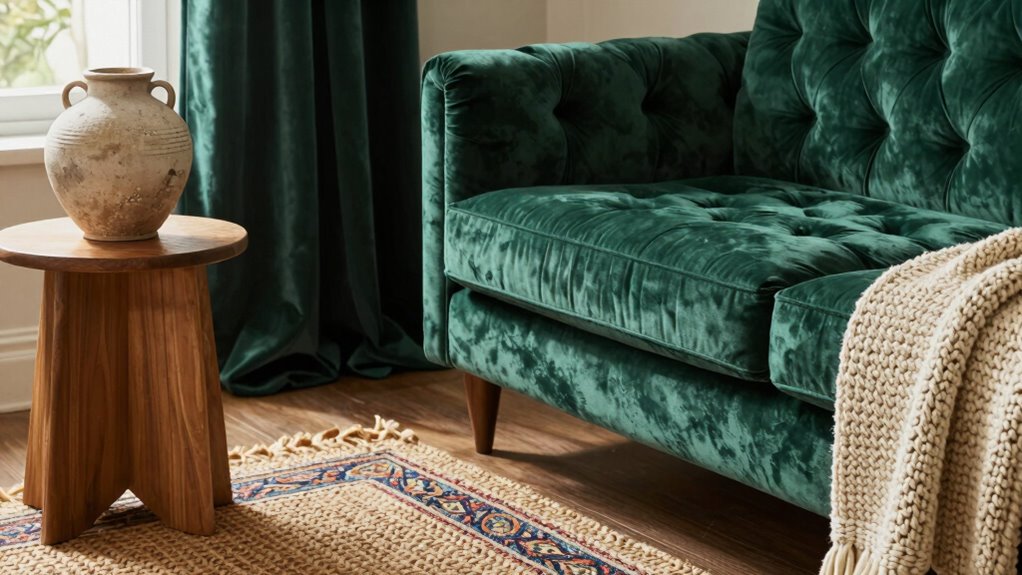

To add texture to a flat room, mix different lighting sources like table lamps, sconces, and floor lamps to create warmth and depth. Incorporate accent walls with textured finishes such as shiplap, brick, or wallpaper, and layer textiles like plush cushions, woven throws, and textured rugs for tactile interest. Use natural materials like wood or stone to ground the space. Keep exploring to discover more ways to make your room feel inviting and full of layered charm.

Get furniture and decor delivered free — and shop member deals
- Fast, free delivery on millions of items
- Access to Prime Big Deal Days deals on October 6–7
- Prime Video, Amazon Music and more included
Key Takeaways
- Incorporate layered lighting with table lamps, sconces, and floor lamps to create warmth and highlight textures.
- Use accent walls with textured finishes like shiplap, brick, or textured wallpaper for visual depth.
- Add plush cushions, woven throws, and textured rugs to introduce tactile variety and coziness.
- Integrate natural materials such as wood, rattan, or stone to ground the space with organic textures.
- Combine these elements thoughtfully to balance textures, creating a lively, inviting, and multi-dimensional environment.
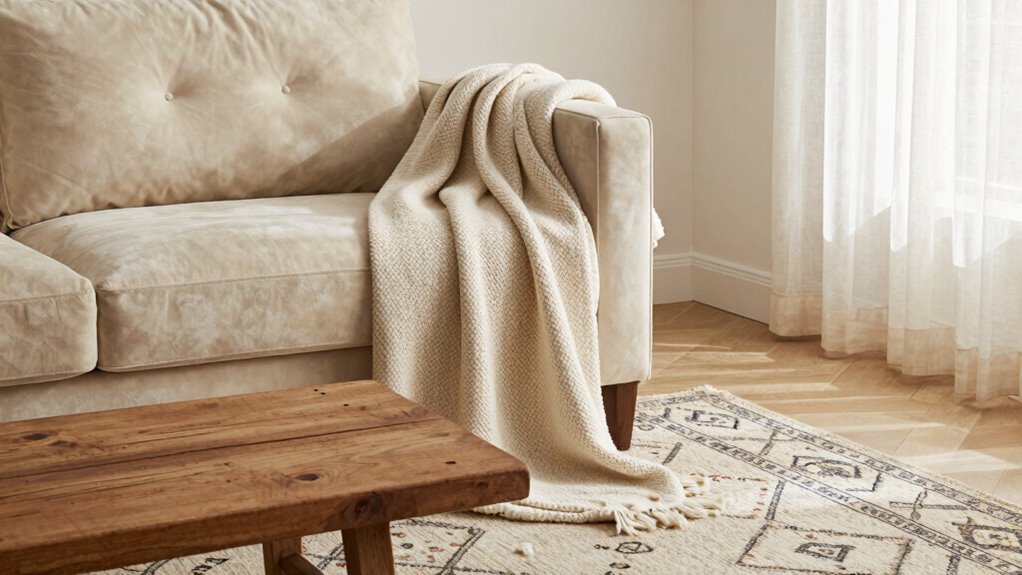
When a room feels flat and uninspiring, adding texture can instantly create visual interest and warmth. One effective way to achieve this is through layered lighting. Instead of relying on a single overhead fixture, combine different types of lighting sources—such as table lamps, wall sconces, and floor lamps—to add depth and dimension. Layered lighting not only illuminates the space more evenly but also highlights various textures within the room. For example, a warm table lamp can cast soft shadows that emphasize textured fabrics or wall finishes, while adjustable wall sconces can focus light on specific features, creating a cozy ambiance. This combination makes the room feel layered and inviting, rather than flat and one-dimensional. Incorporating layered lighting techniques can further enhance this effect by allowing you to customize the ambiance and highlight different textures as needed.
Layered lighting adds depth and warmth, highlighting textures for a cozy, inviting room.
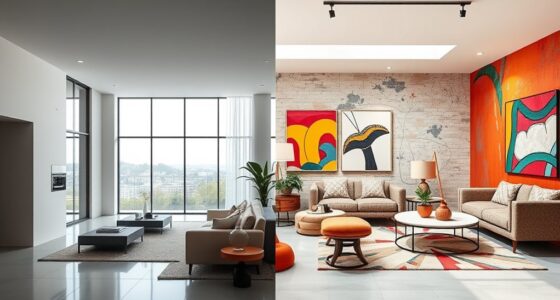
Another impactful approach is to incorporate an accent wall. Choosing a wall with a textured finish—such as shiplap, brick, or textured wallpaper—can dramatically change the room’s visual profile. An accent wall acts as a focal point, drawing the eye and adding a tactile dimension that contrasts with smoother surfaces elsewhere. When you select a textured material, you introduce variety without clutter, helping the space feel more dynamic. You can also enhance the effect with complementary decor, like hanging art or decorative mirrors, to further emphasize the wall’s texture. The key is to balance the accent wall with the rest of the room so it feels intentional rather than overwhelming, creating a sense of layered depth. Incorporating visual interest through textured surfaces is essential for avoiding a monotonous look. Additionally, choosing materials with different tactile qualities can make the space even more engaging to the senses. Exploring indigenous materials or traditional craftsmanship techniques can also enrich the texture and cultural depth of your space.
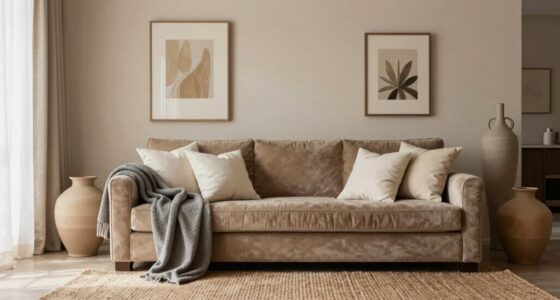
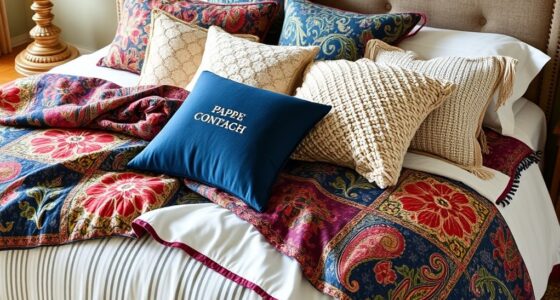
In addition to lighting and walls, consider the textures of your furnishings and textiles. Mix and match different fabrics—think plush cushions, woven throws, and textured rugs—to add tactile richness. These elements invite touch and make the space feel more layered and cozy. Combining various textures also prevents the room from feeling sterile or monotonous, giving it a curated, lived-in charm. To maximize this effect, consider varying the scale and pattern of your textiles for added depth and complexity.
Finally, don’t forget about natural materials. Incorporate wood, rattan, or stone accents to ground the space and add organic texture. These elements work beautifully with layered lighting and accent walls to produce a multi-dimensional environment that feels warm, inviting, and full of visual intrigue. When you thoughtfully combine lighting, accent walls, textiles, and natural materials, you transform a flat, uninspiring room into a lively, textured haven that invites you to stay and enjoy every detail.
textured wall panels for accent wall
As an affiliate, we earn on qualifying purchases.
As an affiliate, we earn on qualifying purchases.
Frequently Asked Questions
How Can I Incorporate Texture Without Cluttering the Space?
You can incorporate texture without cluttering by using subtle textural contrasts and thoughtful material layering. Opt for one or two statement pieces like a textured throw or a woven rug, instead of overcrowding the space. Mix smooth surfaces with tactile fabrics, such as velvet pillows or a rattan chair, to add depth. This approach keeps your room visually interesting while maintaining a clean, uncluttered feel.
What Are Budget-Friendly Options for Adding Texture?
You can add texture affordably with textiles like cozy throw blankets and patterned cushions, which instantly elevate your space. DIY wall treatments, such as painting with textured techniques or creating wall hangings from inexpensive materials, also work wonders. Studies show these budget-friendly options considerably boost visual interest. So, don’t overlook simple, creative solutions—you’ll be surprised how much warmth and depth you can create without overspending.
Which Textures Work Best in Small Rooms?
In small rooms, opt for textures that create visual contrast and tactile diversity without overwhelming the space. Use lightweight textiles like throw pillows, cozy rugs, and curtains with varied textures to add depth. Incorporate small wall accents or textured ceramics to enhance the tactile experience. These choices help balance the room, making it feel more dynamic and inviting through effective textural contrast without cluttering the space.
How Do I Balance Multiple Textures Without Overwhelming the Room?
You can create harmony by thoughtfully layering textiles and mixing materials, but beware of chaos. Start with a neutral base and add one or two bold textures to guide the eye. Balance plush rugs with sleek metals, or soft throws with rough wood. Always step back and evaluate—if it feels overwhelming, remove or simplify. The secret is to keep a cohesive flow, so your space feels inviting and dynamic, not cluttered.
Can Adding Texture Affect the Room’s Acoustics?
Adding texture can positively affect your room’s acoustics by improving sound absorption and reducing echo. When you incorporate textured elements like rugs, upholstered furniture, or fabric wall hangings, they help break up sound waves, preventing them from bouncing around excessively. This creates a warmer, more inviting atmosphere while enhancing sound quality. So, by thoughtfully adding textured pieces, you can achieve both visual interest and better echo reduction in your space.
Conclusion
Think of your room like a plain cake—adding texture is like frosting and sprinkles that make it irresistible. I once transformed my living room with cozy throws and textured rugs, and it’s now my favorite spot to unwind. Just like a well-decorated cake invites you to take a bite, a textured space invites you to relax and stay awhile. Small touches truly make a big difference, turning flat spaces into inviting havens.
Fall Picks
fall essentials
As an affiliate, we earn on qualifying purchases.