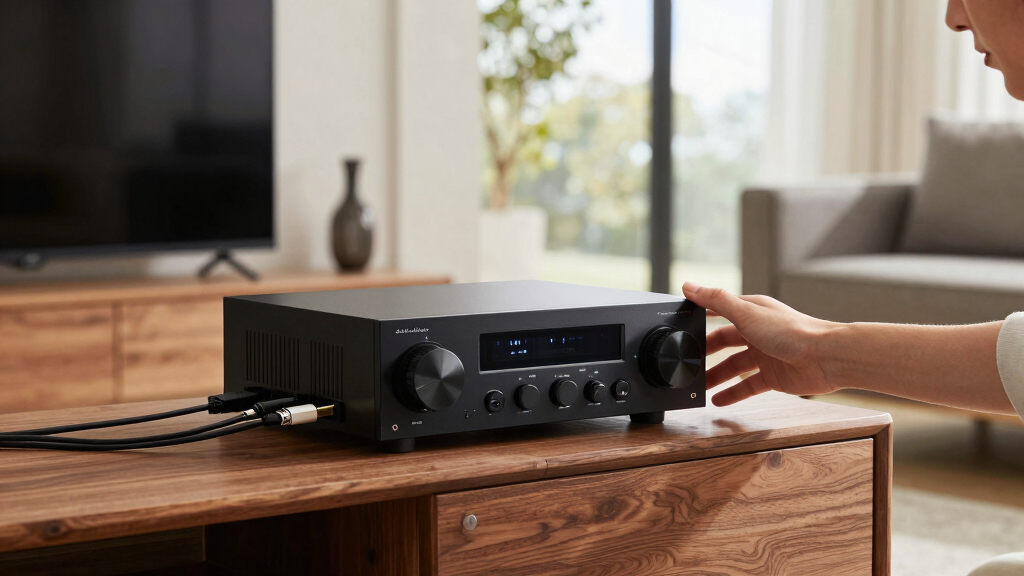

Finding the best network AV receiver in 2026 means balancing performance, connectivity, and user-friendly features. The Pioneer VSX-935 stands out for its immersive Dolby Atmos support, making it ideal for serious home theater enthusiasts. The Denon AVR-X1700H offers a strong mix of advanced 8K HDMI features and built-in voice control for those seeking modern convenience. However, buyers often face tradeoffs between power, compatibility, and price. Continue reading for a detailed breakdown of these top contenders to help you make an informed choice.
Key Takeaways
- The top-ranked models balance advanced video processing with robust audio features.
- Connectivity options like eARC, HDMI inputs, and multi-room streaming are a key differentiator.
- Power output and room calibration features vary widely, influencing suitability for different spaces.
- Premium picks tend to include more comprehensive room correction and future-proofing for 8K.
- Price often correlates with extra features, but the most expensive isn’t always the best fit for every buyer.


More Details on Our Top Picks
Pioneer VSX-935 7.2 Channel Surround Sound Network Receiver Dolby Atmos (2021)
The Pioneer VSX-935 stands out for its robust 7.2 channel setup and support for Dolby Atmos Height Virtualization, making it a strong choice for those seeking immersive sound without extra speakers. Compared with the Yamaha RX-V385, it offers more channels and better spatial effects, though it can be tricky to install due to its speaker wiring layout. Its HDMI 2.1 with 8K support caters well to gamers and future-proofing, but the automatic calibration can underperform, requiring manual adjustments for optimal sound. Its dual-zone output and RF remote add convenience for multi-room setups. This receiver suits users who want powerful, flexible audio with modern streaming features but are comfortable with some setup complexity.
Pros:- Supports Dolby Atmos Height Virtualization for immersive sound without extra speakers
- 8K HDMI 2.1 inputs for future-proofing gaming and video
- Dual-zone audio output for multi-room use
Cons:- Installation is somewhat complicated, especially speaker wiring
- Automatic room calibration may need manual tweaking for best results
Best for: Home theater enthusiasts who prioritize immersive audio and flexible multi-zone options.
Not ideal for: Buyers seeking a simple, straightforward setup or a compact receiver that fits into tight spaces.
- Channels:7.2
- HDMI Ports:8
- Supports Dolby Atmos:Yes
- HDMI Version:2.1
- Supports 8K:Yes
- Remote Control:RF
Bottom line: This receiver is best for users wanting a feature-rich, flexible home theater experience willing to handle some initial setup challenges.
YAMAHA RX-V385 5.1-Channel 4K Ultra HD AV Receiver with Bluetooth
The Yamaha RX-V385 offers a solid 5.1 channel configuration with support for 4K Ultra HD, HDR10, Dolby Vision, and Bluetooth, making it ideal for smaller spaces or budget-conscious buyers. Compared to the Denon AVR-X1700H, it has fewer channels and less advanced audio processing, but it excels in simplicity and ease of use. Its YPAO auto-calibration ensures decent sound tuning without fuss, though it lacks the extensive multi-zone features of higher-end models. The Bluetooth streaming and HDMI CEC support make it an accessible option for casual users or secondary setups. This receiver makes the most sense for those prioritizing straightforward 4K compatibility with minimal fuss, and who don’t need multi-room audio complexity.
Pros:- Affordable price point with solid 4K Ultra HD support
- Bluetooth for wireless streaming from mobile devices
- YPAO auto-calibration simplifies setup
Cons:- Limited to 5.1 channels, less immersive for larger setups
- No support for 8K or advanced room correction features
Best for: Small living rooms or bedrooms where simple setup and reliable 4K support are key.
Not ideal for: Audiophiles or multi-zone users who require advanced calibration and expansive connectivity options.
- Channels:5.1
- HDMI Inputs:4
- Supports 4K:Yes
- Supports HDR:HDR10, Dolby Vision
- Bluetooth:Yes
- Auto-calibration:YPAO
Bottom line: This is an excellent choice for budget-conscious buyers seeking reliable 4K streaming and easy setup in smaller spaces.
Onkyo TX-RZ50 9.2-Channel 8K/4K Network AV Receiver, 250W Per Channel at 6 Ohms + H&A Speaker Connector Banana Plugs
The Onkyo TX-RZ50 offers a 9.2 channel configuration with 8K/4K HDMI support and DIRAC Live Room Correction, making it ideal for audiophiles and dedicated home theaters. Compared with the Denon AVR-X1700H, it provides more channels and more powerful amplification, but at a higher cost and complexity. Its THX certification guarantees high-fidelity sound, and the included banana plugs simplify speaker connections, especially for high-end setups. The support for uncompressed HDMI 8K and versatile streaming options makes it highly future-proof. It’s best suited for users who want top-tier audio quality, sophisticated calibration, and large speaker arrays, but it may be overkill for casual or smaller setups.
Pros:- Supports 8K HDMI for future compatibility
- DIRAC Live Room Correction for precise sound tuning
- High power output at 250W per channel
Cons:- Higher price and complexity compared to simpler models
- Larger physical size may not fit in compact spaces
Best for: Audiophiles and home theater enthusiasts with large speaker systems seeking premium sound and 8K support.
Not ideal for: Casual users or those with limited space who don’t need extensive channels or high power.
- Channels:9.2
- HDMI Support:8K/4K
- Power:250W/Channel
- Room Correction:DIRAC Live
- THX Certified:Yes
- Included Accessories:Banana Plugs
Bottom line: This receiver is tailored for serious home theater fans who demand premium sound, extensive channels, and future-proof video support.
Onkyo TX-NR6100 7.2 Channel THX Certified Network AV Receiver – Black
The Onkyo TX-NR6100 offers a compelling blend of THX Certification, 8K HDMI with 40Gbps bandwidth, and Dolby Atmos/DTS:X support, suited for demanding home theater applications. Compared with the Yamaha RX-V385, it provides a much more powerful and immersive audio experience with THX certification, but it’s also larger and more complex to set up. Its discrete Zone 2 output adds flexibility for multi-room audio, and HDMI 2.1 ensures compatibility with the latest gaming consoles and 8K TVs. The THX certification guarantees high fidelity and loudness clarity, making it ideal for serious movie watchers and gamers. This model is perfect if you’re seeking professional-grade sound, high bandwidth video, and multi-room support, but it may be more than needed for casual use.
Pros:- THX Certified for high-fidelity, loudness, and clarity
- Supports 8K HDMI with 40Gbps bandwidth
- Discrete Zone 2 audio output
Cons:- Larger footprint and higher complexity
- Premium price point
Best for: Home theater enthusiasts needing THX-certified sound and 8K HDMI support with multi-room flexibility.
Not ideal for: Casual viewers or those with smaller spaces who don’t need THX or extensive HDMI bandwidth.
- Channels:7.2
- HDMI Bandwidth:40Gbps
- Supports 8K:Yes
- THX Certified:Yes
- Zone 2 Output:Discrete
- Power:210W/Channel
Bottom line: Ideal for users who want professional-grade audio with future-proof video capabilities and multi-room options.
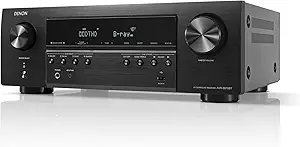
Denon AVR-X1700H 7.2 Channel AV Receiver – 80W/Channel, Advanced 8K HDMI Video w/eARC, Dolby Atmos, DTS:X, Built-in HEOS, Amazon Alexa Voice Control
The Denon AVR-X1700H excels for users who want a 7.2 channel receiver with versatile streaming options, including HEOS multi-room, and advanced 8K HDMI support. It offers a well-balanced mix of power, connectivity, and ease of control, making it suitable for multi-source setups and voice integration with Alexa. Compared to the Onkyo TX-NR6100, it’s slightly less powerful but easier to set up and more affordable. Its on-screen quick setup guide simplifies initial configuration, and support for Dolby Atmos and DTS:X ensures immersive sound. However, its 80W per channel is modest compared to higher-end models, which could limit loudness and headroom in large rooms. This receiver is a smart choice for those wanting flexible streaming, simple setup, and solid future-proof video support.
Pros:- Supports advanced 8K HDMI with eARC for high-quality audio and video
- Built-in HEOS for multi-room streaming
- Alexa voice control compatibility
Cons:- Limited to 80W per channel, less powerful for large spaces
- 7 channels, smaller than 9.2 configurations
Best for: Families or casual users who want multi-room streaming, easy setup, and reliable 8K video support.
Not ideal for: Audiophiles or large-room users needing maximum power and extensive channels for immersive audio.
- Channels:7.2
- Power:80W/Channel
- HDMI Support:8K/HDMI eARC
- Streaming:HEOS, Alexa
- Supports Dolby Atmos:Yes
- Supports DTS:X:Yes
Bottom line: This receiver is well-suited for users seeking multi-source streaming, simple setup, and future-proof 8K support in medium-sized rooms.
Onkyo TX-NR7100 9.2-Channel AV Receiver – 100 Watts Per Channel, Dirac Live Out of Box, Works with Sonos Certified, THX Certified and More
The Onkyo TX-NR7100 stands out for its combination of advanced room correction with Dirac Live and extensive connectivity options, making it ideal for users seeking a premium immersive experience. Unlike the Denon AVR-S570BT, which emphasizes straightforward 8K streaming and music playback, the TX-NR7100 is tailored for serious home theater enthusiasts who want Dolby Atmos, DTS:X, and THX certification for cinema-quality sound. The inclusion of 9 channels of processing and three HDMI-out options with uncompressed 8K/4K transfer at 40 Gbps makes it a future-proof choice. However, this receiver’s complexity and its limited PC audio integration mean it’s less suited for those primarily connecting to computers or gaming consoles. This pick is perfect for dedicated home theater setups that prioritize sound accuracy, multi-zone control, and compatibility with high-end audio formats.
Pros:- Includes Dirac Live room correction for precise sound tuning
- Supports Dolby Atmos, DTS:X, and THX certification for immersive audio
- Offers three HDMI-out ports with uncompressed 8K/4K transfer at 40 Gbps
- Works with Sonos certified, enabling multi-room system integration
Cons:- Limited Bluetooth streaming capabilities for PC audio (not ideal for computer connections)
- Complex setup process may be daunting for beginners
- Heavier and larger, requiring more space and installation effort
Best for: Home theater enthusiasts who want top-tier sound calibration, multi-zone capabilities, and future-ready HDMI features.
Not ideal for: Computer gamers or PC users who need seamless Bluetooth audio streaming from desktops, as it struggles with media playback from computers.
- Channels:9.2
- Power per channel:100 Watts
- HDMI ports:3 HDMI-out
- HDMI transfer bandwidth:40 Gbps
- Supported formats:Dolby Atmos, DTS:X, THX
- Room correction:Dirac Live
Bottom line: This receiver is best suited for dedicated home theater users who value high-end audio calibration and future-proof connectivity over simplicity.
Denon AVR-S570BT AV Receiver 5.2 Channel 8K Ultra HD Audio & Video, Stereo Receivers, Denon AVR Wireless Streaming Bluetooth, (4) 8K HDMI Inputs, eARC, HD Setup Assistant
The Denon AVR-S570BT makes a compelling case for users who prioritize straightforward 8K video support and multi-room music streaming. Compared with the Onkyo TX-NR7100, which emphasizes immersive sound formats and THX certification, the Denon excels in ease of use with its on-screen HD setup assistant and seamless wireless streaming from platforms like Spotify and TIDAL. Its four HDMI 2.1 inputs support 8K resolution and HDR formats, making it suitable for modern gaming consoles and streaming devices. However, its power output of 70W per channel is modest relative to the Onkyo’s 100W, limiting some larger or more demanding setups. This receiver is ideal for casual movie watchers and music lovers who want a reliable, easy-to-operate system without sacrificing 8K capabilities or streaming convenience.
Pros:- Supports 8K Ultra HD with four HDMI 2.1 inputs
- Built-in Bluetooth for wireless music streaming
- Easy on-screen HD setup assistant simplifies installation
- Supports HDR, Dolby Vision, and HDR10+ for vivid picture quality
Cons:- Lower power output at 70W per channel may be insufficient for large rooms
- Limited surround sound processing capabilities compared to higher-end models
- No support for Dolby Atmos or DTS:X for immersive audio
Best for: Casual home theater users and music streamers seeking ease of setup, decent power, and multi-room wireless streaming.
Not ideal for: Audiophiles or users seeking immersive surround sound with Dolby Atmos or DTS:X, as it lacks the processing capacity for high-end formats.
- Channels:5.2
- Power per channel:70 Watts
- HDMI inputs:4 HDMI 2.1
- Video resolution support:8K Ultra HD
- Supported audio formats:DTS HD Master, Dolby TrueHD
- Setup assistant:HD on-screen guide
Bottom line: This receiver offers excellent value for users who want straightforward 8K video and wireless streaming in a simple, easy-to-use package.
How We Picked
These products were selected based on a combination of performance, usability, build quality, and value. Priority was given to models that support the latest HDMI standards, including 8K and eARC, as well as advanced room calibration and multi-room capabilities. We considered user interface simplicity and setup ease, especially for less experienced users. The ranking reflects a balance between feature set, price, and long-term versatility, aiming to match different buyer needs—from audiophiles to casual viewers.Factors to Consider When Choosing Best Network AV Receiver
Choosing the right network AV receiver involves understanding several key factors that impact your home theater experience. Beyond just specs, it’s about how well the receiver integrates with your existing equipment, future-proofing your setup, and providing ease of use. Being aware of these considerations helps prevent costly mistakes and ensures you pick a model that truly matches your needs.Connectivity and Compatibility
Look for HDMI inputs that support the latest standards, such as 8K and eARC, to ensure your setup remains relevant. Additionally, check for Bluetooth, Wi-Fi, and multi-room streaming options like HEOS or MusicCast, which expand your listening choices. Compatibility with voice assistants like Alexa or Google Assistant can also streamline control, especially for smart home integration. Avoid models with limited port options or outdated standards that could restrict future upgrades.
Power and Room Calibration
Power output determines how well your system can fill larger rooms with sound, but more power isn’t always necessary for small spaces. Features like automatic room calibration (e.g., Dirac Live or Audyssey) help optimize sound quality based on your room’s acoustics. Be cautious of models that claim high wattage but lack proper calibration or that are underpowered for your space, which may result in weak or unbalanced audio.
Video Processing and Future-Proofing
Support for 8K video, HDMI 2.1, and VRR (Variable Refresh Rate) signals are increasingly important for future compatibility. These features ensure that your receiver can handle new consoles, gaming systems, and high-resolution sources without issues. Skipping these can lead to additional upgrades sooner than expected, so consider your current and anticipated device ecosystem when selecting a model.
Ease of Use and Setup
Intuitive interfaces, clear menus, and on-screen setup guides make a significant difference, especially for first-time buyers. Some models come with smartphone apps that simplify configuration and control, which can save time and frustration. Be wary of receivers with overly complex menus or limited documentation, as this can hinder setup and daily use.
Build Quality and Longevity
Durability matters when investing in a high-end receiver. Look for models with solid metal chassis, quality connectors, and good heat management. Cheaper units may have flimsy components that wear out quickly or generate excessive heat, reducing long-term reliability. A well-built receiver provides consistent performance and peace of mind over years of use.
Frequently Asked Questions
Do I need an 8K-compatible AV receiver if I don’t have an 8K TV?
While you don’t need an 8K-compatible receiver for a 4K TV, choosing one now can help future-proof your setup as 8K content and displays become more common. Many 8K receivers also support HDMI 2.1 features like VRR and ALLM, which improve gaming and video experience on current displays. If you plan to upgrade your TV or sources soon, an 8K model makes sense, but if not, a 4K-optimized receiver may be more cost-effective.
Is multi-room audio a necessary feature for my home theater?
Multi-room audio capabilities add convenience if you want to listen to different sources in multiple zones throughout your home. If your setup is dedicated to a single room, this feature might be less critical, allowing you to prioritize other aspects like power or video compatibility. However, for integrated home systems, multi-room support can significantly enhance your overall experience and flexibility.
Should I prioritize power output over advanced features?
Power output is important for filling large rooms with sound, but it’s only part of the equation. Advanced features such as room calibration, HDMI standards, and streaming capabilities often have a greater impact on overall quality and usability. For smaller spaces, a lower-powered but feature-rich receiver can outperform a high-wattage model that lacks calibration or support for recent standards.
How much should I expect to spend for a good network AV receiver?
Expect to spend between $500 and $1,500 for a reliable, feature-rich network AV receiver. Entry-level models are suitable for basic setups but may lack the latest HDMI standards or multi-room features. Mid-range options typically include support for 8K, Dolby Atmos, and better room calibration, while premium models push beyond $1,000 with enhanced build quality and future-proofing features. Your choice depends on your specific needs and future plans.
Can I upgrade my existing system with a new network AV receiver easily?
Replacing your current receiver with a new model is generally straightforward, especially if your setup uses common connections like HDMI and speaker wires. However, compatibility with your existing speakers, streaming services, and smart home devices should be checked beforehand. Newer models with more advanced features might require some reconfiguration, but most modern receivers include detailed setup guides to facilitate the transition.
Conclusion
For most users, the Pioneer VSX-935 offers a compelling mix of immersive sound and modern connectivity, making it an excellent choice for home theater enthusiasts seeking an all-around performer. The Denon AVR-X1700H strikes a balance between advanced features and user-friendliness, ideal for those wanting future-proofing without complexity. Budget-conscious buyers should consider the YAMAHA RX-V385 for simplicity and value. For premium setups, models like the Onkyo TX-NR7100 provide extensive power and calibration, perfect for large rooms or audiophiles. Your ideal pick depends on your room size, device ecosystem, and budget, but these options cover a broad spectrum of needs and priorities.