
TL;DR
A Dallas homeowner has renovated a house without using drywall, opting instead for sustainable materials like MgO board and sheep’s wool insulation. The project emphasizes eco-conscious construction with unique design choices. Details about the full scope and future plans remain emerging.
A Dallas home has been renovated entirely without drywall, using alternative sustainable materials such as MgO board and sheep’s wool insulation. This project, led by architect Scott Parks, highlights innovative eco-friendly building practices in a residential setting, emphasizing craftsmanship over aesthetics.
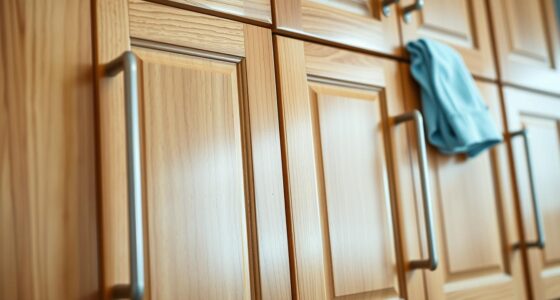
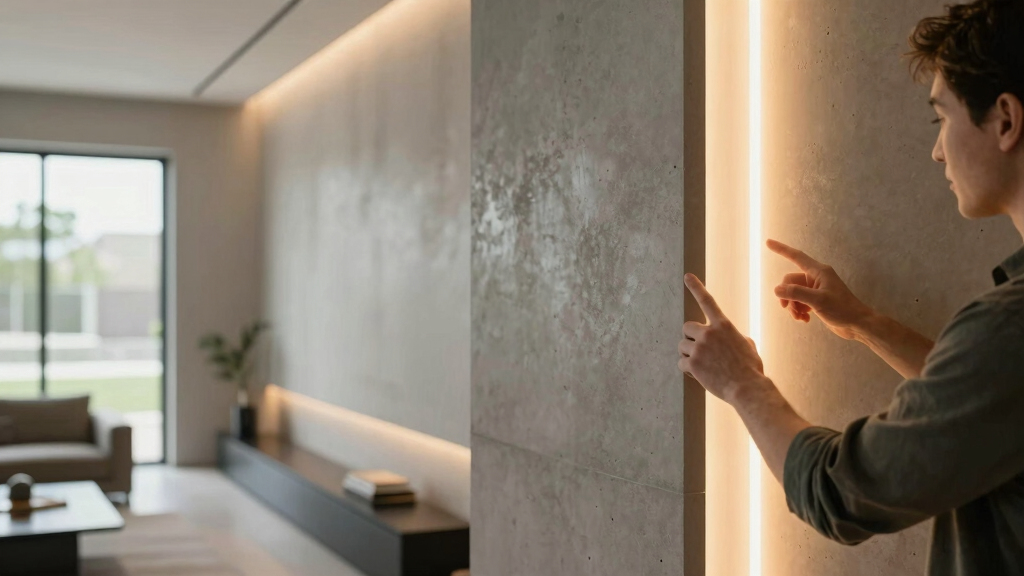
The house, located in Dallas’s Belmont Addition Conservation District, was transformed with a focus on sustainability and craftsmanship. Instead of drywall, walls are constructed with MgO board finished in textured lime plaster, while insulation is sheep’s wool, a renewable and breathable material. The renovation also features salvaged pine cabinetry, reprocessed demolition waste, and handmade details like a cloudscape mosaic backsplash and porthole windows.
Architect Scott Parks collaborated with Eco Build Lab and regenerative design consultants to ensure each decision aligned with environmental goals. The homeowner, Clint Murchison, aimed to create a home that feels human and textured, avoiding overt sustainability branding. The exterior features a salvaged stone path and a cedar fence from East Texas, reflecting a commitment to eco-conscious sourcing. The interior includes vintage and secondhand pieces, with artwork from Murchison’s family collection, emphasizing personal history and craftsmanship.
Innovative Use of Sustainable Building Materials
This project demonstrates that eco-conscious building can be both functional and aesthetically compelling without relying on traditional drywall. It highlights a shift toward sustainable materials like MgO board and sheep’s wool insulation, which have lower environmental impacts and promote healthier indoor environments. The home serves as a model for environmentally mindful residential design that values craftsmanship and texture over branding or aesthetic trends.
MgO board for walls
As an affiliate, we earn on qualifying purchases.
As an affiliate, we earn on qualifying purchases.
Dallas’s Eco-Friendly Home Renovation Trends
While sustainable building practices are increasingly common, most renovations still rely on conventional drywall and standard insulation. This project stands out for its deliberate avoidance of drywall, inspired partly by the homeowner’s interest in off-grid living and regenerative design. The renovation aligns with broader trends toward eco-conscious construction, but its emphasis on craftsmanship and personal history makes it unique in Dallas’s residential landscape.
“The house exemplifies how sustainable materials can be integrated into residential design without sacrificing style or comfort.”
— an anonymous researcher
sheep’s wool insulation
As an affiliate, we earn on qualifying purchases.
As an affiliate, we earn on qualifying purchases.
Remaining Questions About Long-Term Durability
It is not yet clear how the non-traditional materials like MgO board and sheep’s wool insulation will perform over the long term in Dallas’s climate. Details about maintenance, durability, and potential issues are still emerging, and the project’s replicability remains to be tested in other contexts.
textured lime plaster wall finish
As an affiliate, we earn on qualifying purchases.
As an affiliate, we earn on qualifying purchases.
Future Plans for Replication and Broader Adoption
The project team plans to monitor the home’s performance over the coming years and may publish findings on durability and maintenance. There is also interest in sharing the approach with other builders and homeowners interested in sustainable, craftsmanship-focused design, potentially influencing future residential renovations in Dallas and beyond.

Construction Materials, Methods, and Techniques: Building for a Sustainable Future
As an affiliate, we earn on qualifying purchases.
As an affiliate, we earn on qualifying purchases.
Key Questions
Why did the homeowner choose to avoid drywall?
The homeowner and architect aimed to prioritize sustainability, craftsmanship, and a textured aesthetic, moving away from conventional drywall to more eco-friendly and artisanal materials.
Are the materials used in the renovation commercially available?
Yes, materials like MgO board, sheep’s wool insulation, salvaged pine, and handmade mosaics are available through specialized suppliers, though some may require sourcing from eco-focused vendors.
Will this approach be cost-effective for other homeowners?
Costs may vary; while some materials like salvaged wood and handmade tiles can be cost-effective, others like MgO board and custom details might increase overall expenses. Long-term savings could accrue through energy efficiency and durability.
What are the main benefits of this construction approach?
Benefits include lower environmental impact, healthier indoor air quality, unique aesthetic appeal, and a model for sustainable craftsmanship in residential design.
Is this type of renovation suitable for all climates?
While the materials are generally adaptable, performance over time depends on local climate conditions, and further research is needed to confirm long-term durability in different environments.
Source: Domino