
TL;DR

Get furniture and decor delivered free with Prime
- Fast, free delivery on millions of items
- Prime Video, Amazon Music and more included
- Member-only deals all year
House Beautiful has published a six-point apartment-viewing checklist aimed at helping renters spot potential problems before signing a lease. The checks cover outlets, floor level, overhead lighting, window direction, door and window operation, and signs of water damage; the report does not establish that these issues are common or affect a particular rental market.
House Beautiful has published six checks for renters to make during an apartment tour before signing a lease, focusing on features that can be easy to miss in a staged or daytime viewing. The checklist covers electrical outlets, floors, lighting, windows, doors and paint, with the aim of helping prospective tenants flag maintenance and usability concerns before move-in.
The report describes the period after the summer moving rush as a time when renters may notice drawbacks they missed during their initial tour, calling it “renter’s regret” season. That phrase is the article author’s description, not a formal housing-market measure. The checklist advises looking beyond the main living areas and checking details that may affect daily routines or prompt follow-up questions for a landlord or leasing agent.
For electrical access, the report recommends counting outlets in each room and checking whether they are near likely furniture and work areas. It also suggests checking whether floors appear level, using a level tool or a marble as a basic visual test. The article presents these as practical screening steps, not as a professional inspection or a definitive assessment of a building’s condition.
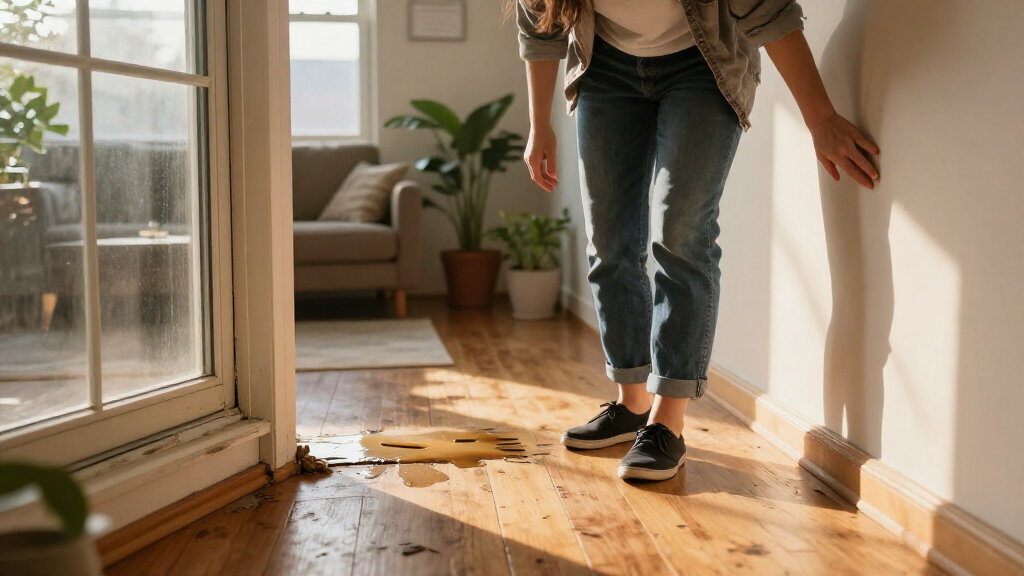
The remaining checks are to confirm that overhead lights and switches work, consider which direction windows face, and open, close and lock doors and windows. The report also advises looking for bubbling, cracked or peeling paint, particularly around ceilings, vents, windows and upper corners, which it says can be signs of past or unresolved water issues. Renters can document visible concerns and ask whether repairs will be made before move-in.
Catch Lease Concerns Before Signing
A lease can commit a renter to a home before they have experienced its day-to-day limitations. Checking outlet placement, lighting and door operation may reveal practical problems that affect furniture placement, working from home, privacy or comfort. Looking for visible paint damage can also prompt questions about maintenance history before a tenant takes possession.
The checklist is a starting point rather than a guarantee that a unit is safe or free of defects. A marble rolling across a floor, for example, does not establish why a floor is uneven or whether the condition is serious. Likewise, bubbling paint can have multiple causes. The useful next step is to record what was observed, ask the landlord or agent for an explanation, and get any promised repairs and timing in writing where possible.
For renters comparing units, applying the same checks at each viewing can make differences easier to track. That may help them weigh a unit’s condition alongside rent, location and lease terms, rather than relying on a quick impression during a tour.
As an affiliate, we earn on qualifying purchases.
A Checklist for Apartment Tours
The House Beautiful report frames its advice around a familiar timing problem: prospective renters often view an apartment while it is bright, furnished or being presented by a leasing agent, then notice inconveniences after moving in. Its author says to look up during a tour because ceilings and upper corners may show visible damage that is not obvious when attention is focused on the room itself.
The source is a consumer-advice article, not a housing survey, building inspection or report on current rental conditions. It offers six observations renters can make during a viewing and examples from the author’s own experiences, including a bedroom door that would not stay shut and an apartment without overhead lighting in two rooms. Those anecdotes explain the checklist but do not establish how often such problems occur.
““The main thing is to always look up during your apartment viewing.””
— House Beautiful report
What a Viewing Cannot Confirm
The supplied report does not give a publication date, identify a specific rental market or provide data showing how frequently these issues occur. It also does not establish whether any particular apartment has unsafe wiring, structural damage, a leak or a code violation. Visible signs such as uneven floors or damaged paint can warrant questions, but a tour alone may not reveal their cause or severity.
Window direction can indicate likely daylight exposure, but the report does not quantify how much it will change a renter’s utility costs; that depends on factors such as climate, insulation, shading and energy rates. Prospective tenants should also confirm which repairs the landlord is responsible for and whether any agreement about work before move-in is recorded in the lease or another written document.
Questions to Raise Before Move-In
Renters can take the checklist to an apartment tour, test switches and latches with permission, and note or photograph visible concerns. They can then ask the landlord or leasing agent about repairs, water-damage history, lighting and any limitations on electrical use. If a repair is promised, request a clear description and deadline in writing before signing or taking possession.
The House Beautiful report does not announce a follow-up, policy change or formal inspection process. The next steps depend on each renter’s findings and the landlord’s response. If an issue appears serious or its cause is uncertain, a qualified inspector or appropriate professional may be needed to assess it.
Key Questions
What six things does the apartment checklist recommend checking?
House Beautiful recommends checking outlet number and placement, floor level, overhead lighting, window direction, door and window operation, and signs of bubbling or cracked paint.
Does bubbling paint prove that an apartment has a leak?
No. The report describes bubbling, cracked or peeling paint as a possible sign of water damage or an earlier water problem, but it does not establish the cause. Ask the landlord about the condition and any repair history.
How can renters check whether doors and windows work?
With permission, open and close them, test latches and locks, and note any that stick or fail to stay shut. The report recommends documenting faulty hardware and asking whether repairs will be completed before move-in.
Can the checklist replace a professional inspection?
No. It offers basic observations for an apartment tour, not a technical assessment of wiring, structure, water damage or code compliance. Seek qualified advice if a problem appears serious or its cause is unclear.
Source: rss
Halloween Picks
halloween
As an affiliate, we earn on qualifying purchases.