
TL;DR
Tiffany Howell of Night Palm Interiors designed a dream-kitchen installation for Miele at Art Basel, treating the room as a sensory, lived-in space rather than a purely functional one. The design combines dark floral cabinetry, conservatory-inspired details and integrated Miele appliances; the available account does not specify the installation’s exact location, dates or whether it will be shown again.
Tiffany Howell, founder of Night Palm Interiors, designed a dream-kitchen installation for Miele at Art Basel, using dark cabinetry, floral imagery and integrated appliances to present the kitchen as a sensory living space as well as a place to cook. The project brings Howell’s theatrical approach to interiors into a room where the design also has to accommodate everyday tasks.

Get furniture and decor delivered free with Prime
- Fast, free delivery on millions of items
- Prime Video, Amazon Music and more included
- Member-only deals all year
Howell said she approached the commission as a chance to move beyond the idea of a kitchen as a strictly utilitarian room. She described planning the space around imagined dinner-party guests and aiming for what she called “an elevated sexiness” and a beautiful sensory experience. The design draws on film, fashion and music alongside decorative art, with the stated aim of making the room something to experience, not only look at.
The kitchen features black cabinetry decorated with branches and birds in iridescent green and pink. Howell said the motifs reference her interest in 1920s chinoiserie furniture and fashion, interpreted through a Los Angeles lens. The surrounding conservatory-style setting uses diffused natural light, and the design concept also evokes jasmine, jazz and ambient synth-pop. These are described as parts of the intended atmosphere; the account does not establish which scents or music were present during public viewing.
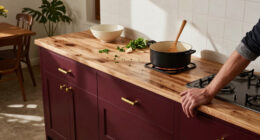
Miele appliances are integrated into the dark interior. The installation includes a 36-inch Full Surface Induction Cooktop, a 30-inch Handleless Combi-Steam Oven XXL, a 42-inch French Door Refrigerator, a built-in coffee system and a wine cooler. The cooktop’s glass surface is designed to function as one cooking area for up to six pots or pans, while the oven uses Miele’s DualSteam technology. A dark, paneled refrigerator front echoes the cabinetry, and the coffee system and wine cooler use matching dark finishes.
Could Your Kitchen Bloom? A sensory room by Tiffany Howell and Miele
Tiffany Howell of Night Palm Interiors designed a Miele kitchen installation for Art Basel. It treats the kitchen as a place for everyday tasks, conversation and atmosphere.
A kitchen shaped by atmosphere
Howell brings theatrical design into a room that still needs to work for cooking and daily routines.
Dark floral cabinetry
Black cabinets carry iridescent branches and birds, inspired by 1920s chinoiserie through a Los Angeles lens.
A conservatory mood
Diffused natural light and conservatory-style details frame the room as a space to experience.
Appliances in the composition
Dark-finished Miele appliances are integrated into the interior rather than made its visual focus.
What the installation includes
The project pairs decorative choices with specified appliances and practical features.
A 36-inch Full Surface Induction Cooktop is designed as one cooking area for up to six pots or pans.
A 30-inch Handleless Combi-Steam Oven XXL features Miele DualSteam technology.
The installation also includes a 42-inch French Door Refrigerator, a built-in coffee system and a wine cooler.
The design idea
Howell frames the kitchen as a lived-in room where practical equipment can sit alongside personal rituals and decorative character.
- Appliances support cooking, coffee and wine storage.
- The cooktop accommodates up to six pots or pans.
- Floral motifs, diffused light and conservatory details shape the setting.
- Jasmine, jazz and ambient synth-pop are described as atmosphere, not confirmed public-viewing conditions.
What remains unclear
The account identifies the Art Basel commission but leaves key visitor details open.
- The fair year, exact location and viewing dates are not specified.
- Public access and any future showing are unconfirmed.
- No residential version, complete room pricing or installation package is described.
Making the Kitchen a Living Space
The installation puts a design question at the center of the kitchen: can a room built around cooking also support rest, conversation and personal routines? Howell’s answer is to treat light, sound, surface and scent as part of the design, while keeping appliances available without making them the dominant visual feature.
That approach speaks to a broader tension in high-end kitchen design between visible technology and a home’s decorative character. In this project, the appliances are presented as integrated elements rather than interruptions in the room’s composition. Howell called them “the jewelry of the room,” framing their presence as compatible with the more traditional and ornamental details.
The work is an installation, not evidence of a new kitchen product or a documented change to Miele’s appliance range. Its relevance is in how the designer and appliance company stage the relationship between domestic technology and atmosphere. The design shows one interpretation of a kitchen that is meant to serve practical needs without being limited to them.
Products Worth Considering

Philips Hue Bridge Pro Smart Lighting Hub

Google Nest Smart Thermostat, Snow

Google Nest Learning Thermostat (4th Gen) with Nest Temperature Sensor (2nd Gen), Obsidian
As an affiliate, we earn on qualifying purchases.
A Miele Commission at Art Basel
The project was commissioned by Miele for an installation at Art Basel, an art fair setting that gave Howell a platform to treat a domestic room as a designed environment. The account describes the commission and the finished design concept but does not identify the fair edition, venue within the fair, opening dates or whether visitors could enter the kitchen.
Howell’s design method, which she calls “the poetry of place,” draws on references outside conventional interior decoration. In her account, music, film and fashion inform how a space feels and functions. Here, that method appears in the combination of chinoiserie-inspired cabinetry, a vintage Fortuny pendant over the island and upholstered conservatory chairs with detailing reminiscent of antique lingerie.
The appliances’ specifications and features are described as part of the installation. The cooktop has a frameless, flush design, Intelligent Pan Recognition and SmartSelect White controls; the oven has a black glass façade and Wi-Fi connectivity is described among the controls and features. These product details are attributed to the project description and are distinct from Howell’s aesthetic aims.
““I wanted an elevated sexiness, a beautiful, sensory experience.””
— Tiffany Howell, founder of Night Palm Interiors
Installation Dates and Access
The available account does not state which year’s Art Basel hosted the installation, its precise location, how long it was on view or whether it was open to fair visitors. It also does not say whether the kitchen was built as a temporary set or could later be installed in a private residence.
Several sensory elements are presented as design intentions rather than independently documented conditions. The account refers to jasmine, a fireplace sound and music, but does not clarify whether those elements were physically incorporated into the installation or used to describe its intended mood. No visitor responses, project budget or information about the work’s later use is provided.
No Further Showing Announced
No further exhibition dates, public access plans or follow-up projects are specified. The confirmed development is the Miele commission for Art Basel; whether the installation will be displayed again or adapted for a residential project remains unknown.
For readers interested in the practical features, the project description identifies the Miele appliances used, but does not provide a complete installation specification, pricing or purchase information tied to the room as a whole. Any future update would need to clarify the display’s schedule and whether its design or components will be available beyond the installation.
Key Questions
Who designed the Miele kitchen installation?
Tiffany Howell, founder of Night Palm Interiors, designed the kitchen for a Miele installation at Art Basel.
What does the kitchen look like?
The design includes black cabinetry with iridescent branches and birds, a conservatory-style setting, a vintage Fortuny pendant and dark-finished appliances integrated into the room.
Which Miele appliances are featured?
The installation includes a 36-inch Full Surface Induction Cooktop, a 30-inch Handleless Combi-Steam Oven XXL, a 42-inch French Door Refrigerator, a built-in coffee system and a wine cooler.
When and where can visitors see the installation?
The project is described as an Art Basel installation, but its fair year, exact location, viewing dates and public access arrangements are not specified.
Will the kitchen be available as a residential design?
No information is given about whether the installation will be recreated for a home, offered as a complete design package or shown again.
Source: veranda.com