
If you’re looking for affordable and stylish flooring options, vinyl, laminate, and painted floors are great choices. Vinyl is versatile, durable, and easy to install, often with eco-friendly options. Laminate offers a realistic look at a lower cost and is simple to put down with locking planks. Painted floors are a budget-friendly, customizable solution that can transform plain surfaces. Keep exploring to find out how you can make these solutions work best for your space.

Get furniture and decor delivered free with Prime
- Fast, free delivery on millions of items
- Prime Video, Amazon Music and more included
- Member-only deals all year
Key Takeaways
- Vinyl flooring offers affordability, versatility, and DIY options, making it a budget-friendly choice for various spaces.
- Laminate provides a cost-effective alternative that mimics hardwood or stone with easy installation and environmentally friendly features.
- Painted floors are an inexpensive, customizable solution that can transform surfaces with durable, eco-friendly paints.
- Both vinyl and laminate flooring utilize recycled materials, supporting sustainable and eco-conscious building choices.
- Proper surface preparation and selection of eco-friendly adhesives or paints enhance durability and long-term cost savings.

Choosing the right flooring doesn’t have to break the bank. If you’re looking for affordable options that still look great and stand up to daily wear, vinyl, laminate, and painted floors are excellent choices. These solutions not only save you money upfront but also offer flexibility in installation and maintenance. When considering your options, it’s helpful to think about sustainable materials and installation techniques that can make your flooring even more budget-friendly and environmentally conscious.
Vinyl flooring is a popular pick because it’s versatile, durable, and easy to install. Modern vinyl comes in sheets, tiles, or planks, providing numerous design options at a fraction of the cost of traditional materials. Plus, many vinyl products incorporate sustainable materials, such as recycled content, making them a greener choice. Installing vinyl can be straightforward, especially if you opt for peel-and-stick tiles or click-lock planks, which don’t require adhesives or special tools. This DIY-friendly approach reduces labor costs and allows you to complete the project on your schedule. When installing vinyl, paying attention to proper surface preparation and using suitable installation techniques ensures a smooth, long-lasting finish. You might also consider using eco-friendly adhesives or underlayments that contribute to a more sustainable setup. Moreover, selecting cost-effective materials can further optimize your budget and environmental impact.
Vinyl flooring offers versatile, durable, and eco-friendly options with easy DIY installation.
Laminate flooring offers another budget-conscious option that mimics the look of hardwood or stone without the hefty price tag. Laminate is made from fiberboard with a photographic layer that replicates natural textures, giving your space a stylish appearance without the expense. Many laminate options are manufactured using sustainable materials, such as fiberboard with recycled wood fibers, which reduces environmental impact. Installing laminate is quick and often involves locking planks together, eliminating the need for adhesives. This method not only saves money but also simplifies future replacements or repairs. When choosing laminate, look for products that specify eco-friendly manufacturing processes and follow recommended installation techniques to avoid gaps, warping, or damage over time.
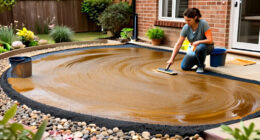
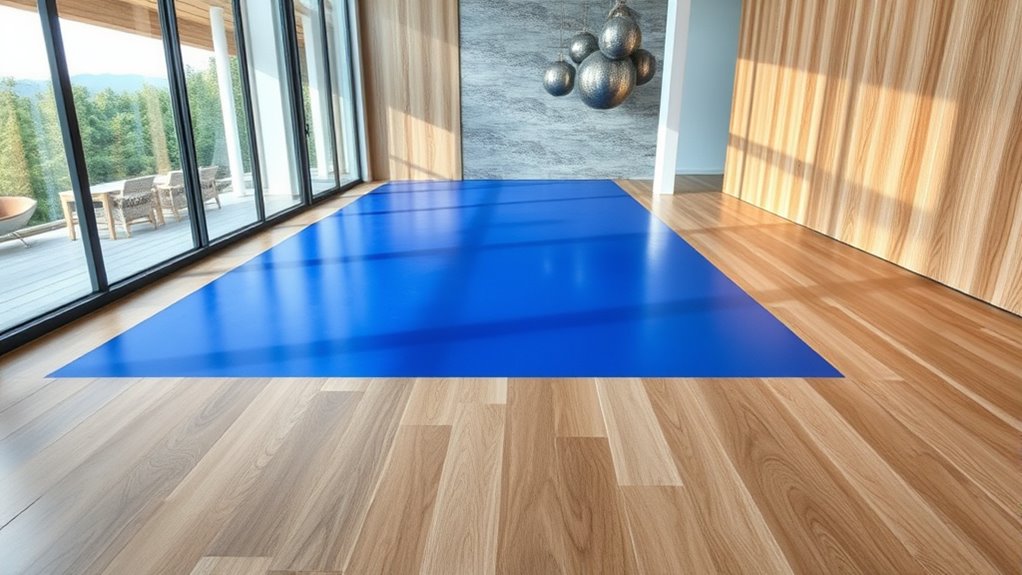
If you’re feeling creative and want a truly personalized look, painted floors can be a fantastic low-cost solution. This approach allows you to transform a plain surface into a colorful or patterned statement piece. To ensure durability, it’s essential to use high-quality, floor-specific paints and proper surface preparation. The key to success with painted floors is applying the right installation techniques: cleaning the surface thoroughly, sanding to improve adhesion, and applying multiple coats with sufficient drying time. Using eco-friendly paints can also contribute to a more sustainable project, reducing harmful emissions and waste. With patience and attention to detail, painted floors can become a striking feature that doesn’t strain your budget.
vinyl plank flooring peel and stick
As an affiliate, we earn on qualifying purchases.
As an affiliate, we earn on qualifying purchases.
Frequently Asked Questions
How Long Do Vinyl and Laminate Floors Typically Last?
Vinyl floors usually last 10 to 20 years, while laminate floors generally have a floor lifespan of 10 to 30 years. In a durability comparison, laminate tends to be more resistant to scratches and dents, making it suitable for high-traffic areas. Vinyl is more water-resistant but may show wear faster over time. Your choice depends on your needs, but both offer cost-effective options with decent durability.
Are Painted Floors Durable Enough for High-Traffic Areas?
Painted floors can be durable enough for high-traffic areas if you use high-quality paint and proper sealing. Their durability depends on the type of paint, application technique, and ongoing maintenance. For better traffic resistance, opt for paints designed specifically for floors, and consider adding a protective topcoat. Regular cleaning and touch-ups help maintain their appearance and durability, making painted floors a viable, cost-effective option for busy spaces.
What Maintenance Is Required for Each Flooring Type?
Did you know that regular cleaning routines can extend the lifespan of your floors by up to 30%? For vinyl, sweep and mop with gentle cleaners weekly, and repair scratches with vinyl filler. Laminate floors need dry dusting and occasional damp mopping; use repair techniques for chips promptly. Painted floors require gentle sweeping and spot cleaning; touch up paint as needed to maintain their appearance and durability.
Can These Flooring Options Be Installed Over Existing Floors?
Yes, you can install vinyl, laminate, and painted floors over existing ones, but proper floor preparation is essential. You’ll need to clean, level, and sometimes sand the surface to guarantee good adhesion. Be aware of adhesive requirements; some flooring options need specific adhesives or double-sided tape. Always check manufacturer instructions to avoid issues like bubbling or uneven surfaces, ensuring a smooth, durable finish.
Are There Eco-Friendly or Low-Voc Options Available?
Yes, eco-friendly options and low VOC materials are available for your flooring needs. You can choose vinyl, laminate, or painted floors made with sustainable practices, ensuring fewer emissions and healthier indoor air quality. Look for products labeled as low VOC or eco-friendly, which use safer adhesives and finishes. These options help protect the environment and your health while providing stylish, affordable flooring solutions that fit your budget.
Conclusion
Looking for affordable flooring options that don’t compromise on style? Vinyl, laminate, and painted floors each offer unique benefits to suit your budget and aesthetic. With a little research, you can find the perfect solution to transform your space without overspending. Why settle for costly upgrades when these budget-friendly options can give you the look you want? Start exploring today and enjoy a beautiful, cost-effective floor that fits your lifestyle!
Columbus Day / Indigenous Peoples' Day Picks
long weekend sales
As an affiliate, we earn on qualifying purchases.