Colors subtly and automatically influence your emotions and moods through subconscious associations, cultural meanings, and context. Bright hues like yellow can energize and lift your spirits, while deep blue creates calm and tranquility. Your personal experiences and cultural background can also shape how you react to different colors. Knowing how colors affect your feelings allows you to make intentional choices in your environment and wardrobe. Discovering more about this fascinating connection can help you enhance your emotional well-being.
Key Takeaways
- Colors automatically and subtly influence emotions, with bright hues energizing and cool tones promoting calmness.
- Cultural and personal experiences can modify how individuals perceive and react to different colors.
- The context and environment where colors are used significantly affect their emotional impact.
- Wearing or decorating with specific colors can reinforce positive moods or help manage emotions.
- Understanding color-emotion links enables intentional choices to boost well-being and emotional regulation.

Colors have a powerful influence on your mood and emotions, often affecting how you feel without you even realizing it. When you see different hues, your brain automatically makes connections through color associations, which trigger specific emotional responses. For example, bright yellow might lift your spirits and energize you, while deep blue can evoke calmness and serenity. These associations are deeply rooted in your subconscious, shaping how you perceive your environment and how you feel in it. Understanding these subtle cues can help you harness color psychology to improve your mood and create the atmosphere you desire.
Your emotional responses to colors are often universal but can also vary based on personal experiences and cultural backgrounds. Red, for instance, is commonly associated with passion, excitement, or even anger. When you see red, your heart rate might increase, and you could feel more alert or aggressive. Green, on the other hand, is linked to nature, growth, and balance, often inspiring feelings of renewal and tranquility. Recognizing these color associations allows you to choose hues intentionally, influencing your emotional state deliberately. If you’re feeling stressed, surrounding yourself with calming shades like soft greens or pastel blues can help soothe your nerves and bring a sense of peace.
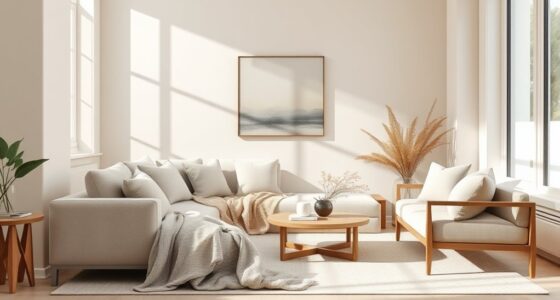
Moreover, the context in which you encounter colors also plays a role in shaping your emotional responses. A vibrant orange in a lively restaurant might boost your appetite and enthusiasm, while the same hue in a workspace could energize you for a busy day. Understanding that colors don’t operate in isolation helps you see how their impact depends on placement and purpose. If you’re designing a space meant for relaxation, opting for muted, cool tones like lavender or pale gray can foster a calming environment. Conversely, choosing stimulating colors like red or yellow in areas where you want energy can motivate activity and engagement.
Your awareness of color associations can also extend to your wardrobe and personal spaces. Wearing colors that reflect your mood or desired emotional state can reinforce those feelings. For example, donning a bright yellow shirt on a gloomy day might boost your confidence and positivity. Arranging your home with hues that evoke comfort and happiness can subtly influence your day-to-day mood. Over time, understanding how different colors trigger emotional responses empowers you to curate your surroundings intentionally, creating a more balanced and emotionally supportive environment.
Additionally, exploring how creative practice applies to color use can deepen your understanding of emotional impact, as experimenting with different hues fosters problem-solving and innovation. Ultimately, recognizing the link between color associations and emotional responses gives you a valuable tool in managing your mood. By paying attention to how specific hues make you feel, you can make conscious choices that promote positivity, calm, or motivation. Color psychology isn’t just about aesthetics—it’s about understanding the subtle ways hues influence your emotional landscape, giving you greater control over your well-being and daily experience.
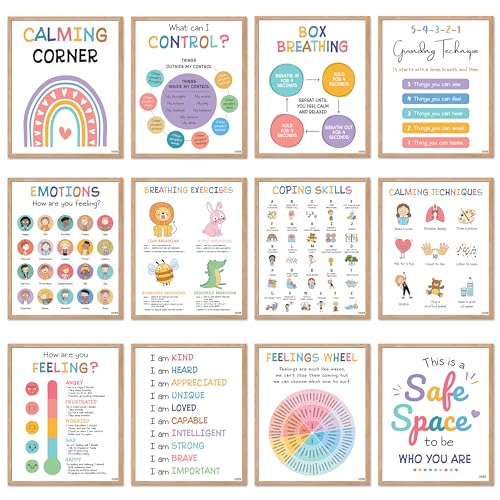
BEAWART 9 Calming Corner Classroom Posters, Mental Health Posters Therapy Office Decor ,Calm Down Corner Coping Skills Wall Art for Kids Toddler Classroom Preschool Homeschool Decoration, Feelings
CREATE A STRESS-FREE CALMING CORNER To Help Children Cool Off
As an affiliate, we earn on qualifying purchases.
As an affiliate, we earn on qualifying purchases.
Frequently Asked Questions
How Do Cultural Differences Affect Color Perception?
You should recognize that cultural symbolism and regional variations shape your perception of color. In some cultures, red signifies luck and prosperity, while in others, it may symbolize danger or warning. These differences influence how you interpret hues, affecting your emotional response and choices. Being aware of these cultural nuances helps you understand that color perception isn’t universal but deeply rooted in cultural symbolism and regional variations.
Can Color Therapy Effectively Treat Mental Health Issues?
Color therapy can be effective for some mental health issues by leveraging color symbolism and therapeutic applications. You might find that certain hues promote relaxation or boost mood, helping manage anxiety or depression. While not a replacement for traditional treatments, color therapy can complement your mental health regimen. Be sure to consult a professional to confirm it’s appropriate for your needs and to integrate it safely into your overall treatment plan.
Do Personal Experiences Influence Individual Color Preferences?
Yes, your personal experiences influence your individual color preferences. Personal memories and emotional associations shape how you respond to certain hues. For example, if a color reminds you of a happy memory, you’re more likely to favor it. Conversely, negative emotional associations can make you avoid specific colors. Your unique background and feelings create a deep connection to certain shades, making your preferences highly personal and subjective.
How Do Lighting Conditions Alter Color Mood Effects?
Lighting conditions considerably alter color mood effects. When lighting intensity is high, bright colors can feel more energizing, while dim lighting softens their impact. Color temperature also plays a role; warm tones create cozy, inviting moods, whereas cool tones evoke calm and focus. You’ll notice these effects in your environment—adjusting lighting intensity and color temperature can help you craft the desired atmosphere and influence your mood effectively.
Are There Universal Colors Linked to Specific Emotions?
Did you know that red universally symbolizes passion and energy across many cultures? Yes, some colors, like red, blue, and yellow, have strong emotional associations due to their color symbolism. While individual experiences vary, many people link specific hues to emotions like calmness, excitement, or caution. These universal color symbolism cues can influence your mood and perceptions, regardless of personal background, making them powerful tools in design and communication.

DC Mood T-Shirt Yellow L
100% cotton
As an affiliate, we earn on qualifying purchases.
As an affiliate, we earn on qualifying purchases.
Conclusion
Now that you understand how colors paint your mood, think of hues as a secret language whispering to your soul. Every shade you encounter is like a brushstroke on the canvas of your emotions, shaping your feelings without you even realizing it. So, next time you pick a color, remember you’re choosing a mood—like a maestro conducting an orchestra of sensations. Embrace the power of color and let your feelings dance to its vibrant tune.
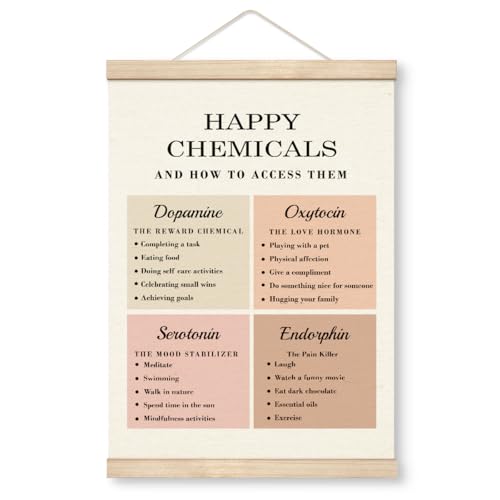
Therapy Decorations, Canvas Poster Wood Hanger, Social Psychology Canvas Poster, Mental Health Wall Art, Counseling Room Decor, Inspirational Decor, Happy Chemicals and How To Access Them Poster
Manufacturing: Handmade
As an affiliate, we earn on qualifying purchases.
As an affiliate, we earn on qualifying purchases.
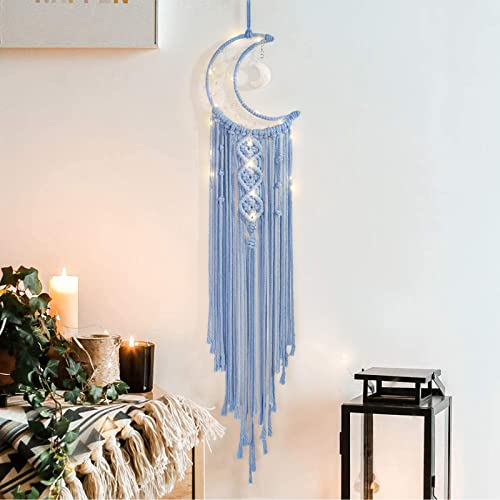
Macrame Moon Dream Catcher for Girl, Blue Boho Crescent Dreamcatcher for Bedroom Adult, Handmade Nursery Room Wall Hanging with Star Pendant for Teen Boy, Bohemian Home Decoration Idea
HANDMADE DECORATION: Made from the finest cotton fibers, this dream catcher boasts a delicate and intricate pattern that…
As an affiliate, we earn on qualifying purchases.
As an affiliate, we earn on qualifying purchases.