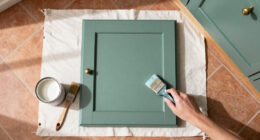
To keep soft blue feeling warm and inviting, pair it with cozy textures like plush cushions, woven rugs, or warm-toned furniture such as beige sofas or reclaimed wood tables. Incorporate natural elements like plants, shells, or stones for a calming vibe, and choose soft, warm lighting to enhance the peaceful atmosphere. Balance cool tones with warm accents and simple, clean lines to create a space that’s relaxing without feeling cold—there’s much more to explore below.

Get furniture and decor delivered free with Prime
- Fast, free delivery on millions of items
- Prime Video, Amazon Music and more included
- Member-only deals all year
Key Takeaways
- Pair soft blue with warm neutrals and inviting textures to create a cozy, welcoming atmosphere.
- Incorporate natural elements like wood, stones, or plants to add warmth and organic appeal.
- Use layered, warm lighting to soften the coolness of blue and enhance relaxation.
- Balance cool blue with warm accents such as brass fixtures or plush beige textiles.
- Keep furniture simple and comfortable to maintain a relaxed, non-cold vibe in the space.
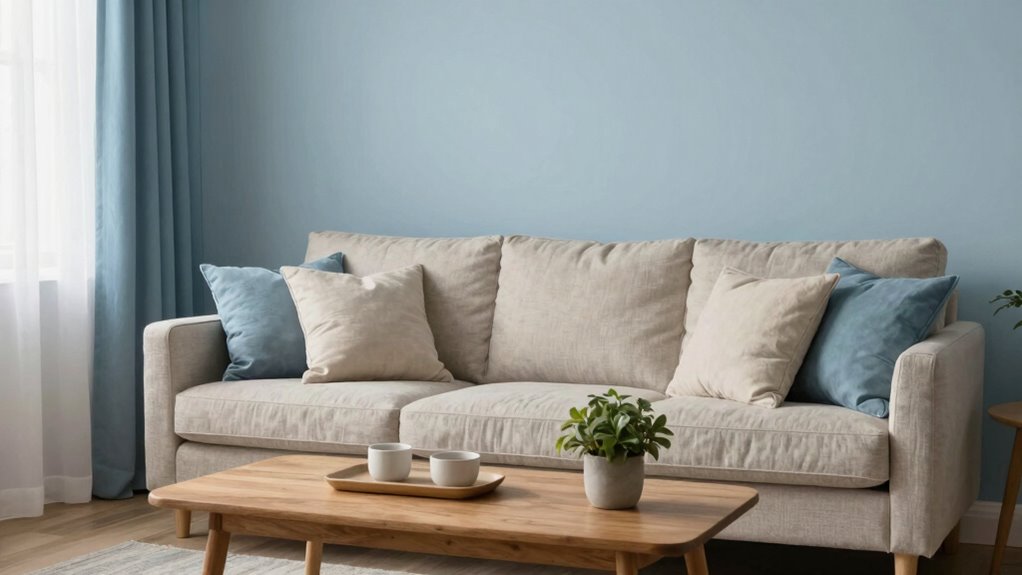
Are you wondering how to incorporate soft blue into your home decor? This gentle hue is a fantastic choice if you want a space that feels calm and inviting without veering into cold or sterile territory. Soft blue is known for its soothing qualities, but to make it truly work in your home, you need to understand its role in color psychology. It’s a color that promotes relaxation, reduces stress, and encourages quiet contemplation. When you choose soft blue, you’re creating a sanctuary—a space where you can unwind after a busy day. But to avoid making the room feel chilly or impersonal, you’ll want to think carefully about furniture pairing. Pairing soft blue with warm, natural materials like wood or textured fabrics helps balance the coolness, adding a sense of warmth and coziness.
In terms of furniture pairing, opt for pieces that have warm tones or inviting textures. Think of a plush beige sofa or a reclaimed wood coffee table that complements the softness of the blue walls. These choices create a harmonious blend that feels both relaxed and welcoming. Metal or sleek, modern furniture with cool tones can work, too, but ensure you soften the look with textiles or accessories that bring warmth, like cushions or throws in warm neutrals or earthy hues. This contrast prevents the space from feeling too cold or clinical, anchoring the blue in a friendly, homey atmosphere. When selecting furniture, aim for simple, clean lines that highlight the calming nature of the color without overwhelming it. Incorporating natural elements like stones or shells can also subtly reinforce the connection to nature and enhance the tranquil vibe. Additionally, paying attention to color harmony helps create a balanced and cohesive environment that supports relaxation. Creating a cohesive color palette ensures that all the elements work together seamlessly, further amplifying the peaceful ambiance.
Furthermore, incorporating elements inspired by biodiversity, such as houseplants or nature-inspired artwork, can enhance the sense of tranquility and connection to the environment. Using natural elements also supports a more harmonious and balanced aesthetic that reinforces the calming effect of soft blue. In addition to furniture pairing, consider the overall mood you want to cultivate. Soft blue works beautifully with whites, creams, and other pastel shades, creating a light, airy feel. Incorporate textiles like linen curtains, woven rugs, or velvet cushions to add texture and depth, making the space feel layered and inviting. Decorative accents such as brass or gold fixtures also add a touch of warmth and elegance. Lighting plays a critical role; soft, warm-toned bulbs will enhance the soothing quality of the blue, while harsh, cool lighting can diminish its calming effect.
As an affiliate, we earn on qualifying purchases.
Frequently Asked Questions
Can Soft Blue Work With Warm Color Palettes?
Yes, soft blue can work beautifully with warm color palettes. For effective color pairing, combine soft blue with warm shades like terracotta, amber, or warm beige. You can also add texture options like plush throws, woven rugs, and wooden accents to create a cozy, inviting atmosphere. These elements balance the coolness of soft blue, making your space feel both relaxing and lively without appearing cold.
What Lighting Enhances Soft Blue’s Relaxing Effect?
Natural sunlight enhances soft blue’s relaxing effect by filling your space with warm, gentle light during the day. To maintain a cozy ambiance in the evenings, incorporate ambient lighting like soft white or warm-toned fixtures, which complement the soft blue without overpowering it. This combination creates a soothing environment, making your home feel inviting and tranquil, perfect for unwinding after a long day.
How Do I Choose the Right Shade of Soft Blue?
You should choose a soft blue shade based on color psychology and your room’s lighting. Opt for a muted, slightly grayish or greenish tone to evoke calmness and serenity. Select a matte or eggshell finish for a cozy, relaxed feel, avoiding high-gloss finishes that can seem cold or stark. Test small patches in different lighting to see how the shade responds throughout the day before committing.
Is Soft Blue Suitable for Small Rooms?
Yes, soft blue works well in small rooms because it creates a calming atmosphere without overwhelming the space. In color psychology, soft blue promotes tranquility and openness, making your room feel larger and more inviting. Opt for matte or eggshell paint finishes to add depth and reduce glare, enhancing the cozy, relaxed vibe. Keep accessories light and minimal to maximize the soothing effect of soft blue in smaller areas.
How Can I Incorporate Soft Blue in a Minimalist Decor?
You can incorporate soft blue into your minimalist decor by creating an accent wall, which adds subtle color without overwhelming the space. Use textured fabrics like cushions or throws in soft blue to introduce warmth and visual interest. Keep the rest of the decor simple, with clean lines and neutral tones, so the soft blue accents stand out beautifully and create a calm, inviting atmosphere.
Conclusion
Incorporating soft blue into your home creates a calming, inviting atmosphere that’s perfect for relaxation. Did you know that blue is often associated with lowering blood pressure and heart rate? By choosing this gentle hue, you’re not only enhancing your space’s aesthetic but also promoting a sense of tranquility. Remember, subtle accents and balanced decor make all the difference. With soft blue, your home becomes a serene retreat you’ll love to unwind in every day.
Fall Picks
fall essentials
As an affiliate, we earn on qualifying purchases.