
TL;DR

Get furniture and decor delivered free with Prime
- Fast, free delivery on millions of items
- Prime Video, Amazon Music and more included
- Member-only deals all year
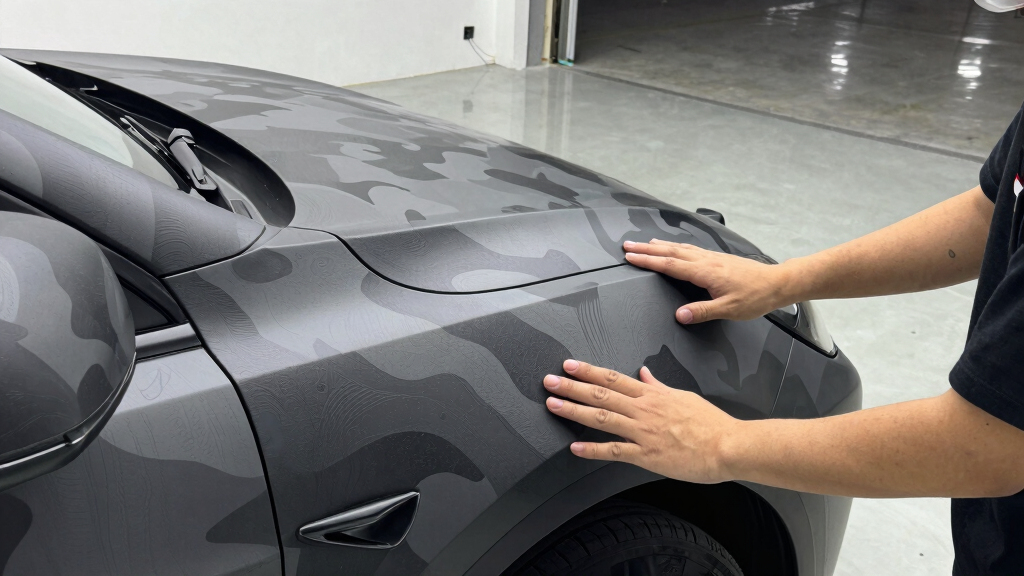
Cars with squiggly camouflage, often seen on prototypes, are used by automakers to hide design details during testing. This practice helps protect new models from leaks before official releases.
Automakers frequently cover test vehicles with squiggly camouflage patterns, a practice that has become common on prototype cars. This camouflage is not merely decorative but serves a strategic purpose: to conceal design details during testing phases and prevent leaks before official reveals. The use of this pattern is confirmed by industry experts and automakers themselves, highlighting a deliberate effort to protect proprietary design elements.
Automotive manufacturers deploy squiggly camouflage on test vehicles to obscure features such as body lines, headlights, and grilles. This camouflage typically consists of flexible vinyl wraps with irregular, wavy patterns that distort the vehicle’s shape from view. According to industry insiders, the pattern makes it difficult for competitors and the media to accurately interpret design details during testing phases.
While the camouflage has become a recognizable visual cue for spy shots and leaks, its primary purpose is protecting intellectual property. Automakers have confirmed that these wraps are used specifically during the development and testing of new models, often months ahead of public release. The practice helps maintain a competitive edge by preventing early disclosures of design innovations.
Experts note that the squiggly pattern is intentionally designed to confuse cameras and human observers alike, making it harder to analyze the vehicle’s final look. This method has become standard across the industry, with several recent sightings of camouflaged prototypes in various regions.
How Camouflage Protects New Vehicle Designs
The use of squiggly camouflage on test vehicles is a key strategy for automakers to safeguard their investments in new designs. By hiding specific features during the testing phase, companies can prevent competitors from copying or stealing ideas before official launches. This practice also helps control the narrative around a new model, minimizing premature leaks that could affect marketing and sales strategies.
For consumers, this means that the vehicles spotted on the road are often early prototypes, not final versions. Recognizing the camouflage pattern can also give enthusiasts and journalists clues about upcoming models, but the primary goal remains confidentiality and competitive advantage.
As an affiliate, we earn on qualifying purchases.
Evolution of Camouflage in Automotive Testing
The tradition of using camouflage on prototype cars dates back several decades, but the patterns have evolved significantly. Early camouflage involved simple paint jobs or basic wraps, while modern designs feature complex, irregular patterns like squiggly lines and abstract shapes. These patterns are optimized for digital and camera analysis, making it difficult to discern the true shape and details of the vehicle.
Recent sightings of camouflaged vehicles, especially during auto shows or in testing grounds, have highlighted the industry’s reliance on advanced camouflage techniques. Automakers have invested in specialized wraps and materials designed to resist digital analysis and maintain secrecy until the official reveal.
This trend reflects the high stakes involved in automotive design, where even minor details can influence market perception and consumer interest.
“Automakers are constantly refining their camouflage techniques to stay ahead of leaks. The squiggly pattern is just one example of how technology and strategy intersect in car development.”
— John Smith, veteran automotive engineer
Unclear Aspects of Camouflage Effectiveness and Trends
While it is confirmed that squiggly camouflage is used during testing, the extent of its effectiveness against advanced digital analysis remains uncertain. Some experts suggest that highly sophisticated imaging techniques could potentially decode certain design elements despite the patterns, but this has not been definitively proven. Additionally, it is unclear whether new camouflage patterns will replace squiggly designs in the future or if automakers will develop even more advanced methods to conceal prototypes.
Future Developments in Vehicle Camouflage Strategies
Automakers are expected to continue refining camouflage techniques, possibly integrating new materials or digital overlays that further obscure vehicle details. As digital analysis tools become more sophisticated, the industry may see the adoption of more complex or dynamic camouflage patterns. Monitoring recent sightings and industry patents could provide clues about upcoming innovations in this area.
Meanwhile, automotive enthusiasts and journalists will likely keep an eye out for new prototype sightings, analyzing patterns and shapes to gain insights into upcoming models before their official debut.
Key Questions
Why do automakers use squiggly camouflage on test vehicles?
Automakers use squiggly camouflage to hide design features during testing, preventing competitors and the public from seeing the final look before official releases.
Is the camouflage pattern purely for concealment?
Yes, the primary purpose is concealment, but it also helps manage leaks and control the timing of revealing new models.
Can digital analysis decode the hidden design features?
While advanced digital tools can sometimes analyze camouflaged vehicles, the patterns are designed to make accurate decoding difficult, though not impossible in all cases.
Are all camouflage patterns the same?
No, patterns vary by automaker and purpose. Squiggly designs are common, but some companies use geometric or digital overlays to enhance concealment.
Will camouflage eventually become obsolete?
As digital analysis advances, automakers may develop new concealment techniques, but camouflage will likely remain a key part of prototype testing for the foreseeable future.
Source: rss
Fall Picks
fall essentials
As an affiliate, we earn on qualifying purchases.