
TL;DR

Get furniture and decor delivered free with Prime
- Fast, free delivery on millions of items
- Prime Video, Amazon Music and more included
- Member-only deals all year
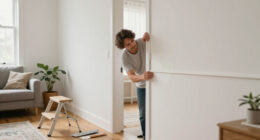
Home design experts report a shift away from the open-concept layouts popular in the ’90s. Buyers now favor defined, cozy, and personalized spaces that emphasize efficiency and warmth. This trend reflects changing priorities in homeownership and construction costs.
Homeowners and real estate experts confirm that the open-concept layouts dominant in the ’90s are declining in popularity, giving way to more defined, purpose-driven spaces that emphasize warmth, character, and efficiency. This shift reflects evolving buyer preferences and economic factors shaping new home designs.
According to industry insiders, the once-ubiquitous open-concept floor plans are losing favor among homebuyers and builders. Kristin Harrison, founder of Bungalow 10 Interiors, notes that there is a clear move toward spaces that are purposefully divided, such as home offices that double as reading nooks or media rooms designed as personal theaters. This change is driven partly by rising construction costs, which encourage smaller, smarter layouts that maximize utility without sacrificing style.
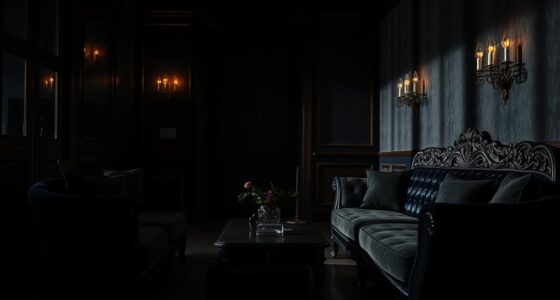
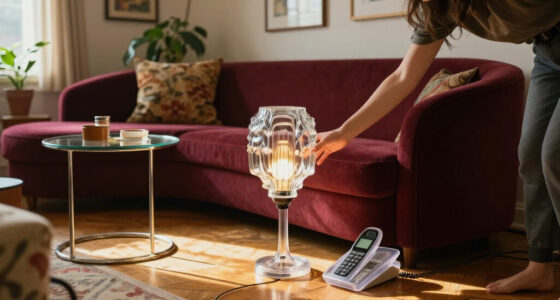
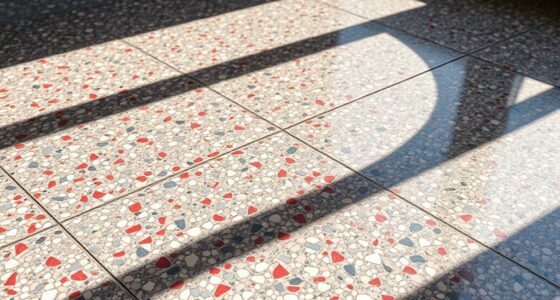
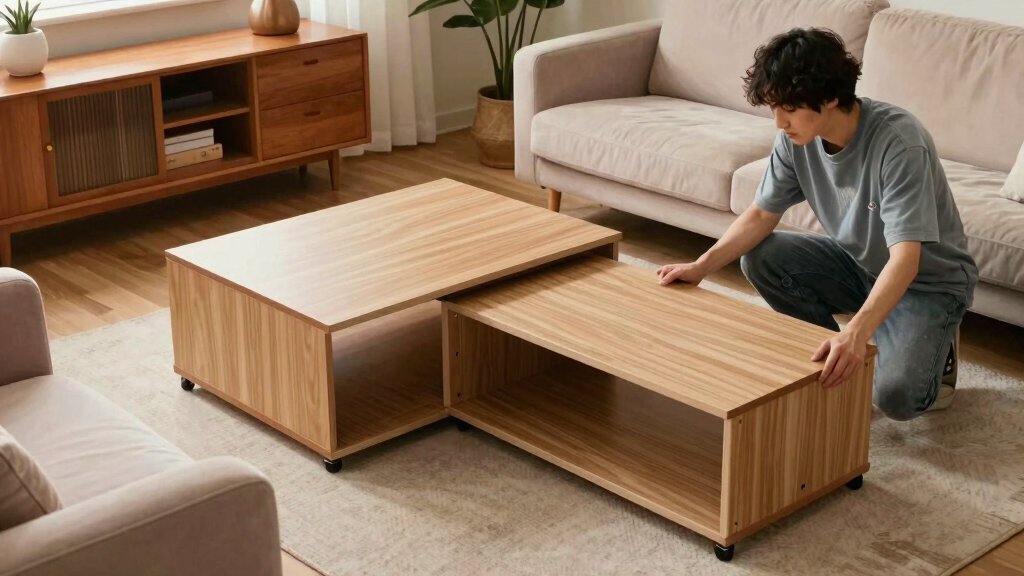
Experts highlight that this new approach also embraces bold use of color, pattern, and texture, moving away from the neutral palettes typical of previous decades. Warm woods, rich textiles, and artisanal fixtures are now common, creating homes that feel both cozy and sophisticated. Sustainable materials and energy-efficient appliances are increasingly integrated, aligning with eco-conscious buyer priorities. The focus is on creating homes that are as unique as their inhabitants, blending craftsmanship with practicality.
Implications for Homebuyers and the Market
This trend signifies a major shift in home design philosophy, reflecting broader changes in lifestyle priorities, economic considerations, and environmental awareness. Buyers are seeking spaces that offer both comfort and individuality, which could influence future real estate values and development practices. The move away from open-concept layouts towards more personalized, efficient designs may also impact renovation and remodeling markets, as homeowners seek to adapt existing spaces.
As an affiliate, we earn on qualifying purchases.
Evolution of Home Layouts Since the ’90s
Open-concept living became the standard in new construction homes during the 1990s, emphasizing large, flowing spaces for socializing and modern aesthetics. Over the past decade, this style has been associated with the modern farmhouse and minimalism trends. However, rising construction costs, environmental concerns, and changing lifestyle needs have prompted a reevaluation of this approach. Since 2025, experts have observed a clear pivot towards defined, multifunctional spaces that prioritize warmth, craftsmanship, and individuality.
“The open-concept layout is gradually giving way to more purposeful, character-driven spaces that reflect personal style and practical needs.”
— an anonymous researcher
Unclear Long-Term Impact of Design Shift
It remains unclear how widespread this trend will become across different regions and market segments. The long-term impact on real estate values and renovation practices is still developing, and some industry insiders suggest that open-concept layouts may persist in certain luxury or high-density markets. Additionally, how quickly builders will fully adopt these new design principles is still uncertain.
Future Directions in Home Design and Market Response
Expect continued growth in purpose-driven, character-rich home designs, with more emphasis on sustainable materials and energy efficiency. Builders and developers are likely to experiment with new layout configurations that balance openness with defined spaces. Market responses will be closely watched, especially as buyers prioritize personalization and eco-friendliness in their home purchases.
Key Questions
Why are open-concept layouts declining in popularity?
Experts attribute the decline to rising construction costs, a desire for more privacy and functionality, and a shift toward personalized, cozy spaces that reflect individual lifestyles.
Will open-concept homes disappear entirely?
It is unlikely they will disappear altogether; instead, they may become niche or luxury options, with more homes adopting defined, multifunctional layouts.
How are these design changes affecting home values?
While still early to tell, the trend toward personalized, efficient spaces may increase value for homes that meet these new preferences, especially in markets prioritizing sustainability and character.
Are these trends driven by economic factors?
Yes, rising construction costs and the demand for sustainable, energy-efficient homes are significant factors influencing the shift away from open-concept designs.
What should homeowners consider if renovating?
Homeowners should focus on creating flexible, purpose-driven spaces that incorporate warmth, craftsmanship, and sustainable materials to align with current trends.
Source: Apartment Therapy
Fall Picks
fall essentials
As an affiliate, we earn on qualifying purchases.