To achieve clean lines and sharp geometric patterns with painter’s tape, guarantee you press the tape firmly along the edges to prevent seepage. Apply tape carefully, aligning it precisely for complex designs, and score corners with a craft knife for extra accuracy. Wait for the paint to dry completely before removing the tape slowly at a 45-degree angle. Mastering these steps will help you create flawless lines and patterns. Keep going to discover more tips for perfect results.
Key Takeaways
- Apply painter’s tape firmly along edges to create a strong barrier against paint bleed and ensure sharp lines.
- Use a craft knife to score tape edges at corners for enhanced precision in geometric patterns.
- Properly align and mask sections in stages for complex designs to maintain straight, clean lines.
- Remove tape slowly at a 45-degree angle once paint is fully dry to prevent smudging or peeling.
- Wait for paint to cure completely before touch-ups, using fine brushes for small corrections to preserve clean edges.

Achieving crisp, professional-looking paint lines can be challenging, but painter’s tape makes it much easier. When you’re aiming for clean edges and sharp geometric patterns, proper edge protection is vital. The key is to carefully apply the tape along the boundary you want to define, pressing down firmly to guarantee it adheres well and prevents paint bleed. This edge protection creates a barrier that keeps your brush or roller from crossing into unwanted areas, resulting in cleaner lines and a more polished look. Remember, the success of your project hinges on how well the tape sticks and stays in place during painting.
Once you’ve painted over the taped edges, patience is essential. Allow the paint to dry thoroughly before tape removal. Rushing this step can cause the fresh paint to lift or smudge, ruining the crispness of your lines. When you’re ready to remove the tape, do so slowly and at a 45-degree angle. This technique minimizes the risk of peeling off paint along with the tape, helping you achieve that sharp, clean edge you’re after. If you notice any paint bleeding or rough edges, wait until the paint is fully dry, then carefully touch up with a small brush instead of trying to fix it by pulling the tape again.
Allow paint to dry fully before removing tape for crisp, clean lines.
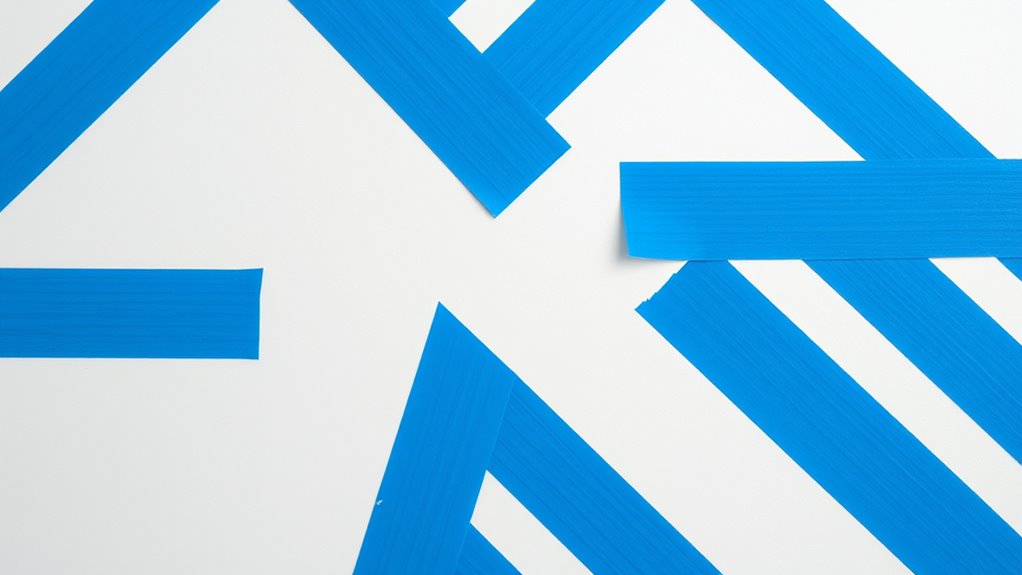
Taping for geometric patterns demands precision, so take your time aligning the tape perfectly before painting. Use painter’s tape designed for delicate surfaces if you’re working on drywall or painted walls, as it reduces the risk of damaging the finish during tape removal. For complex designs, use painter’s tape to mask off sections in stages, creating crisp lines between different colors or shapes. Always press down the tape firmly along the edges to prevent paint seepage, and consider using a small craft knife to score along the tape’s edge if you want extra precision at corners or intricate angles.
The right technique for tape removal is just as important as applying it. Remove the tape slowly and steadily, pulling it back on itself rather than upward, to keep your lines sharp. If any paint pulls away with the tape, wait for the paint to cure fully and then carefully touch up the area with a fine brush. This extra step ensures your geometric patterns look precise and professional. With patience and attention to detail, painter’s tape becomes your best tool for achieving those flawless, clean lines that elevate your painting project to a professional level.

Duck Clean Release Blue Painter's Tape, 2-Inch (1.88-Inch x 60-Yard), Single Roll, 240195
Ideal for a variety of surfaces including painted walls, trim, glass, wood and metal
As an affiliate, we earn on qualifying purchases.
As an affiliate, we earn on qualifying purchases.
Frequently Asked Questions
How Long Should Painter’s Tape Be Left on Before Removing?
You should leave painter’s tape on for at least an hour after applying, but it’s best to wait until the paint is dry to the touch to guarantee clean lines. This drying time prevents smudging or peeling during tape removal. Check the paint’s consistency and gently peel off the tape at a 45-degree angle. Removing the tape too early can ruin your crisp lines, so patience ensures a perfect finish.
Can Painter’s Tape Be Used on Textured Surfaces?
You can definitely use painter’s tape on textured surfaces, but don’t skip surface preparation. Texture adhesion can be tricky, so press the tape down firmly and make sure the surface is clean, dry, and free of dust or debris. If you don’t, paint may bleed or lift, ruining your clean lines. Taking this extra step guarantees sharp edges and a professional finish, even on challenging textured surfaces.
What’s the Best Way to Prevent Paint Bleed?
To prevent paint bleed, you should guarantee strong tape adhesion by pressing down firmly along the edges with a putty knife or your finger. Use painter’s tape designed for your surface, and consider applying a thin coat of primer or sealing the edges beforehand. Removing the tape slowly and at a 45-degree angle also helps avoid paint seeping underneath. These paint bleed prevention tips keep your lines crisp and clean.
How Do I Remove Painter’s Tape Without Damaging the Paint?
You carefully pull the painter’s tape at a 45-degree angle, revealing the crisp edge you sealed earlier. To prevent damage, gently lift the tape in one smooth motion, avoiding sudden jerks. Use edge sealing techniques beforehand to keep the paint intact. If any paint lifts, lightly press it back down or touch it up. This precise tape removal preserves your clean lines and flawless geometric patterns.
Is Painter’s Tape Suitable for Outdoor Projects?
Yes, painter’s tape is suitable for outdoor projects. You should choose a tape with good durability considerations, ensuring it sticks well in varying weather conditions. Keep in mind weather impact; avoid applying it during rain or extreme heat, as this can reduce adhesion and cause peeling. For best results, apply the tape on dry, clean surfaces and remove it promptly once the paint dries, to prevent damage or residue.

YUBX Basic Patterns Washi Tape Set 60 Rolls Geometric Elegance Decorative Skinny Masking Tapes for Arts, DIY Crafts, Journals, Planners, Scrapbook, Wrapping (Bygone Days)
BASIC VALUE PACK: Explore the beauty of simplicity with this 60-roll Washi Tape collection, featuring elegant geometric patterns…
As an affiliate, we earn on qualifying purchases.
As an affiliate, we earn on qualifying purchases.
Conclusion
Now that you know how painter’s tape creates crisp lines, you can turn messy walls into works of art. It’s surprising how something so simple can transform your space, much like a blank canvas becomes a masterpiece. With patience and tape, you hold the power to craft clean, geometric designs that stand out. So, embrace the contrast—between chaos and control—and let your creativity shine through precise, professional-looking patterns.
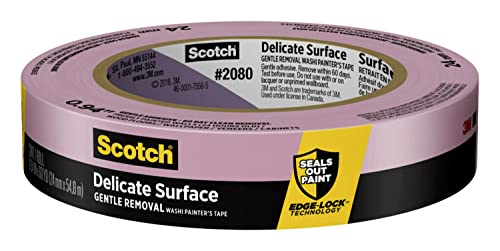
Scotch Delicate Surfaces Painters Tape, 0.94 in x 60 yd, Damage-Free Painting Prep, Protect Delicate Surfaces, UV & Sunlight Resistant, Solvent-Free Adhesive, Indoor Masking Tape, 1 Roll (2080EL-24E)
READY. SET. PAINT!: 1 roll of 0.94 inch wide Scotch Delicate Surface Painter's Tape, a versatile solution for…
As an affiliate, we earn on qualifying purchases.
As an affiliate, we earn on qualifying purchases.

ScotchBlue Painter's Tape Applicator TA3-SB-ESF, 100% PEFC, SGSCH-PEFC-COC-110078
PERFORMANCE: Faster, easier prep with precision vs. applying 3M paper-backed tapes by hand
As an affiliate, we earn on qualifying purchases.
As an affiliate, we earn on qualifying purchases.