When comparing LVP and laminate flooring, you’ll find LVP excels in water resistance because of its waterproof core and sealed surface, making it ideal for moisture-prone areas. It’s also more impact-resistant and offers a softer, more natural feel underfoot. Laminate, however, is less resistant to water and can warp or swell if exposed to moisture. For durability and comfort, LVP generally wins, but exploring each option further will help you choose the best fit.
Key Takeaways
- LVP offers superior water resistance, making it ideal for moisture-prone areas, while laminate is more vulnerable to water damage.
- LVP is more impact-resistant and durable against scratches, suitable for high-traffic zones; laminate is less resilient.
- LVP has a softer, more natural underfoot feel mimicking wood or stone textures; laminate feels firmer and more uniform.
- Both floors are easy to clean, but LVP requires damp mops, whereas laminate prefers dry cleaning to prevent damage.
- Although LVP has higher upfront costs, its longevity and resistance provide better long-term value compared to laminate.

Art3d Peel and Stick Floor Tile Vinyl Wood Plank 36-Pack 54 Sq.Ft, Deep Gray, Rigid Surface Hard Core Easy DIY Self-Adhesive Flooring
Stylish – Authentic wood looking and grain texture, adding timeless feature for your home
As an affiliate, we earn on qualifying purchases.
As an affiliate, we earn on qualifying purchases.
Which Is Better for Water Resistance: LVP or Laminate?

When it comes to water resistance, Luxury Vinyl Plank (LVP) generally outperforms laminate flooring. In a water resistance comparison, LVP resists moisture better because of its waterproof core and sealed surface layers, making it ideal for bathrooms, kitchens, and basements. Laminate flooring, on the other hand, has a fiberboard core that can swell or warp when exposed to water, limiting its suitability in moisture-prone areas. Installation challenges also differ; LVP’s click-lock system is easier to install over uneven surfaces and doesn’t require extensive preparation to prevent water damage. Laminate installation can be more complex, especially when trying to create a water-resistant barrier, which can increase the risk of issues if not done correctly. Overall, LVP offers superior water resistance with fewer installation concerns. Additionally, understanding waterproofing techniques can further enhance the durability of your flooring in moisture-prone environments, and choosing the right flooring type based on moisture exposure is essential for long-term performance. Proper installation methods can also play a significant role in maintaining water resistance over time. For example, selecting products from reputable Gold IRA markets can help inform decisions about investment security and reliability, similar to choosing durable flooring options.

Ottomanson Commercial Scrape Rib Entry Mat – Heavy Duty Ribbed Floor Mat for High Traffic – Non Slip Rubber Back, Waterproof – Indoor Outdoor Use for Offices, Schools, Lobbies, 2'7" x 8', Black
Built for High-Traffic Zones: Engineered for nonstop foot traffic in commercial entrances, hallways, and vestibules — ideal for…
As an affiliate, we earn on qualifying purchases.
As an affiliate, we earn on qualifying purchases.
How Durable Are LVP and Laminate Floors?

LVP and laminate floors are both designed to withstand everyday wear, but their durability varies based on construction and usage. LVP tends to have better scratch resistance thanks to its durable vinyl top layer, making it less prone to dents and scuffs. Laminate flooring also offers decent scratch resistance, but its surface can be more vulnerable to sharp objects. When considering allergy concerns, both options are good choices because they don’t trap dust or allergens like carpet. However, laminate’s harder surface may trap allergens more easily if not properly maintained. Additionally, the water resistance of LVP makes it especially suitable for areas prone to moisture, further enhancing its durability. Proper installation techniques can also impact the overall longevity of each flooring type. Regular maintenance practices can help extend the lifespan of both flooring types and keep them looking their best over time. Incorporating proper cleaning methods can also prevent damage and preserve the integrity of each flooring material. Using protective pads on furniture can prevent scratches and dents, further prolonging the lifespan of your floors.
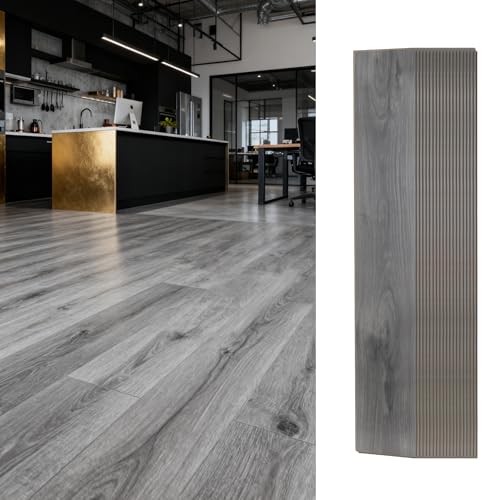
27 Sq.Ft.Vinyl Click-Lock Rigid Flooring–Softer & Quieter Underfoot, Non-Slip & Waterproof, Scratch-Resistant,Low-Formaldehyde Comfort Core Planks (Light Grey)
1. Softer and More Comfortable Underfoot — WPC click-lock flooring offers a more cushioned, flexible feel than traditional…
As an affiliate, we earn on qualifying purchases.
As an affiliate, we earn on qualifying purchases.
What Do LVP and Laminate Feel Like Underfoot?

Have you ever wondered how the flooring feels beneath your feet? When it comes to texture comparison, LVP offers a more realistic, tile-like feel with a slightly cushioned softness underfoot. It mimics the natural textures of stone or wood, providing a satisfying tactile experience. Laminate, on the other hand, tends to have a smoother, more uniform surface that feels harder and more rigid. While laminate isn’t as soft as carpet, it still provides decent comfort for walking, especially if you prefer a firmer underfoot. Overall, LVP generally feels softer and more natural, making it more comfortable for long periods of standing or walking barefoot. Your choice depends on whether you prioritize a more realistic texture or a slightly firmer, durable feel. Additionally, flooring textures can influence the overall ambiance and comfort of your space. Recognizing the wear resistance of each material can help you choose a flooring that maintains its feel over time. Moreover, understanding material durability can guide your decision based on your lifestyle and foot traffic. Considering the installation process is also important, as it can affect the initial feel and longevity of your flooring. Furthermore, factors like maintenance requirements can impact how the flooring feels after cleaning and regular use.

SPC Vinyl Flooring 5mm Thick | Waterproof Click Lock Rigid Core | IXPE Soundproof Underlayment | Easy Install Wood Look Plank,10 Planks (21.5 Sq. Ft) (Norcia Oak)
0.146 inch/3.7mm SPC Rigid Core with Limestone Composite: High-density stone-plastic composite structure (limestone powder + PVC + stabilizers)…
As an affiliate, we earn on qualifying purchases.
As an affiliate, we earn on qualifying purchases.
Where Should You Use LVP in Your Home?
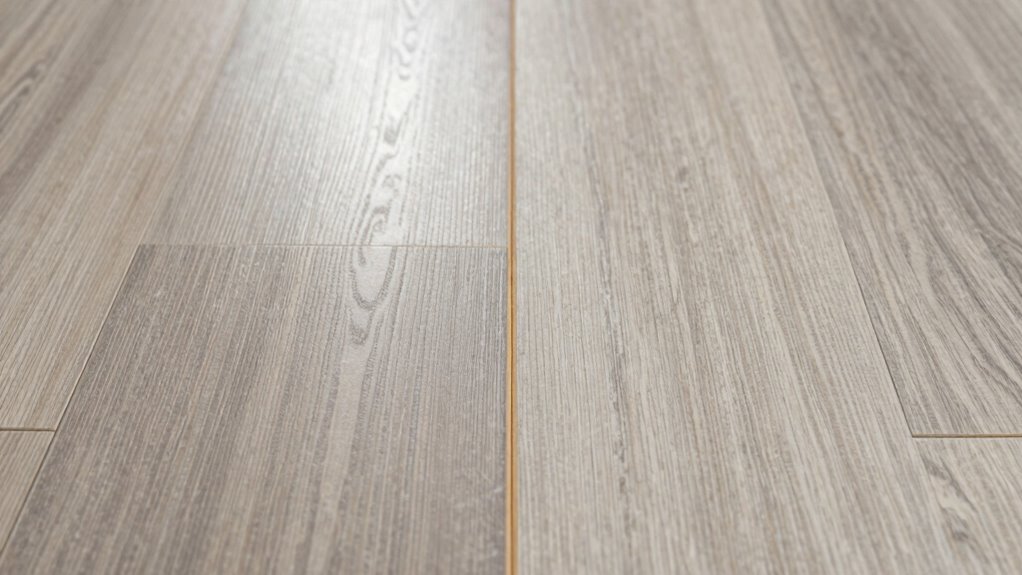
Luxury Vinyl Plank (LVP) is an excellent choice for areas with high foot traffic or moisture, as it combines durability with water resistance. Its design versatility allows you to mimic wood, stone, or tile, making it suitable for kitchens, bathrooms, mudrooms, and basements. You’ll appreciate how seamlessly it fits into various decor styles. When considering installation complexity, LVP is generally straightforward, often designed for DIYers with click-lock systems or peel-and-stick options. This ease of installation means you can upgrade multiple spaces without professional help. Use LVP where you need resilience against moisture and frequent use, such as entryways, laundry rooms, or even living areas where durability is a priority. Its versatility and user-friendly installation make it a practical choice throughout your home. Additionally, understanding seasons and Milky Way shooting can help you plan your installation timing for optimal results. Incorporating proper maintenance can also extend the lifespan of your LVP flooring, ensuring it remains attractive for years to come. Being aware of seasonal changes can help you adapt your care routine to maintain its appearance over time, especially when considering environmental factors that impact flooring longevity. Regular cleaning and prompt moisture cleanup are essential for preserving its appearance and durability over various seasons.
When Is Laminate the Right Choice for You?

While LVP excels in moisture-prone and high-traffic areas, there are times when laminate flooring offers a better fit for your home. If you’re seeking eco-friendly materials, laminate often uses sustainable resources and reduced chemical emissions. It’s also a great choice if you want versatile installation techniques, such as click-lock systems that are easy for DIY projects. Consider laminate when:
- You prioritize affordability without sacrificing style
- You prefer a surface that can mimic a variety of natural materials
- You want a flooring option that’s quick and simple to install
- You seek inner strength and resilience in your flooring choice
Laminate’s durability and eco-friendly options make it ideal for busy households, especially in spaces where moisture isn’t a major concern. It’s a practical, cost-effective choice for many homeowners looking for a versatile flooring solution.
How Easy Is It to Maintain and Clean LVP and Laminate?

Maintaining and cleaning LVP and laminate flooring is straightforward, but each requires specific care to keep them looking their best. With a regular cleaning routine, you can easily keep your floors spotless. For LVP, use a damp mop with a gentle cleaner to remove dirt and spills. Laminate floors prefer dry or slightly damp mops, avoiding excessive water. When it comes to stain removal, act quickly—dabbing with a soft cloth and mild cleaner usually does the trick. Avoid harsh chemicals that could damage the surface. Both flooring types resist stains well, but prompt cleaning guarantees they stay pristine. Additionally, understanding flooring durability can help you choose the right cleaning methods for long-term maintenance. Proper cleaning techniques are essential to preserve the appearance and longevity of your floors. Regularly checking the manufacturer’s guidelines can also prevent damage caused by improper cleaning, ensuring your floors remain in excellent condition. Using the correct cleaning products tailored for each flooring type can further extend their lifespan. Overall, keeping these floors clean is simple, requiring minimal effort to maintain their appearance and durability over time.
Which Flooring Offers Better Long-Term Value?

When considering long-term value, durability and maintenance play key roles in your decision. You’ll want flooring that withstands daily wear without costly upkeep, saving you money over time. By comparing the initial costs and how each option ages, you can choose the best fit for your budget and lifestyle.
Durability and Maintenance
Durability and maintenance are essential factors to contemplate when choosing between LVP and laminate flooring for long-term value. LVP tends to resist water and wear better over time, making it ideal for high-traffic or moisture-prone areas. Laminate, however, may face installation challenges due to its click-lock system and can be more sensitive to moisture, affecting its lifespan. Additionally, consider the environmental impact of each; LVP often contains vinyl, which raises concerns about recyclability, while laminate uses fiberboard that may have formaldehyde emissions.
Key points to weigh include:
- Resistance to scratches and dents
- Ease of cleaning and upkeep
- Environmental sustainability considerations
Cost Effectiveness Over Time
Over the long run, the cost-effectiveness of LVP versus laminate flooring depends on their initial investment and ongoing expenses. LVP generally has higher installation costs but offers better durability, which can boost resale value. Laminate is cheaper upfront but may require replacement sooner, affecting long-term savings. Consider the table below:
| Aspect | LVP | Laminate | Impact |
|---|---|---|---|
| Installation costs | Higher | Lower | Initial expense |
| Durability | Longer-lasting | Less durable | Fewer replacements, savings |
| Resale value | Better appeal | Less appealing | Higher home value |
In the end, choosing LVP may cost more upfront but pays off with longevity and resale benefits, making it more cost-effective over time.
Is LVP or Laminate the Best Fit for Your Lifestyle?

Think about how much moisture your space handles daily—if spills or humidity are common, LVP might be your best choice. For high-traffic areas, durability matters, so consider which option can withstand frequent use. Matching your flooring to your lifestyle guarantees it stays beautiful and functional for years to come.
Moisture Resistance Needs
When considering moisture resistance, it’s important to recognize that not all flooring options handle moisture equally well. If your home experiences humidity, spills, or damp areas, your choice matters. LVP offers excellent moisture absorption resistance and mold resistance, making it suitable for kitchens, basements, or bathrooms. Laminate, however, tends to absorb moisture more easily, risking warping or mold growth over time. To help you decide, consider these key points:
- LVP resists moisture absorption and mold buildup
- Laminate is less resistant to water and prone to damage
- Both options vary in their ability to handle spills and humidity
Choosing the right flooring depends on your moisture exposure and lifestyle, ensuring durability and health for your space.
Foot Traffic Level
Choosing the right flooring depends heavily on the level of foot traffic your space receives. If your area experiences high foot traffic, impact resistance becomes vital to prevent wear and damage. LVP offers superior impact resistance, making it ideal for busy households or commercial spaces. Laminate, while durable, may show wear faster under constant activity. To help you compare, consider this table:
| Foot Traffic Level | Recommended Flooring | Impact Resistance |
|---|---|---|
| Low | Laminate | Moderate |
| Moderate | Either LVP or Laminate | Good |
| High | LVP | Excellent |
| Very High | LVP with heavy-duty wear layer | Outstanding |
Evaluate your lifestyle and choose flooring that can withstand your daily impact and foot traffic.
Frequently Asked Questions
How Do LVP and Laminate Flooring Affect Indoor Air Quality?
You might notice that LVP and laminate flooring can impact indoor air quality through VOC emissions, which may cause headaches or irritation. Both types can trap indoor allergens like dust and pet dander, affecting air purity. Proper installation, ventilation, and selecting low-VOC options can mitigate these effects, helping you maintain a healthier indoor environment. Always check product labels for VOC levels to ensure safer indoor air quality.
Can LVP or Laminate Be Installed Over Existing Flooring?
Yes, you can install LVP or laminate over existing flooring, but you should consider installation challenges and durability considerations. Make sure the current floor is level, clean, and free of moisture to prevent issues later. Both options offer durability; however, LVP tends to handle moisture better, making it a smarter choice over certain existing surfaces. Proper preparation guarantees a smooth install and long-lasting performance.
Are There Eco-Friendly Options Available for LVP and Laminate?
Many believe eco-friendly options for LVP and laminate don’t exist, but that’s not true. You can choose sustainable options made from recycled and renewable materials, reducing environmental impact. Look for eco-friendly materials like bamboo, cork, or products certified by organizations such as FSC or GreenGuard. These options help you make responsible choices while enjoying durable flooring that’s better for the planet. Eco-conscious flooring is more accessible than ever.
How Do LVP and Laminate Compare in Cost Over Their Lifespan?
In regard to cost comparison over their lifespan, LVP generally costs more upfront but offers better durability, reducing replacement expenses. Laminate tends to be cheaper initially but may need replacing sooner due to wear and water damage. Conduct a lifespan analysis to see which option fits your budget long-term. You’ll find that investing in LVP might save you money over time, especially in high-traffic or moisture-prone areas.
What Are the Best Maintenance Products for Each Flooring Type?
Did you know that proper cleaning routines can extend your flooring’s lifespan by up to 30%? For LVP, use gentle, pH-neutral cleaners to prevent damage, and consider felt pads to prevent scratches. For laminate, avoid excessive water and opt for soft cloths. Scratch prevention is key—use furniture pads and avoid abrasive tools. Both floors benefit from regular sweeping and dry mopping to keep them looking new longer.
Conclusion
Ultimately, choosing between LVP and laminate is like selecting the right ship for your journey—each offers different strengths to navigate your home’s waters. LVP is your sturdy vessel for water-rich adventures, while laminate’s lightweight design suits less treacherous terrains. Think about your destination, your lifestyle, and what you value most, then steer your choice confidently. Whichever you pick, remember it’s the vessel that will carry your home’s story for years to come.