
TL;DR

Get furniture and decor delivered free — and shop member deals
- Fast, free delivery on millions of items
- Access to Prime Big Deal Days deals on October 6–7
- Prime Video, Amazon Music and more included
Several controversial food trends are gaining popularity within wellness culture, sparking debate over their health claims and safety. Experts and consumers are divided on their benefits and risks, making these trends a focal point of ongoing discussion.
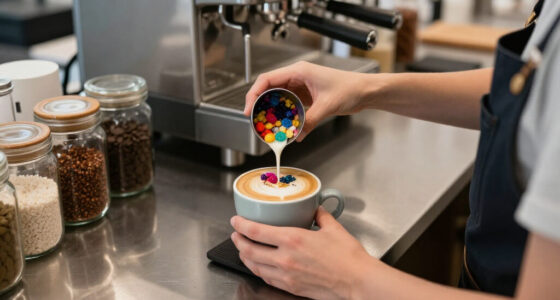
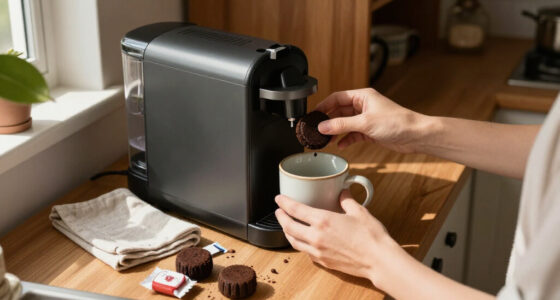
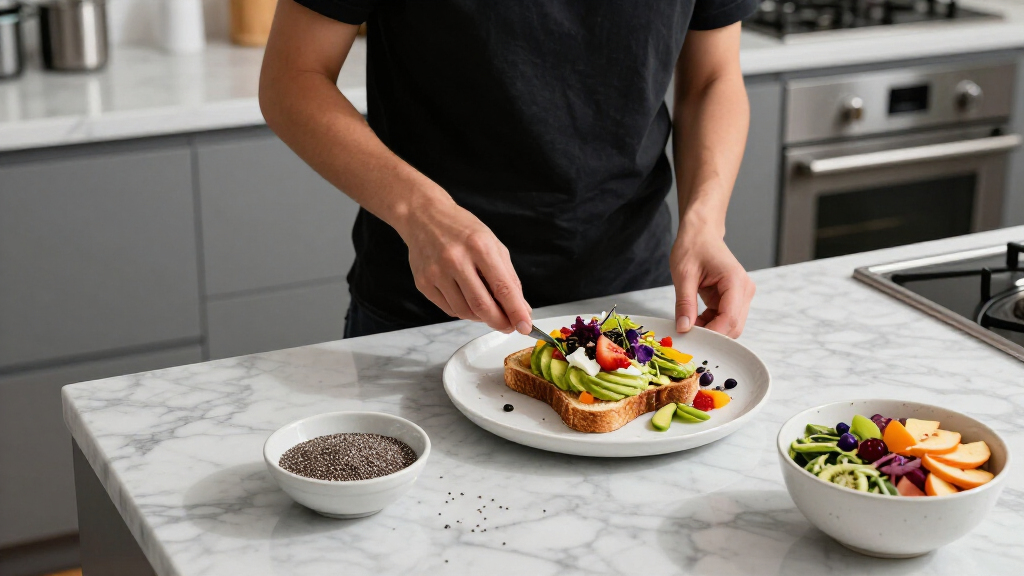
Several controversial food trends are currently dominating wellness culture, attracting both enthusiastic followers and sharp criticism. These global food trends are shaping consumer choices and social media discussions. These trends include practices like detox teas, activated charcoal products, and raw food diets, which have surged in popularity despite questions about their health benefits and safety. For ideas on how to enjoy diverse cuisines at home, check out these global food trends. This development matters because it influences consumer choices and sparks ongoing debates among health professionals and regulators.
Recent years have seen a rise in wellness-focused food trends that challenge traditional dietary advice. Among the most debated are detox teas, which claim to cleanse the body of toxins; activated charcoal products, marketed for detoxification and whitening effects; and raw food diets, which promote eating uncooked, unprocessed foods. These trends have gained significant traction on social media, with influencers endorsing their purported health benefits.
However, health experts and regulatory agencies have raised concerns. The U.S. Food and Drug Administration (FDA) has issued warnings about certain activated charcoal products, citing potential risks like gastrointestinal issues and interference with medications. Similarly, some nutritionists question the scientific validity of detox teas’ claims, emphasizing that the body naturally detoxifies without external aid. Despite this, consumer demand remains high, driven by marketing and social media influence.
Some proponents argue these trends promote a natural, holistic approach to health, while critics warn they can be misleading or even harmful if misused. The controversy underscores a broader debate about evidence-based health advice versus wellness fads that often lack scientific backing. If you’re interested in exploring new ways to bring the world to your table, consider visiting this article on global food trends.
Impact of Wellness Fads on Public Health Perceptions
The popularity of these controversial food trends influences public perceptions of health and safety. While some consumers believe they are adopting more natural or effective health practices, others may be exposed to unnecessary risks. The controversy also pressures regulatory bodies to scrutinize and potentially regulate these products more stringently, impacting industry standards and consumer protections.
As an affiliate, we earn on qualifying purchases.
Rise of Wellness Culture and Food Trend Adoption
Over the past decade, wellness culture has expanded beyond traditional health practices to include a wide range of food trends promoted heavily on social media platforms. Influencers and celebrity endorsements have played a significant role in popularizing items like detox teas, activated charcoal, and raw diets. These trends often emphasize detoxification, purity, and natural health, resonating with a growing desire for holistic lifestyles.
Historically, some of these practices have roots in alternative medicine, but their mainstream adoption has increased rapidly due to marketing and celebrity influence. Regulatory agencies have started to respond, issuing warnings and reviewing safety standards, but enforcement remains inconsistent globally.
While some health professionals acknowledge certain benefits of natural foods, many warn that unproven claims and misuse can lead to health complications, especially among vulnerable populations like pregnant women or those on medication.
“Many of these trends lack scientific backing and can sometimes do more harm than good if consumers aren’t cautious.”
— Dr. Lisa Nguyen, Nutritionist
Unverified Claims and Regulatory Gaps in Wellness Trends
It remains unclear how widespread the health risks associated with these trends are, as scientific studies are limited or inconclusive. Regulatory agencies are still assessing the safety of some products, and enforcement varies across regions. There is also uncertainty about long-term effects and whether these trends will persist or fade as more research emerges.
Future Regulatory Actions and Consumer Awareness Efforts
Regulatory bodies are expected to increase oversight of wellness food products, potentially introducing stricter labeling and safety standards. Meanwhile, consumer education campaigns may aim to dispel myths and promote evidence-based health practices. Monitoring the evolution of these trends and their regulation will be key in shaping the future landscape of wellness culture.
Key Questions
Are detox teas safe to use?
Detox teas vary in safety; some may cause gastrointestinal issues or interfere with medications. It is advisable to consult a healthcare professional before use.
What are the risks of activated charcoal products?
Activated charcoal can cause constipation, dehydration, or interfere with medication absorption if misused. Regulatory warnings have been issued about these risks.
Why are these trends so popular despite concerns?
Social media influence, celebrity endorsements, and the appeal of natural health solutions drive popularity, even amid scientific skepticism and regulatory warnings.
Will these trends continue to grow?
The future of these trends depends on regulatory actions, scientific research outcomes, and consumer awareness. They may evolve, fade, or be replaced by new fads.
How can consumers identify credible health information?
Consumers should seek advice from qualified health professionals and rely on evidence-based sources rather than marketing claims or social media endorsements.
Source: rss
Fall Picks
fall essentials
As an affiliate, we earn on qualifying purchases.