
TL;DR

Get furniture and decor delivered free with Prime
- Fast, free delivery on millions of items
- Prime Video, Amazon Music and more included
- Member-only deals all year
Archaeological findings confirm that Romans lived in multistory insulae as early as the third century BC, pioneering vertical urban living. These structures combined residential, commercial, and communal spaces, influencing future city design.
Archaeologists and historians have confirmed that Roman cities as early as the third century BC featured multistory apartment buildings known as insulae, which housed a large portion of the urban population and pioneered vertical living.
Recent excavations and analysis of ancient texts have provided detailed insights into the structure and function of Roman insulae. These buildings, often reaching up to eight stories, combined commercial spaces on the ground floor with densely packed residential units called cellae on upper levels. They were constructed using innovative techniques, including the extensive use of Roman concrete mixed with volcanic ash, which allowed for taller, more durable structures. Historical accounts, such as those from Livy, suggest that insulae may have existed as early as the third century BC, with some evidence indicating they were already common in Rome by then.
The insulae incorporated features borrowed from traditional Roman houses, such as colonnaded atriums, but also introduced communal staircases, vaulted arcades, balconies, and multifunctional spaces. These innovations supported a growing urban population and facilitated a mix of residential, commercial, and even religious activities within single complexes. Notably, Roman entrepreneurs like Marcus Licinius Crassus exploited frequent fires and building collapses to acquire and rebuild properties, profiting from the chaos, as described by Plutarch.
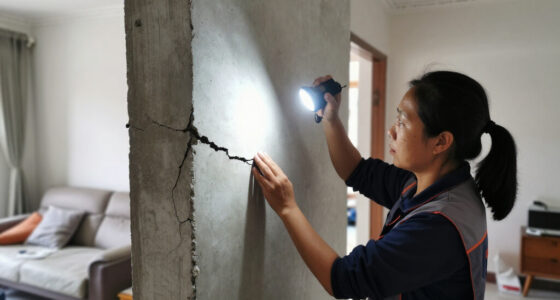
Construction materials and regulations evolved over time. After the Great Fire of Rome in 64 AD, new building codes mandated fire-resistant materials like stone and brick, and limited building heights to approximately sixty Roman feet. Despite these measures, structural vulnerabilities persisted, especially in buildings exceeding five stories, which were prone to cracks and collapse during earthquakes. The use of Roman concrete, combined with brick-facing and vaulting techniques, enabled the construction of resilient, multistory insulae, although limitations remained without steel reinforcement.
Why It Matters
This discovery highlights the advanced urban planning and architectural ingenuity of ancient Rome, illustrating how early high-density living arrangements supported large populations in confined spaces. Understanding Roman insulae offers insights into the social, economic, and technological factors that shaped one of history’s greatest cities. It also informs modern discussions on urban density, fire safety, and building resilience, demonstrating that concerns about vertical living are centuries old.
Roman concrete building materials
As an affiliate, we earn on qualifying purchases.
As an affiliate, we earn on qualifying purchases.
Background
Roman insulae date back to at least the third century BC, with their development accelerating after Rome’s population growth and urbanization. The Great Fire of Rome in 64 AD prompted reforms to improve building safety and height restrictions. Roman engineers’ use of concrete and innovative construction techniques allowed for taller, more complex structures, influencing future urban architecture. Legal protections for tenants remained minimal, and structural risks persisted, especially in taller buildings.
“An ox is reported to have climbed up of its own accord to the third story of a house, and then, frightened by the noisy crowd which gathered, it threw itself down.”
— Historian Livy
“He proceeded to buy slaves who were architects and builders, snapped up fire-damaged buildings, and used his slaves to rebuild them and profit.”
— Plutarch
“With the present importance of the city and the unlimited numbers of its population, it is necessary to increase the number of dwelling-places indefinitely.”
— Vitruvius
What Remains Unclear
It is not yet clear how widespread the earliest insulae were in other Roman cities outside Rome, or the precise timeline of their development across different regions. Detailed archaeological evidence from the third century BC is limited, and much understanding relies on textual sources and later excavations.
What’s Next
Ongoing archaeological excavations and research aim to uncover more about the earliest insulae, their construction techniques, and social dynamics. Future studies may clarify regional variations, the evolution of building codes, and the impact of insulae on Roman urban life.
Key Questions
When did Roman insulae first appear?
Historical records and recent excavations suggest that insulae may have existed as early as the third century BC, with widespread use in Rome by that time.
How tall were Roman insulae?
Most insulae ranged from three to eight stories, with height restrictions imposed after the 64 AD fire, roughly limiting buildings to about sixty Roman feet (around 18 meters).
What materials did Romans use to build insulae?
Romans primarily used concrete mixed with volcanic ash, brick-facing, and vaulted techniques to create durable, fire-resistant, multistory buildings.
Were insulae safe to live in?
While innovations improved safety, structural vulnerabilities remained, especially in taller buildings prone to cracks and collapse during earthquakes or fires. Legal protections for tenants were minimal.
Did the Romans have fire safety regulations for insulae?
Yes, after the Great Fire of Rome, regulations mandated fire-resistant materials and limited building height, but enforcement was variable, and risks persisted.
Source: Hacker News
Columbus Day / Indigenous Peoples' Day Picks
long weekend sales
As an affiliate, we earn on qualifying purchases.