
TL;DR
Play games included with Prime
Start a Prime free trial and play with Amazon Luna on your devices.
As an affiliate, we earn on qualifying purchases.
This article provides a detailed guide on how to use various types of sod cutters—manual and motorized—for lawn removal. It explains which tool suits different projects, safety tips, and next steps for DIY landscaping.
Homeowners and landscapers looking to remove or replace sections of lawn can now rely on detailed instructions and expert advice on how to use different types of sod cutters effectively and safely.
Sod cutters come in three main types: square-edge hand sod cutters, manual kick plows, and motorized walk-behind sod cutters. The choice depends on the project size, budget, and physical capability. Manual tools like the square-edge spade are suitable for small patches, while larger areas benefit from motorized cutters that can quickly remove extensive sections of sod.
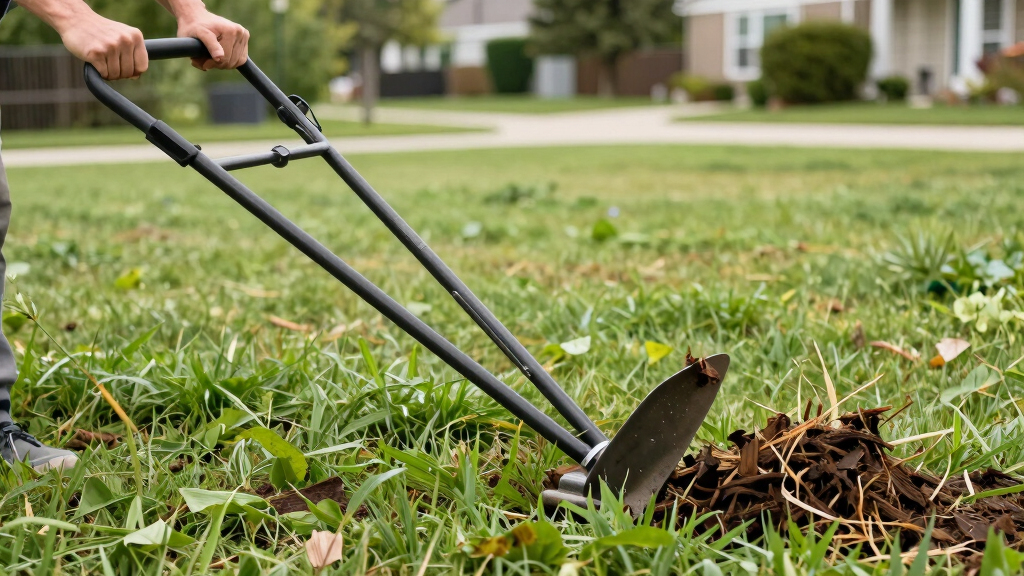
For small patches or edging, a square-edge spade, resembling a large shovel, is recommended. It involves pushing the blade under the sod with your foot to lift and remove the grass. For medium-sized projects, a manual kick plow, which resembles a small plow operated by foot kicks, can remove longer strips of sod with less effort than a spade. For large-scale projects, renting a gas-powered walk-behind sod cutter is advised, as it can cut 18 inches wide and cover large areas efficiently, reducing physical strain.
Safety is paramount when operating sod cutters. Operators should wear closed-toed shoes, safety glasses, and ensure utility lines are marked before starting work. It is also important to clear the area of rocks, sticks, and debris to prevent accidents and ensure a clean cut.
Practical Benefits of Proper Sod Cutter Use
Using the correct type of sod cutter and following safety procedures can significantly reduce labor time and physical effort, making lawn renovation projects more manageable. Proper use minimizes damage to underlying soil and ensures cleaner, more precise removal of grass patches, which is essential for successful landscaping or garden installation.
As an affiliate, we earn on qualifying purchases.
Types of Sod Cutters and Their Applications
Sod cutters have evolved from manual tools to powerful motorized machines. Manual options like the square-edge spade and kick plow are affordable and suitable for small projects, while gas-powered walk-behind cutters are ideal for large areas. Experts recommend renting rather than buying for occasional use, with costs ranging from $15 to $150 per day depending on the tool.
Previous guidance from industry professionals emphasizes safety and proper preparation, including measuring, marking, and clearing the work area before starting. This ensures efficient and safe operation, reducing the risk of injury or property damage.
“For a homeowner, I’d recommend a walk-behind gas-powered sod cutter that you can rent from Home Depot. It covers large areas quickly and reduces physical effort.”
— John Gualtiere, president of Hudson Landscape Contractors & Tree Care Specialists
Unclear Aspects of Sod Cutter Operation and Safety
While general guidelines exist, specific instructions for operating different models, especially newer or less common types, are still developing. Details about optimal cutting depths for various soil conditions and the best maintenance practices for prolonging tool life are also not fully established.
Additionally, some users question the safety measures required when operating large, motorized cutters in confined spaces, and whether additional protective equipment is necessary in specific scenarios. Further expert guidance may be needed for these aspects.
Next Steps for DIY Lawn Renovation Projects
Homeowners and landscapers should assess their project size and choose the appropriate sod cutter type accordingly. Renting equipment from reputable sources like Home Depot is recommended, along with reviewing safety tips and preparing the work area. Future updates may include detailed operating tutorials and safety checklists for various models.
Key Questions
What safety gear should I wear when using a sod cutter?
Always wear closed-toed shoes, safety glasses, and gloves. Ensure the work area is clear of debris and utility lines are marked before operating the machine.
Can I use a manual sod cutter for large projects?
Manual sod cutters like kick plows are suitable for projects up to 500 square feet. For larger areas, renting a motorized cutter is more efficient and less physically demanding.
How deep should I cut with a sod cutter?
Most sod cutters operate at a depth of 1 to 2 inches below the grass root level. Adjust the machine according to the soil and project requirements.
Is it necessary to call utility companies before using a sod cutter?
Yes, always call 811 or submit an online request to have utility lines marked to prevent accidental damage or injury during operation.
What should I do after removing the sod?
Remove debris, level the soil if necessary, and prepare the area for planting or new sod installation.
Source: Bob Vila
Fall Picks
fall essentials
As an affiliate, we earn on qualifying purchases.