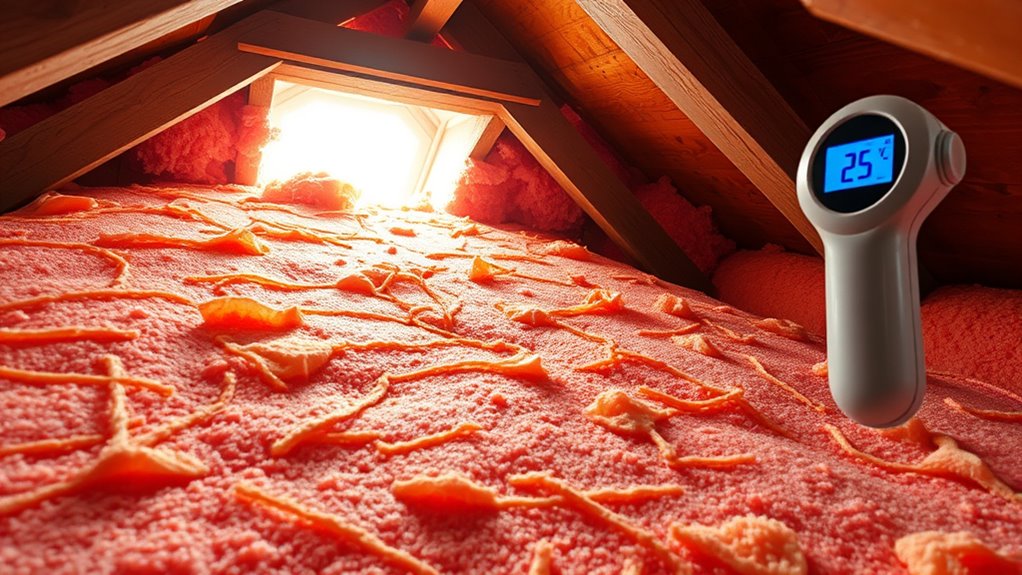

Upgrading your home’s insulation boosts energy efficiency, helps keep temperatures stable, and cuts heating and cooling costs. Choosing the right materials like spray foam or rigid foam boards with high R-values guarantees better thermal resistance and fewer air leaks. Proper installation is key—seal gaps and cover all areas thoroughly. If you want to learn how to maximize your insulation upgrades and save even more, you’ll find useful tips below.

Get furniture and decor delivered free with Prime
- Fast, free delivery on millions of items
- Prime Video, Amazon Music and more included
- Member-only deals all year
Key Takeaways
- Choose high R-value insulation materials like spray foam or rigid foam boards for better thermal resistance.
- Properly install insulation to eliminate gaps, compression, and air leaks that reduce efficiency.
- Seal around fixtures, corners, and edges with weatherstripping or caulking to enhance airtightness.
- Focus on key areas like attics, walls, floors, and basements to prevent heat loss effectively.
- Upgrading insulation reduces energy bills, improves home comfort, and lowers HVAC system strain over time.
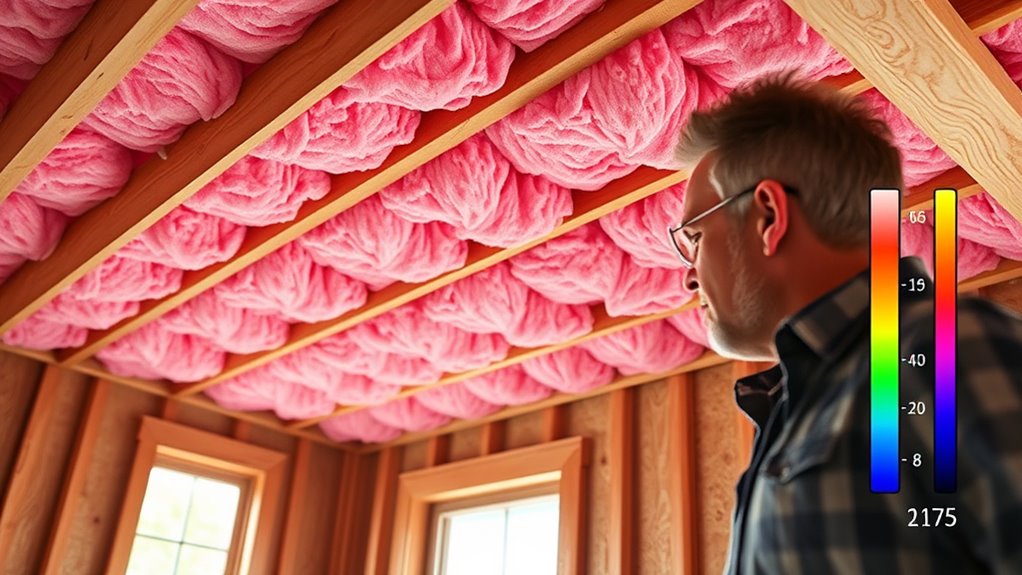
Are you looking for an effective way to lower your energy bills and improve your home’s comfort? Upgrading your insulation is a smart move that can make a significant difference. One of the main ways to achieve this is by enhancing thermal barriers within your home. Thermal barriers are designed to reduce heat transfer, keeping warm air inside during winter and outside during summer. To do this effectively, you need to focus on choosing the right insulation materials. Different options, such as fiberglass, spray foam, cellulose, or rigid foam boards, each offer unique benefits suited to various parts of your home.
Boost your home’s comfort and savings with the right thermal barriers and insulation choices.
When considering insulation materials, think about how they perform in terms of R-value, which measures their thermal resistance. Higher R-values mean better insulation. For instance, spray foam tends to have a higher R-value per inch compared to fiberglass batts, making it ideal for sealing gaps and creating a continuous thermal barrier. Fiberglass remains a popular choice because it’s affordable, easy to install, and has decent thermal resistance. Cellulose insulation, made from recycled paper, offers good air sealing properties and is environmentally friendly. Rigid foam boards are excellent for insulating exterior walls, basements, or attic spaces, providing a solid thermal barrier that prevents air leaks. Incorporating automation in insulation installation can improve efficiency and ensure consistent coverage.
Proper installation is just as important as choosing the right insulation materials. If insulation isn’t installed correctly, gaps, compression, or voids can compromise the thermal barrier, allowing heat to escape or enter unnecessarily. Ensure that insulation is evenly distributed and fitted snugly around fixtures, pipes, and corners. Sealing leaks with weatherstripping or caulking complements your insulation upgrade, creating an airtight environment that keeps your home’s temperature steady and reduces strain on your HVAC system.
Upgrading insulation isn’t just about adding more material; it’s about enhancing the overall thermal barrier of your home. This means addressing areas like attics, walls, floors, and basements where heat loss typically occurs. An effective upgrade lowers your energy consumption because your heating and cooling systems don’t have to work as hard to maintain the desired temperature. Over time, these savings can add up, making your home more eco-friendly and reducing your utility bills.
high R-value spray foam insulation
As an affiliate, we earn on qualifying purchases.
As an affiliate, we earn on qualifying purchases.
Frequently Asked Questions
How Often Should Insulation Be Inspected or Replaced?
You should inspect your insulation every 3 to 5 years to guarantee it remains effective. Look for signs of damage, moisture, or pests, which may require immediate replacement. Typically, insulation has a replacement timeline of 10 to 15 years, but it varies depending on the material and conditions. Regular inspections help catch issues early, saving you energy and money by maintaining peak insulation performance.
What Are the Environmental Impacts of Different Insulation Materials?
Have you considered how insulation choices impact the environment? Different materials, like fiberglass and foam, have varying environmental impacts. Opting for sustainable materials, such as cellulose or sheep’s wool, reduces your home’s carbon footprint and minimizes harm to ecosystems. These eco-friendly options typically require less energy to produce and are biodegradable, making them a smarter choice for a healthier planet and a more sustainable future.
Can Insulation Upgrades Qualify for Energy Efficiency Rebates?
Yes, insulation upgrades can qualify for energy efficiency rebates. When you schedule insulation installation, check if your local or federal programs offer rebate eligibility. Many programs provide financial incentives to encourage improved home insulation, reducing energy costs and environmental impact. Be sure to save your receipts and documentation, as you’ll need them to apply for the rebate. This way, you can enjoy a warmer home and some savings on your upgrade costs.
How Does Insulation Impact Indoor Air Quality?
You might think insulation only keeps your home warm, but it also affects indoor air quality. It acts as a barrier against airborne allergens and mold growth, reducing their presence and improving your air. However, if not installed properly, it can trap moisture and pollutants, making things worse. So, it’s important to choose the right insulation and guarantee proper ventilation—otherwise, you’re fighting a losing battle.
What Are the Signs Indicating Insulation Is No Longer Effective?
You’ll notice increased drafts, uneven temperatures, or higher energy bills, signaling your insulation isn’t effective anymore. If you see signs of thermal bridging or moisture accumulation, it’s a clear indicator that insulation has degraded. These issues allow heat to escape or enter, reducing efficiency and risking damage. Address these signs promptly by inspecting and upgrading your insulation to restore your home’s warmth and prevent further problems.
Conclusion
Upgrading your insulation is like giving your home a cozy blanket, locking in warmth and cutting down on energy bills. When you invest in better insulation, you’re not just improving comfort; you’re also helping the environment. Think of it as planting a seed for future savings and sustainability. So, take the step today—your home will thank you with a warmer, more efficient embrace all year round.
Fall Picks
fall essentials
As an affiliate, we earn on qualifying purchases.