
TL;DR

Get furniture and decor delivered free with Prime
- Fast, free delivery on millions of items
- Prime Video, Amazon Music and more included
- Member-only deals all year
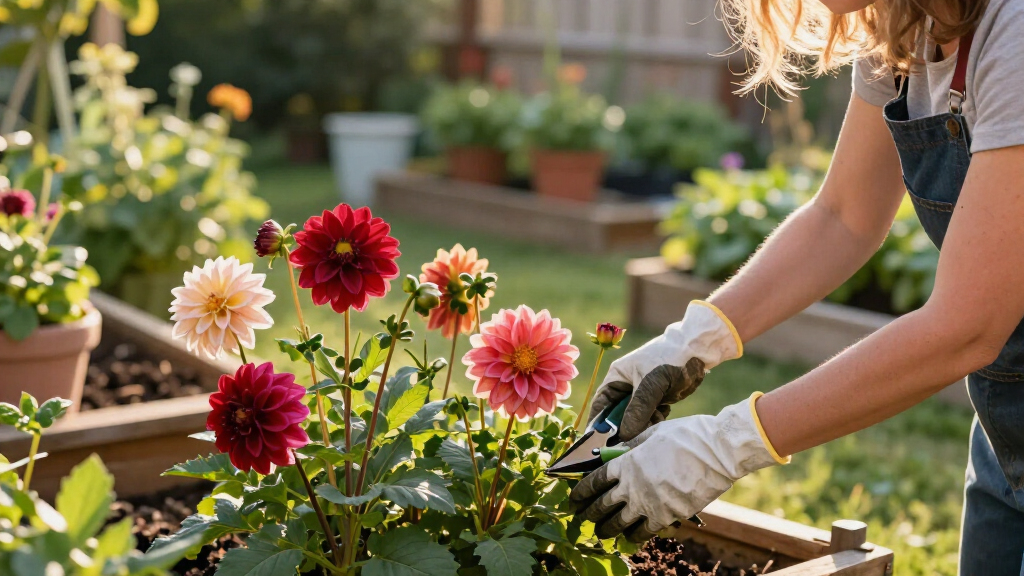
In August, dahlia gardeners should focus on deadheading, deep watering, fertilizing, and supporting tall stems. These practices are confirmed to promote larger, more abundant blooms. Proper care now ensures a vibrant display through fall.
August is the peak month for dahlias, and gardeners are advised to perform seven essential maintenance tasks to encourage larger, more vibrant blooms. These confirmed practices, including deadheading and proper watering, are crucial for maintaining healthy plants during hot, dry conditions. Experts say that following these steps can significantly extend the flowering period and improve overall plant vigor.
According to horticultural sources such as Homes & Gardens, the most important task in August is regular deadheading. Removing faded flowers prevents the plant from diverting energy into seed production, encouraging continuous blooming. Use clean, sharp pruners to cut stems back to healthy leaves or side shoots, which stimulates new growth. Deep watering once or twice weekly is recommended over light daily watering, especially in hot weather, to promote strong root development and drought resilience. For larger beds, drip irrigation systems like the Rain Bird kit can help maintain consistent moisture, while container growers should control water flow with adjustable nozzles. Fertilizing with a balanced, low-nitrogen, high-phosphorus and potassium fertilizer—such as tomato plant food—supports ongoing flowering. Supporting tall stems with stakes and flexible ties prevents damage from wind and storms, which are common in August. Lastly, monitoring for pests like aphids, slugs, and earwigs is essential, as warm weather creates ideal conditions for infestations. Early detection and treatment with products like Bonide Captain Jack’s Dead Bug Brew can prevent major damage.
Peak dahlia season · August field guide
I Never Skip These 7 Dahlia Jobs in August
They are the practical secret to bigger blooms that keep arriving until frost: remove spent flowers, water deeply, feed for flowers, protect tall stems, and stay ahead of late-summer stress.
Essential jobs
7
Deep watering
1–2×
Deadhead rhythm
2–3 days
Target finish
Frost
The August checklist
Seven small jobs. One long season of flowers.
August is when dahlias are blooming hard while coping with heat, dry soil, humidity, wind and hungry pests. Consistency matters more than complicated treatment.
Deadhead before seed forms
Inspect plants every few days. Follow each faded flower stem down and cut back to a healthy leaf pair or side shoot with clean, sharp pruners. This redirects energy toward fresh buds.
Water deeply
Give garden beds a thorough soak once or twice weekly in hot, dry weather. Deep watering encourages resilient roots; light daily sprinkles do not.
Feed the flowers
Choose a low-nitrogen feed with more phosphorus and potassium, such as tomato fertilizer. Too much nitrogen favors leaves over blooms.
Recheck supports
Secure tall varieties to sturdy stakes with flexible ties. Leave room for stem growth and add support before wind or heavy rain arrives.
Patrol for pests
Check buds, leaf undersides and new growth for aphids. Inspect flowers and soil level for slugs, snails and earwigs. Act while damage is localized.
Remove damaged growth
Clear yellowing, broken or diseased leaves and discard affected material. An open, tidy plant dries faster after rain and is easier to inspect.
Cut blooms—and keep checking containers
Harvesting open flowers serves the same productive purpose as deadheading. Container dahlias dry faster than beds, so test their compost regularly and water when the upper layer begins to dry.
Effort versus payoff
Put your time where blooms feel it most.
A practical priority index based on direct influence on flowering, plant resilience and the urgency of August conditions.
August priority index
Technique check
The right method beats more maintenance.
Use this quick comparison to avoid common August habits that create soft growth, shallow roots or preventable stem damage.
| Job | Avoid | Do this instead | Why it works |
|---|---|---|---|
| Deadheading | — Snipping only the flower head | + Cut to a leaf pair or side shoot | Creates a clean plant and encourages productive new growth |
| Watering | — A light daily sprinkle | + Soak deeply once or twice weekly | Moisture reaches the active root zone and supports drought resilience |
| Feeding | — High-nitrogen lawn-style feed | + Low-N, higher P and K flower feed | Supports flowers without driving excessive leafy growth |
| Staking | — Tight wire or rigid knots | + Sturdy stakes with flexible ties | Prevents rubbing and leaves space for stems to expand |
| Pest control | — Treating before identifying damage | + Inspect, identify, then target | Early, specific action limits damage and unnecessary treatment |
Adjust watering and feeding to soil, rainfall, container size and local conditions.
Traceability
How August care becomes flowers until frost.
Simple working rhythm
A repeatable August routine.
Use weather and soil moisture—not the calendar alone—to decide when watering or feeding is actually needed.
How often should I deadhead?
Walk the plants every few days during peak bloom. Frequent removal prevents fading flowers from maturing into seed.
What fertilizer is best?
Use a balanced flower or tomato feed that is relatively low in nitrogen and higher in phosphorus and potassium.
How do I protect tall varieties?
Use sturdy stakes and soft, flexible ties. Check ties after rapid growth, strong wind or heavy rain.
Which pests matter in August?
Watch for aphids, slugs, snails and earwigs. Inspect frequently so a small problem does not become widespread damage.
The ideal fertilizer formula, watering interval and pest treatment depend on climate, soil, rainfall, dahlia variety and whether plants grow in beds or containers. Follow product labels and adjust to the plant’s condition.
Why August Care Is Critical for Dahlia Success
Implementing these seven care practices in August ensures dahlias produce larger, more abundant blooms that last into fall. Proper deadheading, watering, and pest management not only improve flower quality but also strengthen the plants’ overall health. This period of intensive care can determine the length and vibrancy of the blooming season, making it essential for gardeners aiming for a spectacular display. Neglecting these tasks risks reduced flowering and increased vulnerability to diseases and pests, which can compromise plant longevity.
As an affiliate, we earn on qualifying purchases.
August as Peak Dahlia Growing Season
August marks the height of dahlia blooming in many U.S. gardens, with plants showcasing a wide array of colors and forms. During this period, plants face challenges such as drought, storms, and high humidity, which can affect flowering and health. Past gardening advice from sources like Homes & Gardens emphasizes the importance of targeted maintenance during this demanding month. These recommendations build on previous knowledge about dahlia care, focusing on maximizing bloom size and duration as the season progresses toward fall.
“Regular deadheading and deep watering are proven to significantly boost dahlia flowering in August.”
— Horticultural expert from Homes & Gardens
Unconfirmed Aspects of August Dahlia Maintenance
While the recommended practices are widely supported, the exact impact of different fertilizer formulations on bloom size and longevity varies among individual garden conditions. It is also not yet clear how specific pest control products perform across different regions or dahlia varieties, and whether certain supports or staking methods are superior in storm-prone areas. Ongoing research and garden trials continue to refine these recommendations.
Next Steps for Continued Dahlia Care After August
After completing August maintenance, gardeners should monitor plants for signs of pests or disease as fall approaches. Gradually reducing watering frequency and preparing plants for dormancy are next steps. As flowering begins to decline, deadheading can be tapered, and soil nutrition adjusted to support overwintering. Planning for fall cleanup and preparing for next season’s planting are also recommended. Further advice from horticultural sources will clarify optimal strategies for extending bloom periods and overwintering dahlias in different climates.
Key Questions
How often should I deadhead my dahlias in August?
It is recommended to deadhead dahlias every few days to remove faded flowers and encourage continuous blooming throughout August.
What type of fertilizer is best for dahlias in late summer?
A balanced fertilizer low in nitrogen but higher in phosphorus and potassium, such as tomato plant food, supports sustained flowering.
How can I support tall dahlia varieties during storms?
Using sturdy stakes and flexible ties like VELCRO Garden Ties helps keep tall stems upright and prevents storm damage.
When should I stop fertilizing dahlias in the season?
Fertilizer application can be gradually reduced as flowering declines in late fall, preparing plants for dormancy.
Are there specific pests to watch for in August?
Yes, aphids, slugs, snails, and earwigs are common pests during warm weather; early detection and treatment can prevent major damage.
Source: Homes & Gardens
Fall Picks
fall essentials
As an affiliate, we earn on qualifying purchases.