
To coordinate interior and exterior styles for a seamless flow, focus on matching lighting, colors, and materials. Use similar fixtures or warm tones outdoors and indoors to create visual harmony. Extend natural materials like wood or stone across spaces to blur boundaries. Incorporate progressive elements like sliding doors or rugs to gently guide movement. By aligning these details, you’ll craft a cohesive environment that invites natural connection—exploring these ideas further helps refine your perfect indoor-outdoor harmony.

Get furniture and decor delivered free with Prime
- Fast, free delivery on millions of items
- Prime Video, Amazon Music and more included
- Member-only deals all year
Key Takeaways
- Use consistent color palettes and materials across indoor and outdoor spaces to create visual harmony.
- Incorporate seamless transition elements like sliding doors or threshold rugs to blur boundaries.
- Match lighting styles and temperatures indoors and outdoors for continuous ambiance.
- Extend flooring or natural textures from inside to outside to reinforce spatial connection.
- Design furniture and decor with cohesive styles to unify the overall indoor-outdoor environment.

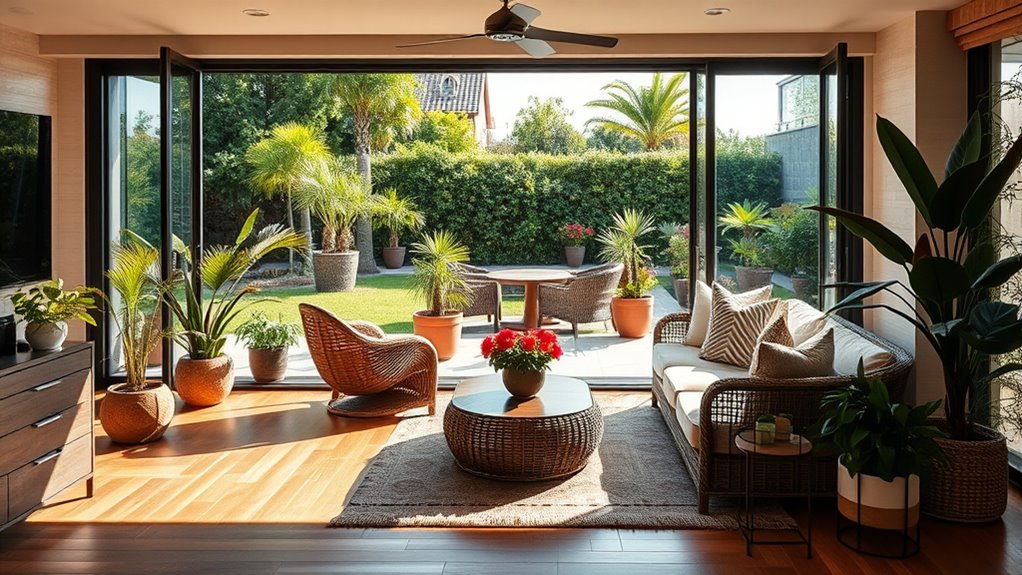
Have you ever noticed how seamless indoor-outdoor crossings can transform a space? When you create a smooth transition between your interior and exterior areas, your home feels more expansive, inviting, and connected to nature. One of the key elements in achieving this flow is thoughtful lighting design. You want to ensure that your lighting complements both spaces, guiding your eye naturally from one to the other. For example, using similar fixtures or color temperatures indoors and outdoors can help maintain visual continuity. Incorporate layered lighting—ambient, task, and accent—to highlight architectural details and create a warm, welcoming atmosphere. Soft, warm light in the evening can mimic the glow of sunset, enhancing the feeling of unity between your interior and exterior environments. Additionally, controlling lighting with dimmers allows you to subtly transition from the bright, lively daytime vibe to a cozy, intimate evening ambiance, reinforcing the seamless flow.
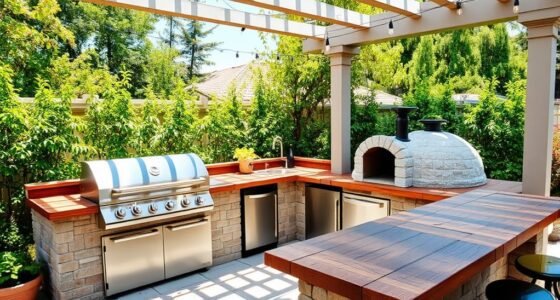
Material transitions play an equally crucial role in unifying these spaces. When selecting flooring, wall finishes, or furniture, aim for materials that complement each other or share a common palette. For instance, you might choose natural stone or wood flooring that extends from inside to outside, visually blurring the boundary and making the transition almost invisible. Consider using similar textures or colors so the eye doesn’t stop abruptly at the threshold. This continuity not only enhances aesthetic harmony but also improves functionality, as it creates a more practical and cohesive environment. When combining different materials, pay attention to scale and proportion to ensure the transition feels intentional rather than jarring. Using transitional elements such as threshold rugs, sliding glass doors, or even a change in the pattern of tiles can act as subtle cues that signal a transition without disrupting the overall design flow. To deepen the connection, incorporating material harmony through texture and color choices can further unify indoor and outdoor spaces.
Ultimately, achieving an effective indoor-outdoor flow involves aligning your lighting design and material choices to work harmoniously. By doing so, you create a space that feels unified, open, and inviting—regardless of whether you’re inside or outside. Your goal should be to craft a continuous experience, where the boundary between spaces feels fluid and natural. When lighting, materials, and transitional elements are thoughtfully coordinated, your home doesn’t just have a good design—it invites you to live in it fully. The seamless crossing becomes more than just a visual trick; it becomes an extension of your lifestyle, blurring the lines between indoor comfort and outdoor freedom.
Products Worth Considering

Ring Battery Doorbell Plus (2nd Gen) and Indoor Cam Plus Bundle, Nickel Silver and White

Philips Hue Bridge Pro Smart Lighting Hub

Philips Hue Large Smart Light Tube, Black – White and Color Ambiance LED Color-Changing Light – 1 Pack
As an affiliate, we earn on qualifying purchases.
Frequently Asked Questions
How Do I Choose Materials That Work Both Indoors and Outdoors?
To choose materials that work both indoors and outdoors, focus on landscape integration and material durability. Opt for natural stones, composite decking, or weather-resistant wood that withstands the elements while blending seamlessly with your interior design. Consider finishes that resist moisture and UV rays, ensuring longevity. By selecting versatile, durable materials, you create smooth progressions that enhance your home’s indoor-outdoor flow and maintain aesthetic harmony.
What Color Schemes Best Unify Interior and Exterior Spaces?
A picture is worth a thousand words, so choose colors that create seamless color continuity between your indoor and outdoor spaces. Opt for a neutral base with accents that echo outside, like blues or greens. Incorporate pattern harmony by repeating subtle patterns or textures. This approach unifies your spaces, making progressions fluid and inviting. Stick to cohesive color schemes for a harmonious look that feels intentional and well-balanced.
How Can Lighting Enhance Indoor-Outdoor Transitions?
You can enhance indoor-outdoor linkages by using ambient illumination to create a warm, inviting atmosphere that seamlessly connects spaces. Incorporate focal lighting, like accent or task lights, to highlight architectural features or outdoor elements, drawing the eye outward. Strategically placed lighting helps blur boundaries, making transitions feel natural and cohesive. Use dimmable options to adjust mood and guarantee the lighting complements both interior comfort and outdoor ambiance.
What Furniture Is Durable yet Stylish for Both Settings?
You’ll find that versatile furniture crafted from weather-resistant fabrics perfectly balances style and durability for both indoor and outdoor spaces. Opt for pieces with sleek lines and neutral tones to seamlessly blend your settings. Materials like teak, aluminum, or resin wicker endure the elements while maintaining a chic appearance. This approach guarantees your furniture remains inviting and resilient, creating a harmonious flow between your indoor elegance and outdoor relaxation.
How Do I Create Privacy While Maintaining Flow?
To create privacy while maintaining flow, you should incorporate landscape buffering and visual barriers strategically. Use tall plants, hedges, or trellises to block views without disrupting the seamless progression between indoor and outdoor spaces. These elements provide privacy and add aesthetic appeal, ensuring your space feels intimate yet connected. Adjust the placement to balance openness and seclusion, allowing natural light and views to flow freely while maintaining your desired level of privacy.
Conclusion
By seamlessly blending indoor and outdoor styles, you create a harmonious living space that feels spacious and inviting. Imagine stepping outside to find a 30% increase in natural light, making your home brighter and more energizing. When you coordinate your interior and exterior designs, you not only boost your home’s aesthetic appeal but also enhance your everyday comfort. Embrace this flow, and watch your living environment transform into a stunning, cohesive retreat you’ll love coming home to.