
TL;DR

Get furniture and decor delivered free with Prime
- Fast, free delivery on millions of items
- Prime Video, Amazon Music and more included
- Member-only deals all year
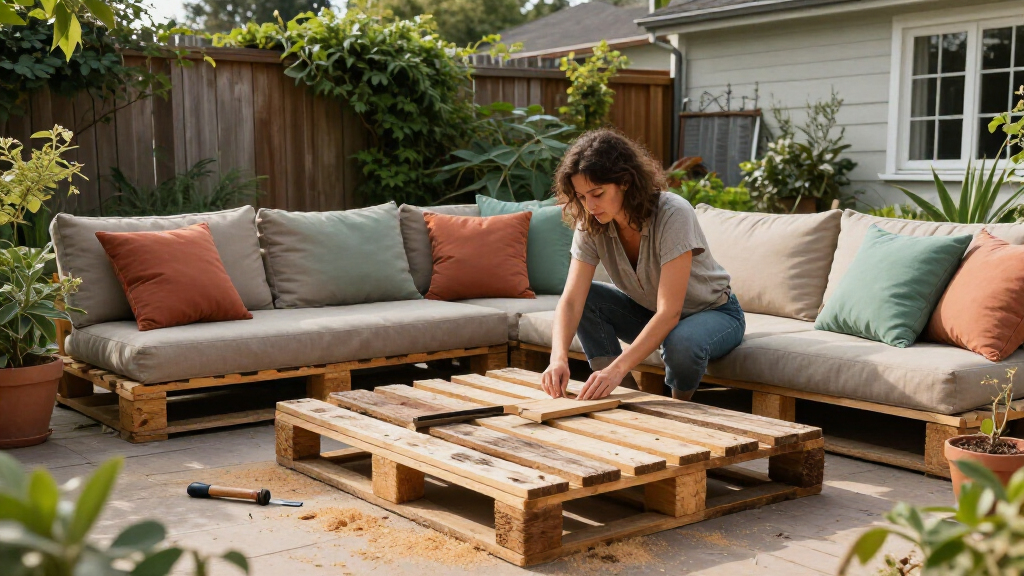
A Hunker report featured a YouTuber known as WetAndForget building a compact outdoor bar from matching wood pallets topped with concrete pavers. The project reuses reclaimed materials, but its cost, load capacity and long-term weather performance are not specified and depend on the materials and construction.
A YouTuber identified as WetAndForget made a compact backyard bar by joining matching wood pallets and topping them with concrete pavers, according to a project report from Hunker. The build offers a way to reuse suitable pallets for an outdoor entertaining area, though the report does not give a verified project cost or establish that the design is safe for every pallet or setting.
The described build uses at least two same-size pallets in good condition, concrete pavers, exterior wood screws, exterior paint with primer, and construction adhesive rated for both concrete and wood. Hunker also lists a drill, sander, cleaning cloth, paintbrush and clamps among the tools. The article says the bar can be sized to suit a space, but gives no measurements or engineering specifications.
Before assembly, the pallets should be checked for rot or contamination, and rough surfaces sanded. The report describes painting the pallets and letting the paint dry, then standing them with their backs together, aligning and clamping them, and fastening their inner boards with exterior screws. It notes that WetAndForget used at least three screws per connecting board; that is a description of this build, not a universal structural standard.
For the top, the pavers are dry-fitted with minimal overhang, then lifted so compatible landscape construction adhesive can be applied. Hunker advises setting the bar on level ground and checking that it does not rock before adding the countertop. The adhesive should dry fully before heavy items are placed on the surface. Pavers add considerable weight, the report warns, so the pallet frame and its connections must be able to support the load.
A Reuse Project With Load Limits
The project illustrates a practical form of material reuse: pallets that might otherwise be discarded can become a functional outdoor furnishing. For readers weighing a store-bought bar against a DIY option, using reclaimed wood may reduce the amount of new material needed. Hunker suggests the build could cost less than purchasing a ready-made bar, but supplies no price comparison, so savings are not confirmed.
The more important consideration is whether the materials are suitable and the finished unit stable. Pallets vary in condition and construction, while concrete pavers create a heavy top. A bar that looks finished is not automatically safe to lean on or load with drinks and equipment. Careful inspection, secure connections and a level, stable base matter more than decorative additions.
Outdoor exposure also affects upkeep. Exterior primer and paint are described as protective steps, but they do not establish how the bar will perform through repeated rain, sun or freezing weather. Owners may need to inspect the wood and fasteners and protect or move the unit as local conditions require.
As an affiliate, we earn on qualifying purchases.
How the Pallet Bar Is Built
Hunker presents the WetAndForget design as a compact, customizable bar for a patio or covered entertaining area. The core structure is made by fastening two pallets together; the pavers form the countertop. The report says a longer version could be made by building another matching unit and connecting the sections through sturdy supports.
For an extended bar, the article advises that each section support its own pavers rather than allowing countertop pieces to bridge an unsupported gap. It does not provide load calculations, a plan for particular pallet dimensions, or a tested maximum length. Suggested personal touches include a stencil on the front, hooks for towels or bags, a bottle opener, or outdoor LED lighting beneath the pavers.
The source is a how-to report, not a documented product test. It describes the materials and steps attributed to the creator, but does not report independent testing, a completed budget, or long-term results from use outdoors.
“The bar can be made “as long as you want.””
— Hunker, reporting on WetAndForget’s project
Cost and Capacity Remain Unspecified
The report does not state how much the build cost, the dimensions of the finished bar, or the weight the structure can safely hold. It also does not identify the pallets’ prior use or provide test results for their condition, the fasteners, adhesive or paver attachment. Readers should not treat the project description as a load rating or assume that any discarded pallet is suitable for food- or drink-serving use.
It is also unclear how the bar performs after prolonged outdoor exposure or whether the pictured version has been used over time. Hunker describes exterior paint and adhesive but does not report durability testing, maintenance intervals or precautions for specific climates. The article gives no publication date in the supplied source material.
Inspect Before Adding Pavers
Anyone considering the build should first confirm that the pallets are sound and clean, then check that the assembled base is firmly connected and level. Before installing the pavers, assess whether the frame can carry their weight; the source provides no calculations to substitute for that assessment. Use screws that do not leave exposed sharp points, and follow the adhesive and paint manufacturers’ instructions, including drying times.
After assembly, allow the adhesive to cure fully before loading the countertop, and inspect the structure periodically for loose connections, damage or weather-related deterioration. The report does not announce a follow-up test or further development. Any final decision about using or enlarging the design depends on the condition of the materials, construction and site.
Key Questions
What materials does the pallet bar use?
The Hunker-described build uses at least two matching pallets, concrete pavers, exterior wood screws, exterior paint with primer and adhesive rated for concrete and wood. The source also lists common tools such as a drill, sander and clamps.
Is the DIY bar confirmed to be cheaper than a store-bought one?
No specific cost is reported. Hunker says it could cost less than buying a ready-made bar, but provides no receipts, total or direct price comparison.
Can the design be made longer?
The report suggests adding another matching pallet unit and connecting it through sturdy supports. It says each section should support its own pavers, but does not specify a safe maximum length or load capacity.
What should be checked before using reclaimed pallets?
Hunker advises rejecting pallets that show rot or contamination and sanding rough edges. The report does not identify the history of the pallets used, so their condition and suitability need to be assessed individually.
When can items be placed on the paver countertop?
Only after the construction adhesive has dried fully, according to the project instructions. The pallet frame should also be stable and able to support the pavers before the top is loaded.
Source: rss
Fall Picks
fall essentials
As an affiliate, we earn on qualifying purchases.