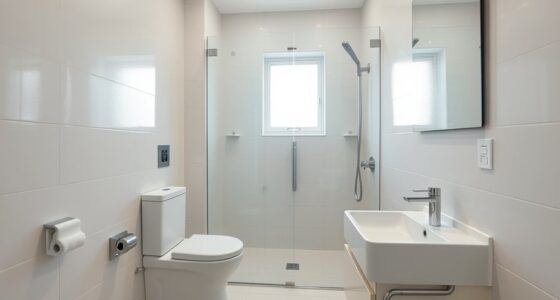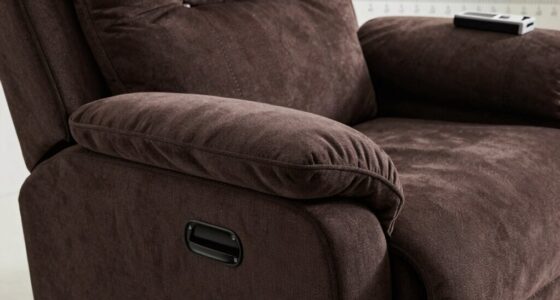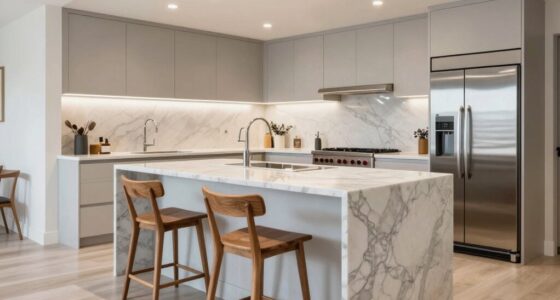
To plan a room around real life, focus on your daily routines and habits. Arrange furniture for how you naturally move and allocate space based on your most-used areas. Prioritize multifunctional furniture and keep pathways clear for efficiency. Use lighting to support your routines and choose colors that promote calm or energy. Avoid trendy clutter and instead personalize with quotes or personal touches. If you want to create a space tailored to your lifestyle, you’ll find helpful tips if you continue.

Get furniture and decor delivered free — and shop member deals
- Fast, free delivery on millions of items
- Access to Prime Big Deal Days deals on October 6–7
- Prime Video, Amazon Music and more included
Key Takeaways
- Prioritize functional routines and daily habits over aesthetic trends to create a practical, personalized space.
- Arrange furniture based on your actual movement patterns and activity zones, not just visual appeal.
- Use space efficiently with multifunctional furniture and thoughtful placement to support real-life needs.
- Choose colors and lighting that foster comfort and productivity, reflecting your mood and lifestyle.
- Keep pathways clear and clutter minimized to ensure accessibility and smooth daily flow.
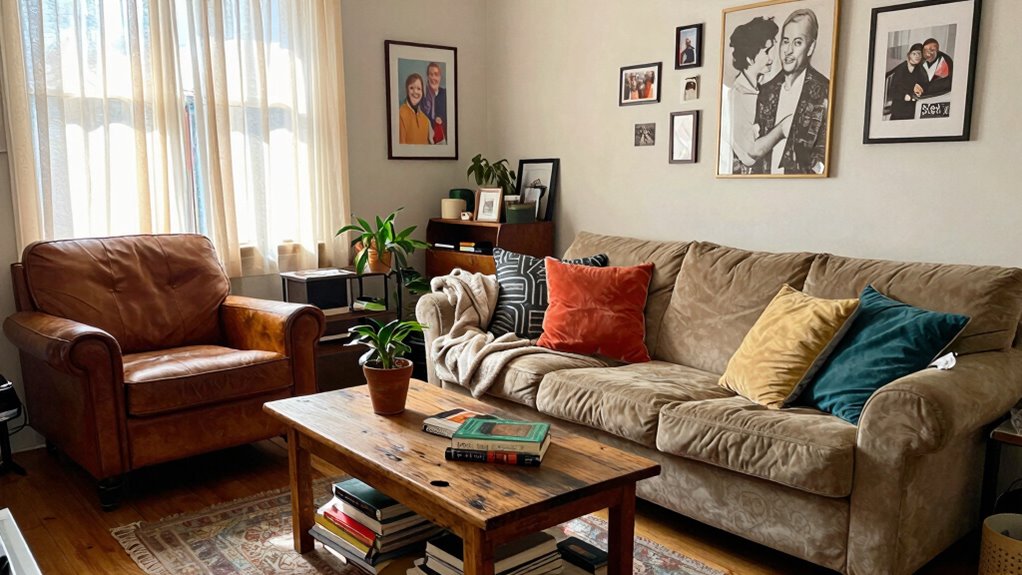
Planning a room around real life means designing a space that genuinely fits your daily routines, habits, and lifestyle, rather than following generic trends. It’s about creating a functional environment where you feel comfortable and efficient, not just visually appealing. To do this effectively, you need to focus on practical details like color coordination and furniture placement, ensuring everything serves a purpose and aligns with how you live. Incorporating inspiring quotes and life moments can also help you personalize your space, making it more meaningful and uplifting.
Design your space around your routines for comfort, functionality, and true reflection of your lifestyle.
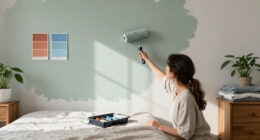
Start by considering your daily routines. Think about how you move through your space—where you spend the most time, what activities you do, and how much space you need for each task. When it comes to color coordination, pick a palette that brings you calm or energy, depending on your mood. Avoid overly bright or trendy colors that may feel overwhelming or outdated quickly. Instead, choose shades that complement your lifestyle, like soothing neutrals for relaxation or vibrant accents that energize your mornings. Keep in mind that a cohesive color scheme helps unify the room, making it easier to select furniture and décor without constantly second-guessing your choices.
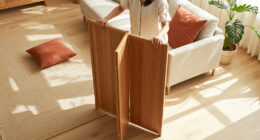
Furniture placement plays a key role in making your room functional. Don’t just follow a popular layout; instead, arrange your furniture based on your habits. For example, if you love reading in bed, position your nightstand close to where you sleep, with adequate lighting. If you work from home, dedicate a corner to your desk and organize it for efficiency. Keep pathways clear and avoid cluttered arrangements that hinder movement. Prioritizing pieces that serve multiple functions, like a storage ottoman or a fold-out sofa, can help you maximize space and utility. Additionally, considering ergonomic furniture can improve comfort and promote better posture during daily activities.
Think about the flow of your room. Is there a natural path your daily activities follow? Arrange furniture so that it supports this flow, making your space feel intuitive and accessible. For example, place frequently used items within easy reach, and keep less-used items tucked away. This minimizes unnecessary steps and keeps your room feeling organized and calming. Utilizing smart appliances like robot vacuums can also help maintain this sense of order with minimal effort. Recognizing the importance of space planning ensures your room remains practical and aligned with your lifestyle. Also, paying attention to lighting can significantly influence the ambiance and functionality of your space.
Ultimately, designing around real life means making intentional choices based on your specific needs and habits. Don’t be swayed by trends or Pinterest-perfect images. Focus on creating a harmonious balance between color coordination and furniture placement that reflects your lifestyle. When your space is tailored to how you live, it becomes more than just a pretty room—it becomes a true sanctuary that supports your daily routines and enhances your overall well-being.
As an affiliate, we earn on qualifying purchases.
Frequently Asked Questions
How Do I Incorporate Everyday Clutter Into My Design?
To incorporate everyday clutter into your design, focus on clutter management and daily organization. Use stylish storage solutions like baskets or ottomans to hide clutter while keeping essentials accessible. Designate specific spots for daily items, so they’re always in the same place. Incorporate functional furniture with built-in storage, making clutter less noticeable. This approach keeps your space practical and visually appealing, reflecting your real, lived-in life rather than a perfect Pinterest image.
What Are Practical Storage Solutions for Small Spaces?
You can maximize small spaces with multi-purpose furniture and hidden storage. A sofa bed or ottoman with built-in compartments offers both seating and storage, reducing clutter. Use furniture that doubles as storage, like beds with drawers underneath or wall-mounted shelves. Incorporate hidden storage solutions such as concealed cabinets or under-stair compartments. These practical ideas help you keep essentials organized without sacrificing style, proving that clever design can transform small spaces into functional, clutter-free areas.
How Can I Prioritize Functionality Over Aesthetics?
You should focus on selecting furniture and storage that serve your daily needs first, ensuring functionality is prioritized. Incorporate decorative accents sparingly, so they don’t clutter the space or hinder use. Maintain visual balance by arranging elements thoughtfully, balancing practicality with aesthetics. This way, your room remains functional for real life while still feeling inviting, rather than overwhelmed by decoration that doesn’t serve a purpose.
How Do I Adapt My Design for Future Needs?
You adapt your design for future needs by embracing personal growth and seeking emotional comfort. You anticipate change, create flexible spaces, and choose versatile furniture to evolve with your life. You prioritize functionality, incorporate adaptable storage, and select timeless styles that grow with you. You stay mindful of your evolving habits, ensuring your space supports new routines and dreams, making your home a sanctuary for both current comfort and future aspirations.
What Are Budget-Friendly Ways to Personalize a Room?
You can personalize your room with DIY decor projects that reflect your style without breaking the bank. Use budget upgrades like thrift store finds, spray paint, or simple craft supplies to transform old items into unique pieces. Add personal touches with handmade artwork or customized accessories. These affordable strategies let you create a space that feels truly yours, blending creativity and practicality while staying within your budget.
Conclusion
Remember, designing a room around your real life guarantees it’s functional and truly yours. Don’t forget, a recent survey found that 78% of people feel more satisfied with their space when it reflects their daily routines. So, prioritize your needs, habits, and personal style over Pinterest perfection. By doing so, you’ll create a space that feels comfortable, practical, and uniquely yours—making every inch work for your life, not against it.
Fall Picks
fall essentials
As an affiliate, we earn on qualifying purchases.