
TL;DR

Get furniture and decor delivered free with Prime
- Fast, free delivery on millions of items
- Prime Video, Amazon Music and more included
- Member-only deals all year
Dorm room organization bins are essential for optimizing tiny spaces. Compact, stackable, and multi-purpose options help students stay tidy, while eco-friendly and modular designs are trending. Choose based on durability, size, and versatility to create an efficient, personalized space.
Choose size and material based on what you need to store and your dorm’s space constraints.
Stackable, multi-purpose bins save space and add function—think seats, side tables, or storage chests.
Eco-friendly options are now affordable and help reduce waste—look for recycled or biodegradable materials.
Label everything clearly to avoid chaos—use labels, chalkboard surfaces, or color coding.
Regular cleaning and ventilation keep your bins odor-free and in great shape.
Why Your Dorm Needs the Right Storage Bins Now
In a tiny dorm room, every square inch counts. Durable, versatile bins help you organize clothes, snacks, and school supplies without clutter. Imagine pulling out a clear plastic bin filled with your favorite snacks, easy to spot and reach. That’s the power of well-chosen storage. Multi-purpose bins can double as seats or side tables, saving space and adding style.
Think about a student who stored textbooks in a collapsible fabric bin under the bed, freeing up their desk area. These simple tricks make a big difference. The key? Pick bins that are sturdy, lightweight, and fit your specific needs.
As an affiliate, we earn on qualifying purchases.
Top Features to Look for in Dorm Bins
When choosing dorm storage bins, focus on five key aspects:
- Size & Capacity: Fit under beds, inside closets, or on shelves. Usually, sizes range from 6 to 20 gallons.
- Material & Durability: Plastic and reinforced fabric last longer, withstand transport, and resist spills.
- Portability: Lightweight, with handles or wheels, makes moving in and out a breeze.
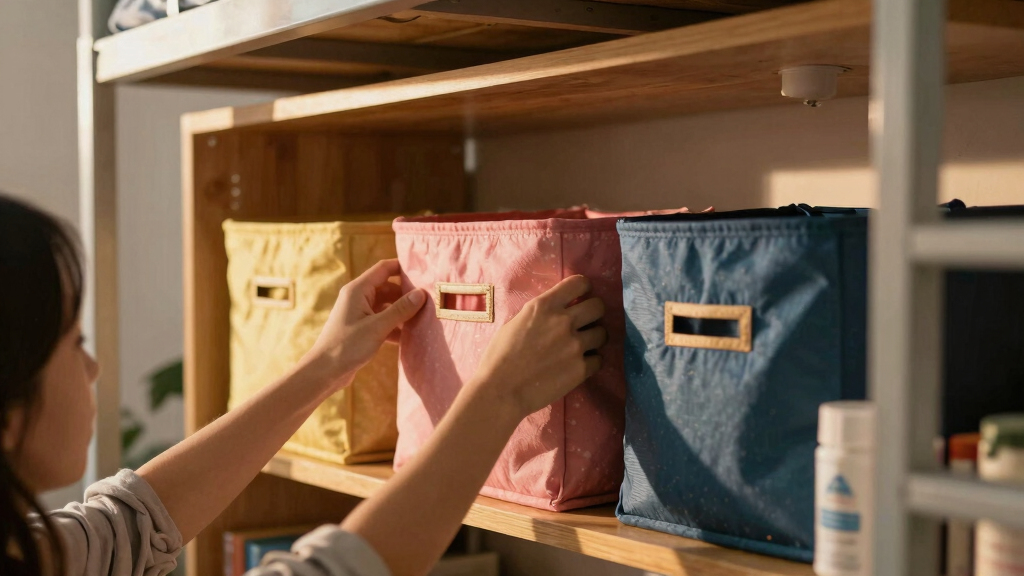
- Design & Aesthetics: Neutral tones or customizable options help match your decor.
- Ease of Access & Stackability: Open tops, lids, or drawstrings facilitate quick access and vertical storage.
Understanding these features is crucial because they directly influence how well your storage solutions will serve you over time. For example, choosing a lightweight, stackable plastic bin ensures durability and ease of handling, especially when moving or reorganizing. Conversely, opting for fabric bins might offer a softer aesthetic, but they often compromise on longevity and spill resistance. Recognizing the tradeoffs between materials and features allows you to select bins that balance practicality with style, ensuring your investment is both functional and aligned with your preferences.
What’s New in Dorm Room Bins? The Latest Trends
Recent innovations are making dorm bins smarter, greener, and more adaptable. Eco-friendly materials like recycled plastics and biodegradable fabrics are gaining popularity. These materials not only reduce environmental impact but also often come with enhanced durability, which means your bins can withstand the rigors of dorm life longer, saving you money and hassle over time. For instance, biodegradable bamboo fiber bins are not only sustainable but also naturally resistant to pests and moisture, which is essential in humid environments. This dual benefit of eco-friendliness and durability means you get long-lasting storage that aligns with your values without sacrificing performance.
The rise of modular and stackable systems allows students to customize their storage to meet evolving needs. Interlocking bins can be rearranged or expanded, offering flexibility that traditional storage solutions lack. This adaptability reduces the need for multiple, mismatched containers, streamlining your space and reducing clutter. Tech features like built-in charging ports or LED labels are transforming bins into multifunctional hubs—supporting device charging, organization, and personalization—all while maintaining a sleek look. Personalization options such as removable labels or chalkboard surfaces further enable you to create a space that reflects your personality and stays organized at the same time.
Finally, multi-functional designs—such as bins that can convert into ottomans or bedside tables—offer dual functionality without sacrificing style or taking up additional space. These features exemplify how dorm storage can be both practical and expressive, turning a simple container into a statement piece that complements your lifestyle and personality.
Compare the Best Dorm Bins: Which One Fits Your Style?
| Feature | Plastic Bins | Fabric Bins | Collapsible Bins |
|---|---|---|---|
| Durability | High, especially with reinforced sides | Moderate, prone to wear over time | Variable, depends on material |
| Weight | Lightweight | Very light | Very light, collapses flat |
| Ease of Cleaning | Simple wipe-down | Spot clean only | Easy to clean when expanded |
| Design & Customization | Opaque, labels help | Colorful, fabric covers | Limited, but foldable for storage |
This comparison helps you weigh durability against convenience. Recognizing these tradeoffs is crucial because choosing the right bin depends on your specific priorities. For instance, if you need a bin that can withstand rough handling and frequent use, plastic options are more suitable despite being less flexible. Conversely, fabric bins might offer a softer aesthetic and easier storage when not in use, but they may wear out faster or be less resistant to spills. Understanding these tradeoffs helps you select a solution that balances longevity, ease of use, and style for your particular dorm environment.
How to Pick and Use Dorm Bins Without Losing Your Mind
- Assess Your Needs: What do you need to store? Clothes, snacks, books? Choose sizes accordingly. Recognizing the specific items you plan to store helps you avoid buying overly large or insufficiently sized bins, which can lead to wasted space or constant rearranging. Think about how often you access each item and whether you prefer bins that are easy to open or ones that can be stacked out of sight. This understanding ensures your storage solutions support your daily routines and minimize frustration.
- Measure Your Space: Under-bed clearance, closet depth, shelf height—know before you buy. Precise measurements prevent purchasing bins that won’t fit, saving you money and hassle. Additionally, understanding the dimensions helps you plan for future needs, such as expanding your storage or reorganizing as your belongings change. Accurate measurements also allow you to maximize vertical space, which is critical in small dorm rooms where every inch counts. This foresight ensures your storage solutions are efficient, adaptable, and avoid the common pitfall of buying bins that don’t fit or are inconvenient to access.
- Pick Versatile Options: Multi-purpose, stackable, and lightweight bins work best. Versatility isn’t just about convenience; it’s about creating a flexible environment that can adapt as your needs change. For example, a bin that doubles as a laundry hamper and a storage container for seasonal clothing reduces clutter and minimizes the number of containers you need. Modular designs allow you to reconfigure your storage setup as your collection of belongings grows or your priorities shift, making your dorm space more adaptable and less stressful to manage.
- Label Everything: Use stickers or chalkboard labels for quick identification. Proper labeling is more than just an organizational tip; it’s a time-saver that prevents frustration. When you can easily identify the contents of each bin, you spend less time rummaging and more time focusing on your studies or social life. Clear labels also help maintain order over time, especially when multiple people share the space. Using color-coded labels can further enhance this system, making it intuitive and visually appealing, which encourages consistent use and keeps your space looking tidy.
- Optimize Vertical Space: Stack bins or use wall-mounted hooks to keep surfaces clear. Vertical storage solutions are essential in small rooms because they maximize the use of often-underutilized wall space. Stacking bins not only increases capacity but also keeps the floor clear for movement and other furniture. Wall-mounted hooks or pegboards can hold bags, hats, or accessories, freeing up drawer or shelf space for other essentials. This approach makes your dorm feel more open and organized, reducing clutter and making it easier to find what you need quickly, ultimately making your space more functional and comfortable.
For example, a student used labeled, stackable bins under their lofted bed for clothes, snacks, and school supplies. Everything had a place, and nothing cluttered the desk.
Eco-Friendly Options That Don’t Break the Bank
Eco-conscious students can choose storage that’s kind to the planet without overspending. Recycled plastic bins, biodegradable fabrics, and sustainable fibers are now affordable and stylish. These options are not only better for the environment but also often feature innovative designs that enhance durability and aesthetic appeal. For example, a student swapping plastic for a bamboo-fiber bin benefits from a natural material that is both sturdy and biodegradable, reducing long-term waste. These sustainable materials often incorporate advanced manufacturing techniques, making them comparable in strength to traditional plastics while offering a greener footprint. Investing in such solutions means your storage lasts longer and aligns with your values of environmental responsibility, making it a smart, ethical choice that can save money over time.
Remember: buying less plastic and choosing sustainable options helps reduce waste and supports a greener campus. It’s a small change with a big impact, especially when many affordable options are now readily available.
Keeping Your Dorm Bins Clean & Odor-Free
Regular cleaning keeps your storage fresh and extends its lifespan. Use a damp cloth to wipe plastic bins weekly, which prevents dust and grime buildup that can attract pests or cause odors. For fabric bins, spot cleaning and airing out help maintain freshness, especially in humid conditions. Incorporating odor absorbers like baking soda sachets or activated charcoal bags inside the bins is an effective way to combat smells, especially for items like shoes, gym gear, or food wrappers. These odor absorbers work by trapping and neutralizing smells, preventing them from lingering and affecting your entire room. Ventilation features, such as small holes or mesh panels, further promote air circulation, reducing moisture buildup that can lead to mold or musty odors. Establishing a routine—like wiping down your bins every Sunday—ensures your storage remains clean, odor-free, and inviting. Consistent maintenance not only preserves the condition of your bins but also fosters good hygiene practices, keeping your dorm environment healthier and more pleasant overall.
Frequently Asked Questions
What are the best types of bins for small dorm rooms?
Compact, stackable, and multi-purpose bins are ideal. Look for lightweight plastic or collapsible fabric options to maximize space and ease of transport.How do I choose durable and safe storage bins?
Opt for BPA-free plastic, reinforced seams, and sturdy lids. These features ensure your bins last through frequent use and rough handling.Are fabric bins suitable for dorms?
Yes, especially lightweight, collapsible fabric bins that are easy to carry, fold away when not in use, and add a pop of color or texture to your space.How can I organize different items effectively using bins?
Use labeled bins for categories like toiletries, snacks, and school supplies. Stack same-sized bins and utilize under-bed storage to keep everything tidy.What are eco-friendly options for dorm storage?
Choose recycled plastic bins, biodegradable fabrics, or sustainable fibers. These options help reduce your environmental footprint while keeping your space organized.Conclusion
Your dorm room can be more than just a tiny box—it can be a well-organized sanctuary. The secret lies in choosing the right bins: durable, versatile, and suited to your style. Invest in smart storage, and your space will feel bigger, brighter, and more welcoming every day. Think of your bins as silent helpers—quietly transforming chaos into calm with every carefully chosen piece.Halloween Picks
halloween
As an affiliate, we earn on qualifying purchases.