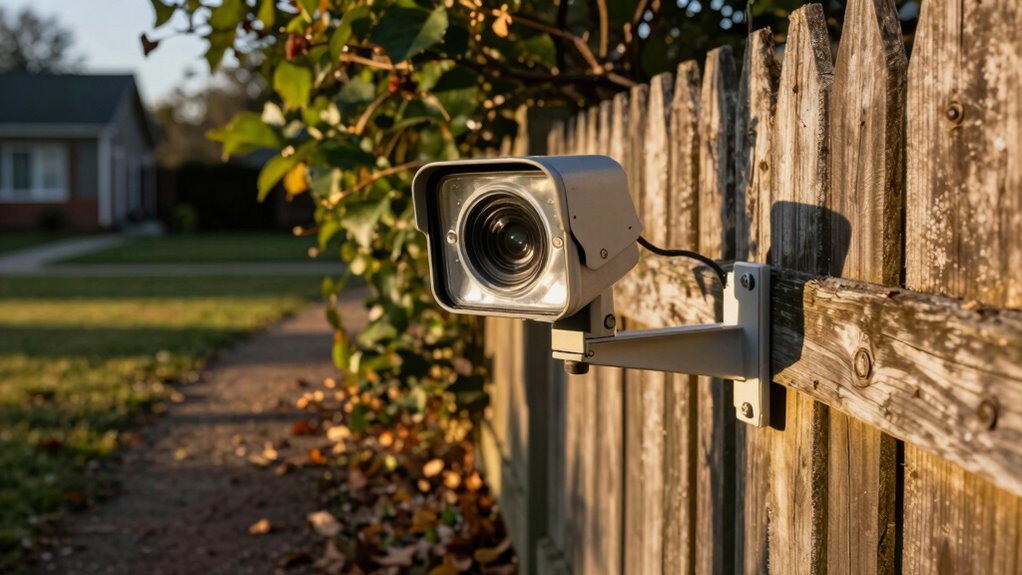

Floodlight cameras need careful mounting to really maximize their potential. Aim to install them at 8 to 10 feet high for ideal visibility and security coverage. Angle the camera slightly downward to capture more detail and avoid any obstructions. Consider your wiring route to guarantee a neat setup and stable power supply. Keep in mind local climate conditions and blend the camera into your home’s design for enhanced appeal. There’s more to discover about clever placement strategies.

Get furniture and decor delivered free with Prime
- Fast, free delivery on millions of items
- Prime Video, Amazon Music and more included
- Member-only deals all year
Key Takeaways
- Mount floodlight cameras at 8 to 10 feet for optimal visibility and coverage, ensuring they capture important details effectively.
- Angle cameras slightly downward to maximize the field of view and improve image quality by avoiding obstructions.
- Plan wiring routes carefully to ensure a continuous power supply while keeping the installation neat and protected from elements.
- Consider local environmental factors like wind and precipitation to secure mounting and ensure consistent performance over time.
- Choose camera locations that enhance both security and aesthetic appeal, aligning with the home’s architectural design for a cohesive look.
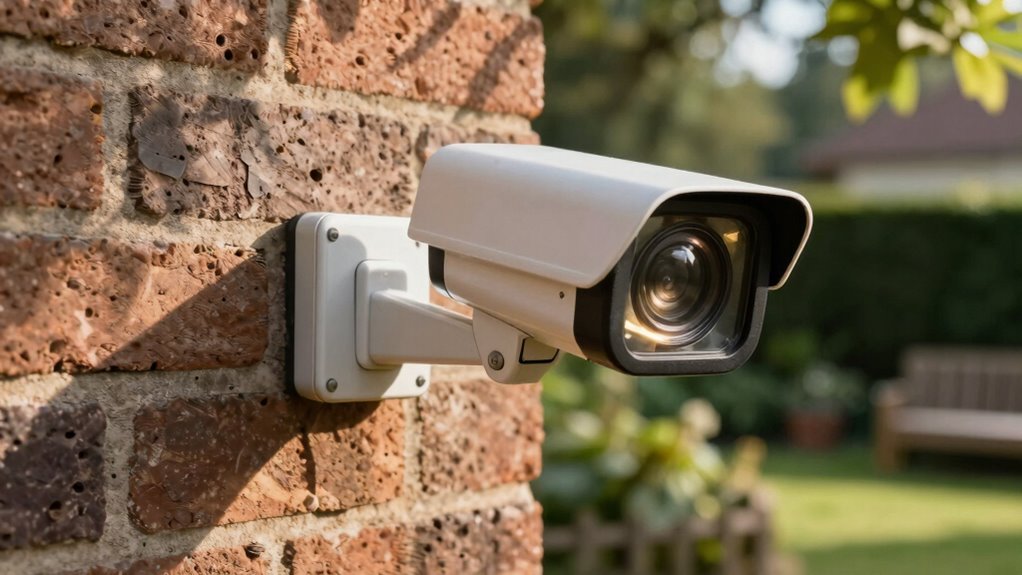
When you’re looking to enhance your home security, mounting floodlight cameras effectively can make all the difference. You might think it’s as simple as finding a spot and drilling a few holes, but there’s more to it. The right mounting height plays a significant role in capturing clear footage and guaranteeing the camera’s effectiveness. Ideally, you want to place your cameras at a height that allows them to cover a wide area without being too high to miss important details. Typically, a height of 8 to 10 feet works best, as it balances visibility and security.
To enhance home security, mount floodlight cameras at 8 to 10 feet for optimal visibility and effectiveness.
Installation angles can also affect how well the camera performs. You’ll want to angle the camera to maximize its field of view while avoiding obstructions like trees or structures that could block the lens. A slight downward tilt often helps in capturing more detail, especially if it’s aimed at areas where intruders might approach. Ensuring proper camera alignment can significantly improve image quality and coverage. Additionally, adjusting the installation angle can help optimize your camera’s performance based on specific layout needs. Considering camera placement in relation to common entry points can further enhance security coverage.
Wiring considerations are another fundamental aspect. You can’t just ignore where the power source is located. Planning your wiring route not only guarantees that your camera stays powered but also keeps your installation looking neat and professional. Use conduit where necessary to protect the wires from environmental factors such as rain or snow.
Speaking of environmental factors, think about your local climate when choosing the camera’s location. If you live in an area prone to heavy winds or storms, make sure to mount the camera securely to prevent it from swaying or being knocked out of alignment. Camera stability is essential for capturing consistent, usable footage.
Additionally, understanding your environmental factors can help determine the best mounting strategy, ensuring durability and long-term performance in various weather conditions. Don’t forget about aesthetic alignment, either. You want your floodlight cameras to blend with the architecture of your home. A well-placed camera not only enhances security but can also complement your home’s exterior. Take your time to choose a location that balances functionality with visual appeal.
Floodlight security camera mounting bracket
As an affiliate, we earn on qualifying purchases.
As an affiliate, we earn on qualifying purchases.
Frequently Asked Questions
How Do Floodlight Cameras Perform in Extreme Weather Conditions?
Floodlight cameras generally perform well in extreme weather conditions, but their effectiveness depends on their weather resistance. In extreme temperatures, make sure you choose models rated for such conditions. For installation, mount them securely and avoid direct exposure to harsh elements. Regular maintenance is key; clean the lenses and check for any damage. Following these tips will help you maintain peak performance, making certain your floodlight cameras work reliably, rain or shine.
Can Floodlight Cameras Work With Existing Security Systems?
Yes, floodlight cameras can work with existing security systems, but you might face some integration challenges. Before you buy, check for system compatibility with your current setup. Many floodlight cameras offer features that enhance your security, but not all models seamlessly integrate. It’s essential to research and verify they’re compatible to avoid any headaches later. Once properly integrated, these cameras can greatly boost your overall security.
How Do I Choose the Right Floodlight Camera for My Needs?
To choose the right floodlight camera, start by considering that 70% of burglars avoid homes with security cameras. Look for high image resolution for clear footage and reliable motion detection to alert you to any activity. Pay attention to the installation height; mounting it too low can reduce effectiveness. Also, evaluate the lighting features—adjustable brightness and color temperature can enhance nighttime visibility, ensuring you get the best protection possible.
What Is the Lifespan of a Floodlight Camera?
The lifespan of a floodlight camera typically ranges from 3 to 5 years, depending on camera durability and environmental factors. To extend its life, make sure you regularly clean the lens and check for any damage. Keeping the camera free from debris and moisture helps maintain its functionality. Also, consider using surge protectors to guard against power spikes. With proper maintenance, you can maximize your floodlight camera’s longevity and performance.
Are Floodlight Cameras Energy-Efficient?
Yes, floodlight cameras can be energy-efficient, especially if you choose models that feature smart technology. These devices often include motion sensors that activate the lights only when needed, leading to significant energy savings. By integrating with your home automation system, they can further optimize energy use. So, if you’re looking to enhance your security without inflating your energy bills, these cameras are a smart choice for your home.
Conclusion
In the end, your floodlight camera’s effectiveness hinges on its mounting strategy. Think of it as a lifeguard on duty—positioned just right, it can spot trouble before it even surfaces. Neglecting this vital step could leave you in the dark, literally and figuratively. So, take the time to plan your installation wisely; it’s not just about security, but peace of mind. After all, wouldn’t you rather have eyes everywhere when it matters most?
Halloween Picks
halloween
As an affiliate, we earn on qualifying purchases.