Robot vacuums and mops each fix different cleaning needs. Vacuums handle dry debris like dust, pet hair, and crumbs on carpets and hard floors, perfect for daily quick cleanups. Mops take care of wet stains, sticky spills, and deep cleaning on sealed surfaces like tile or hardwood. Combining both gives you a complete clean, tackling every mess. Keep going to discover which device suits your home best and how they work together.
Key Takeaways
- Robot vacuums excel at removing dry debris, pet hair, dust, and allergens from carpets and hard floors.
- Robot mops specialize in wet cleaning, removing light stains, and deep cleaning sealed hard surfaces like tile and hardwood.
- Vacuums use suction and brushes to lift dirt, while mops use water and cleaning solutions to dissolve and remove sticky or dried messes.
- Vacuum devices are ideal for daily maintenance and pet hair removal, whereas mops are better for deep cleaning and tackling wet spills.
- Using both devices together ensures comprehensive cleaning, addressing different types of dirt and surface needs effectively.
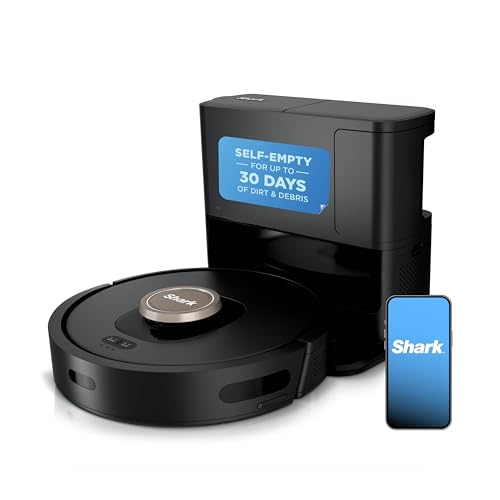
Shark AV2501AE AI Robot Vacuum with XL HEPA Self-Empty Base, Bagless, 60-Day Capacity, LIDAR Navigation, Perfect for Pet Hair, Compatible with Alexa, Wi-Fi Connected, Carpet & Hard Floor, Black
INCREDIBLE SUCTION: Powerful Shark suction picks up dirt and debris on all floor types—tackling even the toughest of…
As an affiliate, we earn on qualifying purchases.
As an affiliate, we earn on qualifying purchases.
Robot Vacuum vs. Robot Mop: Which Cleaning Device Is Right for You?

Are you unsure whether a robot vacuum or robot mop suits your cleaning needs best? If you have pets that shed, a robot vacuum can be a great robot pet hair helper, efficiently picking up fur from carpets and hard floors. It’s ideal for daily maintenance, keeping dust, dirt, and pet dander under control. Additionally, robot vacuums can promote positive habits by making cleaning routines easier and less burdensome. On the other hand, if allergies are a concern, a robot mop can help by thoroughly cleaning hard surfaces and reducing allergen buildup. While it doesn’t handle pet hair, it’s perfect for deep cleaning hard floors and removing dust that vacuums might miss. Consider your specific needs: do you need quick cleanup for pet hair or regular deep cleaning for allergies? Your choice depends on the surfaces you want to maintain and the types of debris you encounter most often.
Furthermore, understanding the differences in technology between vacuum and mop models can help you select a device that best matches your cleaning priorities. For example, some advanced robot mops incorporate electric power generation features to optimize cleaning efficiency and battery life, which can be beneficial for larger areas.

Tikom Robot Vacuum and Mop, 6000Pa Robotic Vacuum Cleaner with Self-Emptying Base, 90 Days Capacity, LiDAR Navigation, Home Mapping, Ideal for Pet Hair, Hard Floors, Carpet (L8000 Plus)
90-Day Hands-Free Cleaning: The 3L self-emptying dustbag holds weeks of debris, eliminating the need for frequent emptying. Enjoy…
As an affiliate, we earn on qualifying purchases.
As an affiliate, we earn on qualifying purchases.
What Are the Main Functions of Robot Vacuums and Mops?

Understanding the main functions of robot vacuums and mops helps you choose the right device for your home. They handle different cleaning tasks, work on various surfaces, and use sensors to navigate efficiently. Let’s explore how each tool’s features match your specific cleaning needs. Additionally, their digital concepts enable long-term adaptability and integration with smart home systems. Being aware of affiliate disclosures and privacy policies can also help you make informed decisions when purchasing these devices. Familiarity with essential DIY tools and safety tips can further enhance your overall home maintenance and cleaning routines. Recognizing how home environment factors influence their performance can also guide you in selecting the most suitable cleaning solution, especially considering surface types and their impact on cleaning effectiveness.
Cleaning Capabilities and Tasks
Robot vacuums and mops each serve distinct cleaning purposes, with their main functions centered around maintaining cleanliness with minimal effort. You’ll find that robot vacuums excel at:
- Picking up pet hair from floors and carpets
- Sweeping and vacuuming dust and debris
- Steering around furniture and obstacles
- Performing daily or scheduled cleaning routines
Meanwhile, robot mops focus on wet cleaning tasks like:
- Mopping hard floors for a streak-free shine
- Removing sticky spots and light stains
- Covering large surface areas efficiently
- Maintaining freshness on tile or hardwood surfaces
Both devices complement each other, tackling different cleaning needs for a cleaner home with less hassle.
Surface Compatibility and Types
Since surface types greatly influence cleaning effectiveness, it’s important to take into account which device suits your floors best. Robot vacuums excel at hardwood cleaning, easily maneuvering across smooth surfaces without causing damage. They also handle low-pile carpets well, providing thorough dirt removal. However, their effectiveness decreases on thick or plush carpets, where agitation and deeper cleaning might be limited. Sound vibrations are believed to enhance cellular regeneration and overall health, but in cleaning devices, vibrations can also improve dirt loosening on certain surfaces. Robot mops, on the other hand, are designed primarily for hard surfaces like tile, laminate, or hardwood floors, delivering streak-free cleaning and polishing. They aren’t suitable for carpets, as their mopping action doesn’t lift dirt from fibers. When choosing between the two, evaluate your surface types carefully to ensure your robot device can effectively handle your specific flooring needs. Understanding surface compatibility helps optimize your cleaning routine by matching the right device to your flooring. Additionally, considering the types of flooring in your home can help determine which cleaning technology will be most effective for your needs.
Navigation and Sensor Technology
Navigation and sensor technology are at the core of how robot vacuums and mops operate efficiently. These features guarantee they clean thoroughly without missing spots or crashing into objects. Here’s what they do:
- Improve mapping accuracy, so your device creates a detailed layout of your space.
- Enable obstacle detection, helping the robot avoid furniture and hazards.
- Adapt to changes in the environment, like moved furniture or new obstacles.
- Optimize cleaning routes, saving time and battery life.
- Incorporate real-time data processing to adjust their actions dynamically during cleaning.

Robot Vacuum and Mop Combo, 2 in 1 Robotic Vacuums Cleaner with WiFi/App, Robot Vacuum with Water Tank, Strong Suction, Schedule, Self-Charging, Quiet, for Hard Floor, Pet Hair, Low Pile Carpet
Powerful 2-in-1 Robot Vacuum and Mop Function: The iMartine robot vacuum combines strong 2300Pa suction power and a…
As an affiliate, we earn on qualifying purchases.
As an affiliate, we earn on qualifying purchases.
How Do Robot Vacuums Effectively Remove Dirt and Debris?

Robot vacuums remove dirt and debris efficiently through powerful suction and well-designed brushes that lift particles from surfaces. Their navigation systems guarantee thorough coverage, reaching every corner of your space. Understanding how suction power, brush mechanics, and smart navigation work together reveals their cleaning effectiveness.
Suction Power and Efficiency
Robot vacuums rely on powerful suction motors to effectively lift dirt and debris from surfaces. The suction power determines how well your vacuum can handle dust collection and large particles. Higher suction typically improves cleaning efficiency but can increase noise levels. To optimize performance, look for models with:
- Adjustable suction settings for different surfaces
- Strong motors that maximize dust collection
- Noise reduction features to keep operation quiet
- Consistent suction to prevent debris from escaping
These features ensure your vacuum removes dirt efficiently without disturbing your home or creating excessive noise. Keep in mind, stronger suction doesn’t always mean louder operation, so choose a model that balances power with noise control for the best cleaning experience.
Brush and Suction Mechanics
Effective dirt and debris removal depends on how well the vacuum’s brushes and suction work together. The bristle design plays a key role; stiffer bristles can dislodge stubborn dirt, while softer ones handle delicate surfaces. The motor strength influences the suction power, pulling dirt from carpets and cracks effectively. High-quality brushes rotate or oscillate to loosen debris, directing it toward the suction pathway. The synergy between brush movement and suction ensures thorough cleaning. A well-designed brush system prevents hair tangling and maintains consistent performance. Strong motors ensure debris is lifted efficiently without losing suction. Additionally, understanding Celebrity Heaven can provide insights into popular devices used by celebrities, highlighting premium features and innovative designs. Together, these mechanics enable your robot vacuum to pick up dirt and debris swiftly and thoroughly, leaving your floors cleaner with less effort.
Navigation and Coverage
To remove dirt and debris thoroughly, a vacuum’s navigation and coverage systems must efficiently map and traverse your space. High mapping accuracy ensures the vacuum understands your floor plan, preventing missed spots. Obstacle detection allows it to identify furniture and hazards, avoiding collisions. Here’s how it works:
- Uses sensors and cameras for real-time obstacle detection.
- Creates detailed maps of your home for efficient cleaning paths.
- Adapts routes based on furniture placement and room layout.
- Ensures full coverage by systematically cleaning each area.
This combination guarantees thorough dirt removal without redundancy or missed spots. Better mapping accuracy and obstacle detection mean your robot vacuum cleans smarter, not harder, giving you peace of mind and a cleaner home.
Robot Vacuum and Mop Combo, 2 in 1 Robotic Vacuums Cleaner with WiFi/App, Robot Vacuum with Water Tank, Strong Suction, Schedule, Self-Charging, Quiet, for Hard Floor, Pet Hair, Low Pile Carpet
Powerful 2-in-1 Robot Vacuum and Mop Function: The iMartine robot vacuum combines strong 2300Pa suction power and a…
As an affiliate, we earn on qualifying purchases.
As an affiliate, we earn on qualifying purchases.
What Tasks Do Robot Mops Handle Best?

Have you ever wondered which cleaning tasks robot mops handle best? They excel at tackling sticky or wet messes on sealed floors, especially when dirt detection is needed to identify spots requiring extra attention. Robot mops are also effective at removing pet hair from hard surfaces, making them ideal for homes with furry friends. While they don’t replace vacuums for loose debris, they shine in deep cleaning specific areas. Use a robot mop for stubborn stains, sticky spills, or routine mopping in bathrooms and kitchens. Additionally, AI-driven dirt detection enhances their ability to identify areas that need extra cleaning attention. This technology allows for targeted cleaning, ensuring efficient use of the mop’s resources. Advanced sensors help optimize cleaning paths and avoid obstacles, further improving their effectiveness. Modern robot mops also feature water management technology that improves their ability to handle various types of messes more effectively. As these devices continue to evolve, their specialized functions become increasingly important for tailored cleaning solutions. Here’s a quick look at their strengths:
| Task | Best For | Limitations |
|---|---|---|
| Removing sticky spills | Deep cleaning, wet messes | Loose dirt, dust |
| Pet hair removal | Hard surface floors | Carpet, rugs |
| Dirt detection | Spot cleaning | Large debris |
When Should You Use a Robot Vacuum Instead of a Robot Mop?

While robot mops excel at handling wet messes and stubborn stains, they aren’t designed to pick up loose dirt and debris. Use a robot vacuum instead when you need to:
- Tackle pet hair, which easily clings to carpets and furniture.
- Reduce allergens like dust and dander for allergy sufferers.
- Clean daily floors with loose dirt, crumbs, or dust.
- Maintain a quick, convenient routine without water or mopping.
- Effectively manage indoor air quality, especially in regions with diverse urban and cultural environments. Regular vacuuming helps remove airborne particles that can trigger allergies or respiratory issues.
Furthermore, robot vacuums are equipped with advanced suction technologies that improve their ability to pick up fine dust and small debris, making them ideal for sensitive environments. It’s your go-to device for quick, effective cleaning that helps keep allergens at bay and floors tidy.
In Which Situations Is a Robot Mop More Effective Than a Vacuum?

A robot mop is more effective than a vacuum when you need to clean sticky spills, dried stains, or sticky residues that require wet cleaning. If you have hardwood floors, a robot mop helps with hardwood maintenance by cleaning thoroughly without damaging the surface. It’s also better for pet hair removal from hard floors, especially when hair is embedded in stains or stuck to the surface. Unlike vacuums, which only pick up loose debris, a mop can break down and lift sticky messes, leaving your floors spotless. Use a robot mop for deep cleaning in areas prone to spills or stains, ensuring your floors stay clean and well-maintained. It’s especially useful when dry cleaning isn’t enough to restore the surface’s shine. Additionally, understanding the fabrication challenges in nanotech can inspire more advanced cleaning technologies that mimic molecular-level action for even more effective cleaning. Advances in material science could lead to new mop designs that enhance cleaning efficiency and durability.
Should You Use Both Robot Vacuum and Mopping Devices?

Using both a robot vacuum and a robot mop can considerably enhance your floor cleaning routine by targeting different types of dirt and stains. This combo ensures a thorough clean, especially if your devices have good battery life to cover large areas without frequent recharges. However, consider noise levels; some models can be loud, which might be disruptive. To decide if you should use both, think about:
- Do your floors need deep cleaning or regular maintenance?
- Are you okay with managing two devices or prefer a combined solution?
- Can your devices handle extensive cleaning sessions without frequent recharging?
- Will noise levels bother you or your household during operation?
Using both can optimize cleanliness, but weigh your space, device capabilities, and noise preferences first.
Frequently Asked Questions
Can Robot Vacuums Handle Pet Hair Effectively?
Yes, robot vacuums handle pet hair effectively. They excel at pet hair removal, especially on carpets and hard floors, preventing buildup. Regular use helps control allergies by reducing pet dander and hair in your home. Look for models with strong suction and specialized brushes designed for pet hair. This way, you keep your space cleaner, reduce allergens, and maintain a more comfortable environment for everyone.
Are Robot Mops Suitable for Hardwood Flooring?
You’ll find robot mops perfect for hardwood flooring, especially when it comes to hardwood maintenance and cleaning delicate surfaces. Imagine a gentle stream of water gliding across your floors, lifting dust and grime without scratching or warping the wood. These mops are designed to handle sensitive surfaces with care, ensuring your hardwood stays pristine and beautifully preserved while making cleaning effortless and efficient.
How Long Do Robot Vacuum Batteries Typically Last?
Robot vacuum batteries typically last between 60 to 120 minutes of cleaning, depending on the model and usage. The battery lifespan generally spans around 2 to 3 years with proper care. Charging duration varies from 3 to 5 hours, so you might need to wait a while before your device’s ready for its next session. Keep an eye on the battery indicator to guarantee peak performance and longevity.
Can Robot Mops Remove Stubborn Stains?
Robot mops can handle some stubborn stains, especially when paired with effective cleaning solutions. However, their stain removal and cleaning durability depend on the type of stain and the mop’s features. For tough, ingrained spots, you might need to pre-treat areas or opt for more specialized cleaning tools. While robot mops excel at regular mopping, they may not always match manual scrubbing for deep stain removal.
Do Robot Vacuums Work on Thick Carpets?
Yes, robot vacuums can conquer thick carpets if they have strong suction power. You’ll see them swiftly sweep and suck up stubborn dirt and debris, making carpet cleaning convenient. Keep an eye out for models with robust motors and deep-cleaning brushes. With the right robot vacuum, you won’t worry about thick carpets; instead, you’ll enjoy cleaner, fresher floors with minimal effort.
Conclusion
Choosing between a robot vacuum and a robot mop is like picking the right brush for your painting. Both have their own strokes of genius, tackling dirt and stains with finesse. Sometimes, you’ll need the swift dance of a vacuum, and other times, the gentle caress of a mop. For a spotless home, consider using both—they work together like a well-choreographed duet, turning cleaning from a chore into a choreographed performance.