
Choosing the right replacement windows can dramatically lower energy bills and boost curb appeal, but the market is crowded with options that vary widely in insulation and ease of installation. For most homeowners, the Vinyl Double Hung Sliding Window (24×36, Double Pane) stands out as the best overall choice due to its balance of thermal performance and classic aesthetics. If you need specific functionality, such as emergency escape routes, the In-Swing Casement Basement Egress Window is the superior pick, while budget-conscious renovators might prefer the straightforward NOTASA Vinyl Single Hung Sliding Window. The primary tradeoff lies between the convenience of new-construction flanges and the simplicity of retrofit designs. Continue reading to see how these eleven models stack up against each other in terms of durability, energy efficiency, and installation complexity.

Get furniture and decor delivered free with Prime
- Fast, free delivery on millions of items
- Prime Video, Amazon Music and more included
- Member-only deals all year
Complete the kit


Key Takeaways
- Double-pane glass is the baseline for energy efficiency in 2027; single-pane options are rarely worth the upfront savings.
- Vinyl remains the dominant material for replacement windows due to its low maintenance and resistance to rot and corrosion.
- Basement windows require specific egress compliance, making the In-Swing Casement a critical safety choice over standard sliders.
- New-construction windows with nailing flanges offer better weather sealing but require exterior siding modification during installation.
- Standard sizes (like 36×48) are cheaper and faster to source than custom dimensions, which can add weeks to project timelines.
| In-Swing Casement Basement Egress Window (31″ W x 40″ H) |  | Best for Basement Egress | Dimensions: 31″ W x 40″ H | Frame material: Vinyl | Glass: 3/4″ insulated Low-E, argon-filled | VIEW LATEST PRICE | See Our Full Breakdown |
| Vinyl Single Hung Sliding Window 24″ x 30″ White |  | Best for Small Openings | Size: 24″ x 30″ | Frame material: Vinyl | Color: White | VIEW LATEST PRICE | See Our Full Breakdown |
| NOTASA Vinyl Single Hung Sliding Window 36″ x 48″ White |  | Best for Large Single-Hung Openings | Dimensions: 36″ W x 48″ H | Frame material: Vinyl | Glass: Double-pane insulated tempered glass | VIEW LATEST PRICE | See Our Full Breakdown |
| NOTASA Vinyl Single-Hung Sliding Window, 32 x 36 in, White |  | Best Mid-Size Single-Hung Pick | Window size: 32 x 36 inches | Frame: Vinyl with reinforced framing | Glass: Double-pane insulated tempered glass | VIEW LATEST PRICE | See Our Full Breakdown |
| NOTASA Vinyl Double Hung Sliding Window 36×48, Double Pane Glass, White |  | Best for Flexible Ventilation | Size: 36 x 48 inches | Frame material: Vinyl | Glass: Double-pane tempered insulated glass | VIEW LATEST PRICE | See Our Full Breakdown |
| NOTASA Vinyl Basement Sliding Window 48″ x 24″ White |  | Best for Egress & Security | Dimensions: 48″ x 24″ | Material: Vinyl, PVC-coated steel, Tempered Glass | Glass Type: Double-Pane Tempered | VIEW LATEST PRICE | See Our Full Breakdown |
| NOTASA Vinyl Double Hung Sliding Window 36×36, Double Pane Glass, White |  | Best for Flexible Ventilation | Size: 36×36 inches | Material: Vinyl | Glass Type: Double Pane Tempered Glass | VIEW LATEST PRICE | See Our Full Breakdown |
| NOTASA Vinyl Single Hung Sliding Window 24″ x 36″ White |  | Best Value for Standard Openings | Dimensions: 24″ x 36″ | Material: Vinyl | Glass Type: Double-Pane Insulated | VIEW LATEST PRICE | See Our Full Breakdown |
| Vinyl Double Hung Sliding Window 24×36, Double Pane Glass, White |  | Best for Balanced Performance | Size: 24×36 IN | Manufacturer: NOTASA | Item Weight: 30.2 pounds | VIEW LATEST PRICE | See Our Full Breakdown |
| 14″ x 21″ Mobile Home Window Insulated Vinyl Low E |  | Best for Mobile Home Retrofits | Size: 14″ x 21″ | Style: Single Hung | Item Weight: 11.68 pounds | VIEW LATEST PRICE | See Our Full Breakdown |
| NOOTA 32 × 16 in. Vinyl Basement Sliding Window with Removable Flange |  | Best for Concrete Basement Openings | Brand: NOOTA | Window Size: 32 × 16 inches | Product Dimensions: 32 × 14 × 2.7 inches | VIEW LATEST PRICE | See Our Full Breakdown |
More Details on Our Top Picks
In-Swing Casement Basement Egress Window (31″ W x 40″ H)
I’d put this window first for buyers whose priority is a basement egress opening rather than a conventional replacement sash. Its in-swing casement design and left- or right-swing installation offer flexibility that the vertically sliding NOTASA windows do not, while the argon-filled Low-E glass and stated 0.27 U-Factor give it the clearest efficiency specification in this group. The vinyl frame also avoids routine painting. The tradeoff is a narrower purpose: at 31 by 40 inches, its rectangular dimensions must suit the opening and egress plan, and the listing says it is not water resistant. Unlike the NOTASA 36 x 48 single-hung window, it is not a general-purpose sliding replacement. I’d choose it for a suitable basement opening, not where water exposure or a different window style is required.
Pros:- Argon-filled Low-E insulated glass with a stated U-Factor of 0.27.
- Left- or right-swing installation provides flexibility for the opening.
- Vinyl frame does not require painting and resists rusting.
- Welded sash and powder-coated handles are specified for smooth operation.
Cons:- The listing states that the window is not water resistant.
- Fixed 31 x 40-inch rectangular dimensions restrict opening compatibility.
- Casement operation differs from the sliding style offered by the NOTASA single-hung options.
Best for: Homeowners replacing a basement window who specifically need an in-swing casement configuration and whose opening matches the listed dimensions.
Not ideal for: Buyers with an exposed or moisture-prone opening, or anyone needing a vertically sliding window or a different size.
- Dimensions:31″ W x 40″ H
- Frame material:Vinyl
- Glass:3/4″ insulated Low-E, argon-filled
- U-Factor:0.27
- Wall thickness:8 inches
- Operation:In-swing casement; left- or right-swing installation
- Color:White
- Usage:Indoor / basement
Our verdict“Choose this for a correctly sized basement egress opening where insulated glass and in-swing operation matter more than water resistance or sliding-window convenience.”
Vinyl Single Hung Sliding Window 24″ x 30″ White
For a small opening that calls for a straightforward vertical slider, this 24 x 30-inch window is the most compact choice in this batch. Its tilt-in sash lets homeowners clean both sides from indoors, a practical advantage over designs that require reaching outside. Double-pane glass is described as helping with temperature control and outside noise, and the rear drainage system is intended to direct water away rather than let it collect in the frame. Compared with the larger NOTASA 32 x 36 single-hung window, this one suits tighter openings but gives up glass area and fit flexibility for bigger spaces. The supplied details do not specify glass type beyond double-pane insulated, nor frame reinforcement. I’d check the opening dimensions carefully before choosing it; its single listed size makes it a poor fit for renovation projects needing a larger unit.
Pros:- Compact 24 x 30-inch size suits smaller openings.
- Tilt-in sash allows cleaning both sides from indoors.
- Double-pane insulated glass is described as reducing noise and improving energy efficiency.
- Rear drainage system is designed to prevent water buildup.
Cons:- Only one size is listed, limiting compatibility with other openings.
- The provided specifications do not identify the glass as tempered or give a U-Factor.
- Single-hung operation offers less ventilation flexibility than the double-hung NOTASA 36 x 48.
Best for: Homeowners replacing a compact window opening around 24 x 30 inches who want an indoor-cleaning feature and a vertical sliding sash.
Not ideal for: Buyers with larger rough openings or those who need detailed specifications for glass construction or reinforced framing.
- Size:24″ x 30″
- Frame material:Vinyl
- Color:White
- Glass:Double-pane insulated
- Operation:Single hung, vertical sliding
- Cleaning feature:Tilt-in sash
- Drainage:Rear drainage system
- Item weight:23.5 pounds
Our verdict“Pick this window for a matching small opening where tilt-in cleaning matters more than broader sizing or double-hung ventilation.”
NOTASA Vinyl Single Hung Sliding Window 36″ x 48″ White
This is the largest single-hung option among the five, making it the better match when a 36 x 48-inch opening needs a substantial window without moving to double-hung operation. The tilt-in sash supports indoor cleaning, while the included screen allows ventilation with the window open. Its double-pane insulated tempered glass and weather-resistant vinyl frame offer a more fully described package than the smaller NOTASA 24 x 30 model, though the listing does not provide a U-Factor or other quantified efficiency measure. The main compromise is that only the lower sash moves; buyers wanting airflow through both halves should compare it with the NOTASA Vinyl Double Hung Sliding Window 36×48. This unit also requires a closely matching opening, and its manual operation may not suit anyone seeking powered controls.
Pros:- Large 36 x 48-inch format suits openings that are too big for the 24 x 30 option.
- Tilt-in sash allows cleaning from inside the home.
- Double-pane insulated tempered glass and included screen are specified.
- Rear drainage and weather- and UV-resistant vinyl are described in the product details.
Cons:- Single-hung design does not provide the two-sash ventilation of the 36 x 48 double-hung model.
- Manual operation may not suit buyers seeking powered opening.
- Fixed dimensions limit use to openings that match the unit.
Best for: Homeowners with a 36 x 48-inch opening who want a large single-hung vinyl window with an included screen and indoor sash cleaning.
Not ideal for: Buyers who need both sashes to open, automated operation, or a window sized for a smaller opening.
- Dimensions:36″ W x 48″ H
- Frame material:Vinyl
- Glass:Double-pane insulated tempered glass
- Operation:Single hung, vertical sliding
- Cleaning feature:Tilt-in sash
- Drainage:Rear drainage
- Included component:Screen
- Mounting type:Inside mount
Our verdict“Choose this for a matching large opening if you want a screened, easy-to-clean single-hung window rather than two independently moving sashes.”
NOTASA Vinyl Single-Hung Sliding Window, 32 x 36 in, White
The 32 x 36-inch size gives this NOTASA a useful middle ground between the compact 24 x 30 model and the larger 36 x 48 single-hung window. I’d shortlist it when the opening rules out both of those sizes but a simple vertical slider still fits the project. Its reinforced vinyl framing, double-pane insulated tempered glass, and rear drainage outlet make it more specifically described than the smaller model, while the tilt-in sash helps with indoor cleaning. It also includes an insect screen. Unlike the 36 x 48 NOTASA double-hung, however, it has only one movable sash, so ventilation options are more limited. The sash tilts inward too, meaning it needs clear space inside the room during cleaning. This is a size-led choice, not the pick for buyers who want dual-sash airflow.
Pros:- 32 x 36-inch size fills the gap between the smaller and larger single-hung options.
- Reinforced vinyl framing and double-pane insulated tempered glass are specified.
- Tilt-in sash provides access to both glass surfaces from inside.
- Includes an insect screen and rear drainage outlet.
Cons:- Single-hung operation offers less ventilation flexibility than the 36 x 48 double-hung model.
- The inward-tilting sash needs interior clearance for cleaning.
- Fixed dimensions restrict compatibility with other opening sizes.
Best for: Homeowners with a 32 x 36-inch opening who want a reinforced-frame, single-hung window with indoor cleaning access and a screen.
Not ideal for: Buyers who need both sashes to open, lack interior clearance for a tilt-in sash, or have an opening outside this fixed size.
- Window size:32 x 36 inches
- Frame:Vinyl with reinforced framing
- Glass:Double-pane insulated tempered glass
- Operation:Single hung, vertical sliding
- Cleaning feature:Tilt-in sash
- Drainage:Built-in rear drainage outlet
- Screen:Included
- Item weight:36.9 lb
Our verdict“Choose this mid-size single-hung option when its dimensions fit and you prefer a screen and tilt-in cleaning over double-hung airflow.”
NOTASA Vinyl Double Hung Sliding Window 36×48, Double Pane Glass, White
Among these five, this is the clearest choice for buyers who want more control over airflow: both sashes slide independently, unlike the single-hung NOTASA 36 x 48, so ventilation can come from the top, the bottom, or both. It pairs that flexibility with double-pane tempered insulated glass, a fiberglass screen, a tilt-in cleaning feature, and rear drainage. That broad feature set makes it more versatile than the single-hung alternatives, but it also comes with practical costs. At 54.9 pounds, it is the heaviest unit listed here, so installation may call for extra help. Its 36 x 48-inch size also demands a matching opening, just like the single-hung version. I’d choose it for airflow flexibility, not simply because it has more moving parts; buyers who only need one movable sash may prefer a lighter single-hung window.
Pros:- Independent upper and lower sashes provide more ventilation choices than the single-hung 36 x 48 model.
- Double-pane tempered insulated glass is specified for insulation and noise reduction.
- Tilt-in cleaning feature and built-in rear drainage add practical maintenance features.
- Includes a fiberglass screen.
Cons:- At 54.9 pounds, it may require additional help during installation.
- 36 x 48-inch dimensions limit compatibility to matching openings.
- Two-sash operation may be unnecessary for buyers who prefer a simpler single-hung window.
Best for: Homeowners with a 36 x 48-inch opening who want independent upper- and lower-sash movement for more flexible ventilation.
Not ideal for: Solo installers, buyers with smaller openings, or anyone who does not need two independently opening sashes.
- Size:36 x 48 inches
- Frame material:Vinyl
- Glass:Double-pane tempered insulated glass
- Operation:Double hung; upper and lower sashes slide independently
- Screen:Built-in fiberglass
- Cleaning feature:Tilt-in sash
- Drainage:Rear drainage system
- Weight:54.9 pounds
Our verdict“Pick this for a matching large opening when independent sash control is worth the added installation weight compared with a single-hung alternative.”
NOTASA Vinyl Basement Sliding Window 48″ x 24″ White
This horizontal slider is engineered specifically for basement applications, prioritizing security and thermal efficiency. Unlike the NOTASA Vinyl Double Hung Sliding Window, which focuses on vertical airflow, this model’s sliding mechanism suits low-clearance openings where casement hinges might interfere. The double-pane tempered glass offers superior impact resistance, a critical feature for below-grade installations prone to debris. However, the fixed 48×24 inch size restricts it to standard egress openings; if your rough opening differs, you will need a different size. It is less versatile for living spaces compared to the Vinyl Double Hung Sliding Window 24×36, which offers better ventilation control for daily living.
Pros:- Tempered glass provides high impact resistance for below-grade safety
- Built-in fiberglass screen and galvanized latches enhance security
- Vinyl and PVC-coated steel frame resists corrosion in humid basements
Cons:- Horizontal slide offers less ventilation area than double hung options
- Fixed dimensions require precise rough opening measurements
Best for: Homeowners replacing basement windows who need tempered glass for safety and code compliance.
Not ideal for: Living rooms or bedrooms where vertical sliding ventilation is preferred over horizontal.
- Dimensions:48″ x 24″
- Material:Vinyl, PVC-coated steel, Tempered Glass
- Glass Type:Double-Pane Tempered
- Screen Material:Fiberglass
- Weight:40 pounds
- Color:White
- Package Dimensions:53 x 30 x 4 inches
Our verdict“Choose this for secure, insulated basement egress windows where impact resistance matters most.”
NOTASA Vinyl Double Hung Sliding Window 36×36, Double Pane Glass, White
This square double hung window stands out for its independently sliding sashes, allowing you to control airflow from both the top and bottom. This offers significantly more ventilation flexibility than the NOTASA Vinyl Single Hung Sliding Window 24″ x 36″, which only opens from the bottom. The tilt-in mechanism simplifies cleaning exterior glass from inside, a major convenience over fixed or sliding models like the NOTASA Vinyl Basement Sliding Window. However, at 45.9 pounds, it is heavier than many competitors, potentially requiring two people for installation. The square 36×36 format is also less common than rectangular options, so verify your opening shape carefully before ordering.
Pros:- Independent sash movement allows precise ventilation control
- Tilt-in design enables safe cleaning of exterior glass from indoors
- Rear drainage system prevents water accumulation in the track
Cons:- Heavy weight complicates solo installation
- Square 36×36 size may not fit standard rectangular openings
Best for: Homeowners in square openings who want maximum airflow control and easy cleaning access.
Not ideal for: DIYers working alone, as the 45.9 lb weight makes handling difficult without assistance.
- Size:36×36 inches
- Material:Vinyl
- Glass Type:Double Pane Tempered Glass
- Weight:45.9 pounds
- Color:White
- Manufacturer:NOTASA
- Package Dimensions:40 x 40 x 4 inches
Our verdict“Ideal for square window openings where you prioritize ventilation control and easy maintenance.”
NOTASA Vinyl Single Hung Sliding Window 24″ x 36″ White
This model delivers essential energy efficiency at a lower weight and complexity than the Vinyl Double Hung Sliding Window 24×36. With double-pane insulated glass, it reduces noise and utility costs effectively for most residential applications. The tilt-in sash retains the cleaning convenience found in more expensive double hung units, unlike the NOTASA Vinyl Basement Sliding Window which lacks this feature. The tradeoff is ventilation: because only the bottom sash moves, you cannot create a chimney effect for hot air escape as you can with the NOTASA Vinyl Double Hung Sliding Window 36×36. It is a pragmatic choice for bedrooms or offices where full airflow control is less critical than cost and simplicity.
Pros:- Lighter weight simplifies installation compared to double hung models
- Tilt-in sash allows for easy interior and exterior cleaning
- Double-pane glass provides solid thermal and acoustic insulation
Cons:- Single hung design limits ventilation options to the bottom sash only
- Fixed 24×36 size restricts compatibility to specific openings
Best for: Budget-conscious homeowners replacing standard-sized windows who want easy cleaning and basic insulation.
Not ideal for: Rooms needing top-down ventilation for heat release, where double hung designs perform better.
- Dimensions:24″ x 36″
- Material:Vinyl
- Glass Type:Double-Pane Insulated
- Weight:27.2 lbs
- Color:White
- Brand:NOTASA
- Package Dimensions:42 x 29 x 3.5 inches
Our verdict“A solid, cost-effective choice for standard rectangular openings where ventilation flexibility is secondary.”
Vinyl Double Hung Sliding Window 24×36, Double Pane Glass, White
Similar in size to the NOTASA Vinyl Single Hung Sliding Window 24″ x 36″, this double hung model upgrades ventilation by allowing both sashes to slide independently. This makes it a better choice for rooms that trap heat, as you can open the top to let hot air out. The built-in insect screens are a practical addition for keeping pests out while maintaining airflow, a feature sometimes missing in basic sliders like the NOTASA Vinyl Basement Sliding Window. However, it weighs 30.2 pounds, making it slightly lighter than the larger 36×36 double hung but still heavier than the single hung counterpart. The limitation lies in its single size and color option, offering less customization than broader product lines.
Pros:- Independent sashes enable adjustable top and bottom ventilation
- Integrated screens prevent insect entry without extra accessories
- Tempered double-pane glass enhances safety and insulation
Cons:- Available only in white and one size, limiting design flexibility
- Installation requires careful handling due to 30+ lb weight
Best for: Homeowners needing better airflow than single hung windows can provide in 24×36 openings.
Not ideal for: Those seeking custom colors or sizes, as this model is limited to one configuration.
- Size:24×36 IN
- Manufacturer:NOTASA
- Item Weight:30.2 pounds
- Color:White
- Part Number:24×36
- Package Dimensions:39.9 x 27.5 x 4 inches
Our verdict“Choose this for improved ventilation control in standard rectangular openings without the bulk of larger units.”
14″ x 21″ Mobile Home Window Insulated Vinyl Low E
Designed specifically for the unique framing of mobile homes, this Low-E double pane window offers superior energy efficiency for smaller rooms. The pre-drilled nail fins streamline installation into wood or vinyl walls, a significant advantage over the NOTASA Vinyl Single Hung Sliding Window 24″ x 36″ which may require more extensive framing adjustments. Its compact 14×21 inch size fits standard mobile home openings perfectly, whereas the larger NOTASA models would require significant structural modification. The tradeoff is the small footprint; it provides less natural light and ventilation than the Vinyl Double Hung Sliding Window 24×36. Additionally, careful attention to screw spacing is required to avoid deforming the frame during installation.
Pros:- Low-E glass maximizes energy efficiency for small spaces
- Pre-drilled nail fins simplify installation into mobile home walls
- Compact 14×21 size fits standard mobile home openings easily
Cons:- Small size limits natural light and ventilation compared to larger units
- Improper screw spacing during installation can deform the vinyl frame
Best for: Mobile home owners replacing small, standard-sized windows with high-efficiency glass.
Not ideal for: Site-built homes requiring larger openings or custom framing adjustments.
- Size:14″ x 21″
- Style:Single Hung
- Item Weight:11.68 pounds
- Product Dimensions:21 x 14 x 7 inches
- Color:White
- Manufacturer:Pushglossy
- Model Number:MUY-Pushglossy-0661
Our verdict“The go-to choice for mobile home owners seeking efficient, easy-to-install replacements for small windows.”
NOOTA 32 × 16 in. Vinyl Basement Sliding Window with Removable Flange
This window stands out for its removable flange system, which makes it uniquely suited for concrete block basements where traditional nailing fins are difficult to install. Unlike the NOTASA Vinyl Basement Sliding Window, which relies on standard framing, the NOOTA design allows contractors to secure the unit directly into masonry openings without extensive carpentry prep. The double tempered glass provides necessary safety compliance for below-grade installations, offering peace of mind for homeowners concerned about breakage in high-traffic storage areas.
However, the size discrepancy between the advertised 32 × 16-inch opening and the actual 32 × 14-inch frame demands precise measurement. While other models like the In-Swing Casement Basement Egress Window offer larger glass areas for emergency exit compliance, this sliding unit prioritizes ease of retrofit over maximum egress capability. It is a practical choice for utility spaces but requires careful verification of rough opening dimensions to avoid fitment issues.
Pros:- Removable flange simplifies installation in existing concrete or masonry openings.
- Double tempered glass enhances safety and resistance to impact in basement environments.
- Lightweight 18-pound frame reduces labor intensity during DIY or professional installation.
Cons:- Discrepancy between advertised size (32×16) and actual frame dimensions (32×14) requires strict measurement verification.
- Sliding mechanism offers less ventilation area compared to casement or awning alternatives.
Best for: Homeowners renovating concrete or block basements who need a retrofit solution without rebuilding wooden headers.
Not ideal for: Buyers needing certified egress windows for bedroom conversions, as this sliding design may not meet full escape code requirements.
- Brand:NOOTA
- Window Size:32 × 16 inches
- Product Dimensions:32 × 14 × 2.7 inches
- Material:Vinyl
- Glass Type:Double tempered glass
- Installation Method:Removable flange; suitable for framed or concrete openings
- Weight:18 pounds
- Included Components:Basement window, 4 removable flanges, instructions
Our verdict“This is the go-to choice for basement remodels involving concrete walls, provided you double-check the rough opening measurements.”

How We Picked
I evaluated these eleven replacement windows by focusing on three core pillars: energy efficiency, installation practicality, and long-term durability. Energy performance was assessed based on glazing type (double-pane vs. low-E) and frame material, as these factors directly impact heating and cooling costs. I also prioritized models that offer clear installation pathways, distinguishing between new-construction flanges and retrofit-ready designs, because a window that is difficult to seal properly will leak regardless of its specs. Finally, I looked for consistent build quality in the vinyl framing, ensuring the picks can withstand seasonal expansion and contraction without warping or losing their seal.
The ranking logic prioritizes versatility first. Windows that fit standard openings and offer balanced performance across multiple room types rank higher. Specialized products, such as basement egress windows or mobile home specific units, are ranked based on how well they solve their specific niche problem. Products with ambiguous installation requirements or limited size availability were placed lower, as they introduce unnecessary risk for the average DIYer or contractor.
Factors to Consider When Choosing Best Replacement Windows
Selecting replacement windows goes beyond picking a style that matches your siding. It involves understanding how the window interacts with your home’s existing structure and energy envelope.Understanding Frame Materials: Why Vinyl Dominates
Vinyl has become the industry standard for replacement windows because it offers a rare combination of affordability, durability, and thermal insulation. Unlike wood, vinyl does not rot, require painting, or succumb to insect damage, making it a low-maintenance choice for almost any climate. While aluminum frames are cheaper, they conduct heat and cold easily, leading to condensation issues and higher energy bills. Fiberglass is a premium alternative that offers greater strength and color retention, but it often comes at a significantly higher price point. For most homeowners, high-quality vinyl provides the best return on investment, especially when paired with multi-chambered frames that trap air for better insulation.
Glazing Options: Double Pane vs. Low-E Coatings
The glass itself is just as important as the frame. Double-pane glass is the minimum standard for energy-efficient replacement windows, featuring a layer of gas (usually argon) between two sheets of glass to reduce heat transfer. If you live in a region with extreme temperatures, look for Low-Emissivity (Low-E) coatings, which reflect infrared light to keep heat in during winter and out during summer. Triple-pane windows offer even better insulation but add significant weight and cost, often requiring heavier hardware. I recommend double-pane with Low-E for most climates, as it strikes the best balance between cost and performance without overwhelming the window’s mechanical components.
New Construction vs. Replacement Windows
A common mistake is buying the wrong type of window for the job. New-construction windows come with a nailing flange that attaches directly to the house framing, requiring you to remove exterior siding. This method provides the best waterproof seal but is invasive and labor-intensive. In contrast, replacement windows (or pocket windows) are designed to slide into the existing frame, preserving your interior trim and exterior siding. While replacement windows are easier and cheaper to install, they slightly reduce the glass area because they fit inside the old frame. If your existing frames are rot-free and square, replacement units are usually the smarter financial choice.
The Importance of Egress Compliance
If you are replacing a basement window, you must account for local building codes regarding egress requirements. Egress windows serve as emergency exits, meaning they must open to a specific minimum width and height and provide a clear opening area. Standard sliding or fixed windows often fail these tests. The In-Swing Casement Egress Window is specifically engineered to meet these safety standards, often including a well kit that allows the window to swing open fully without obstruction. Ignoring code compliance can lead to failed inspections and, more importantly, dangerous situations in a fire or other emergency.
Measuring Accurately to Avoid Returns
Even a small measurement error can render a window unusable. Always measure the width and height of the rough opening (the hole in the wall) or the existing frame, depending on the product type, at three points (top, middle, bottom) and use the smallest measurement. Vinyl windows expand and contract with temperature changes, so they need precise clearance to operate smoothly without binding. Many homeowners make the mistake of measuring only the glass pane instead of the frame. This oversight often leads to ordering units that are too large to fit or too small to seal properly, resulting in drafts and water intrusion.
Frequently Asked Questions
Can I replace my windows myself, or do I need a professional?
While DIY installation is possible for handy homeowners, replacing windows involves critical waterproofing steps that can lead to costly mold damage if done incorrectly. If you are installing a standard replacement window into an existing, sound frame, the process is manageable with patience and the right sealants. However, new-construction windows or egress windows with wells require structural adjustments and precise flashing that are best left to professionals. A professional installer also typically provides a warranty on the workmanship, which covers issues like air leaks or water intrusion that might not be apparent immediately.How much energy can I actually save by upgrading my windows?
Energy savings depend heavily on your current windows and climate. Upgrading from single-pane aluminum to double-pane vinyl with Low-E glass can reduce heating and cooling costs by 10-15% in extreme climates. In milder climates, the savings are lower, often closer to 5-7%. The return on investment is rarely immediate through energy bills alone, which is why many homeowners factor in improved comfort, reduced noise, and increased property value when justifying the expense. It is more accurate to view window replacement as a home efficiency upgrade rather than a pure financial investment with a quick payback period.What is the difference between a single-hung and a double-hung window?
The primary difference lies in operability. A single-hung window has a fixed top sash and a movable bottom sash, making it simpler and generally less expensive to manufacture and maintain. A double-hung window allows both sashes to move, providing better ventilation control and easier cleaning from inside the home, as most models tilt inward. Double-hung windows are preferred for bedrooms and living areas where airflow and cleaning convenience are priorities. Single-hung windows are often sufficient for upper floors where cleaning from the outside is not a concern or in budget-conscious renovations.Do replacement windows come with screens included?
This varies by manufacturer and product line. Many standard vinyl replacement windows, such as the NOTASA models reviewed here, include interior insect screens as part of the package. However, some premium or specialized units may sell screens separately or offer only exterior options. Always check the product specifications carefully before purchasing. If screens are not included, factor in the additional cost and lead time for ordering them, as mismatched screen styles can detract from the finished look of the window.How long do vinyl replacement windows typically last?
High-quality vinyl replacement windows can last between 20 and 40 years, depending on the climate and maintenance. Factors like direct sunlight exposure can cause fading or warping over time, though modern UV-resistant additives have improved longevity significantly. The seals between the glass panes (the IGU) are the most common point of failure, often lasting 15-20 years before fogging occurs. If the frame remains intact but the seals fail, some manufacturers offer seal replacement services, though full window replacement is often more practical after two decades.Conclusion
Choosing the right replacement windows comes down to matching the window’s features with your specific home needs. For the best overall balance of style, energy efficiency, and ease of cleaning, the Vinyl Double Hung Sliding Window (24×36) is my top recommendation. If you are on a tight budget but still want reliable performance, the NOTASA Vinyl Single Hung Sliding Window offers excellent value without sacrificing basic insulation. For basement renovations, the In-Swing Casement Basement Egress Window is the only choice that combines safety code compliance with functional ventilation. Homeowners in mobile homes or with unique framing should look to the 14″ x 21″ Mobile Home Window for its specialized fit. Always prioritize double-pane glass and accurate measurements to ensure your new windows perform well for decades.
Fall Picks
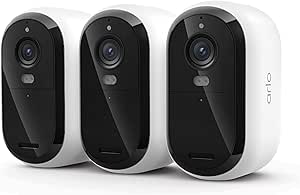
Arlo Essential Wireless Security Camera 2K (3rd Gen), 3-Camera Set with Yard Sign
As an affiliate, we earn on qualifying purchases.