
Complete the kit


Get furniture and decor delivered free with Prime
- Fast, free delivery on millions of items
- Prime Video, Amazon Music and more included
- Member-only deals all year
Key Takeaways
- Westinghouse excels in portable generators with a strong focus on quiet operation and remote start features.
- Generac is the leader for permanent, whole-home backup solutions with advanced monitoring capabilities.
- Dual-fuel models offer versatility but often come at a higher price and increased complexity.
- Higher wattage generators tend to be larger, more expensive, and better suited for whole-house backup.
- Choosing the right generator depends heavily on intended use—portable for outdoor jobs or backup for home security.
| Westinghouse 5000 Peak Watt Super Quiet Portable Inverter Generator with Remote Electric Start |  | Best Overall Portable Inverter for Versatility | Peak Watts: 5000 | Rated Watts: 3900 | Fuel Tank Capacity: 3.4 gallons | VIEW LATEST PRICE | See Our Full Breakdown |
| Westinghouse 6500 Watt Dual Fuel Portable Generator with Transfer Switch and CO Sensor |  | Best Dual Fuel for Extended Home Backup | Gasoline Watts: 5300 Running / 6500 Peak | Propane Watts: 4800 Running / 5800 Peak | Fuel Tank Capacity: 4.7 gallons | VIEW LATEST PRICE | See Our Full Breakdown |
| DuroStar DS13000MX 13,000-Watt Dual Fuel Portable Generator with Electric Start and Transfer Switch Ready |  | Best Heavy-Duty Power for Whole Home Backup | Wattage: 13,000 watts | Fuel Type: Gasoline and Propane | Tank Volume: 8.3 Gallons | VIEW LATEST PRICE | See Our Full Breakdown |
| DuroMax XP13000EH 13,000-Watt Dual Fuel Portable Generator |  | Best Dual Fuel Power for Versatile Use | Power Output: 13,000 watts (surge), 10,500 watts (running) | Fuel Type: Gasoline, Propane | Engine: 500cc OHV | VIEW LATEST PRICE | See Our Full Breakdown |
| Generac 12,500 Starting Watt Tri-Fuel Portable Generator |  | Best Tri-Fuel for Maximum Fuel Flexibility | Starting Watts: 12,500 | Running Watts: 9,500 | Fuel Tank Capacity: 7.5 gallons | VIEW LATEST PRICE | See Our Full Breakdown |
| Westinghouse 12500 Watt Dual Fuel Portable Generator with Remote Electric Start |  | Best Overall Portable Generator for Power and Flexibility | Peak Watts (Gasoline): 12500 | Running Watts (Gasoline): 9500 | Peak Watts (Propane): 11200 | VIEW LATEST PRICE | See Our Full Breakdown |
| Westinghouse 14500 Peak Watt Tri-Fuel Portable Generator with Remote Electric Start |  | Best for Extended Power During Outages or Jobsites | Peak Watts: 14500 | Running Watts: 11500 (gasoline), 13500 (propane), 12000 (natural gas) | Engine: 550cc 4-Stroke OHV | VIEW LATEST PRICE | See Our Full Breakdown |
| Westinghouse 12500 Peak Watt Tri-Fuel Portable Generator with Remote Electric Start |  | Best for Versatile Backup Power During Outages | Peak Watts: 12500 | Running Watts: 9500 (gasoline), 8500 (propane), 7500 (natural gas) | Fuel Tank Capacity: 6.6 gallons | VIEW LATEST PRICE | See Our Full Breakdown |
| Generac 22kW Whole Home Generator with Cellular Monitoring |  | Best Whole-House Automatic Backup with Remote Monitoring | Power Output: 22kW | Fuel Type: Natural Gas or Propane | Monitoring: Cellular & WiFi | VIEW LATEST PRICE | See Our Full Breakdown |
| Westinghouse 28000 Peak Watt Portable Home Backup Generator with Remote Electric Start |  | Best Heavy-Duty Portable Power for Large Homes or Job Sites | Peak Watts: 28000 | Running Watts: 20000 | Engine: 999cc V-Twin OHV | VIEW LATEST PRICE | See Our Full Breakdown |
| Westinghouse 4650 Peak Watt Portable Generator, RV Ready, Gas Powered |  | Best Overall Portable Generator | Peak Wattage: 4650 Watts | Running Wattage: 3600 Watts | Fuel Tank Capacity: 4 Gallons | VIEW LATEST PRICE | See Our Full Breakdown |
| Westinghouse 18000 Peak Watt Dual Fuel Portable Generator with Remote Start and CO Sensor |  | Best High-Power Dual Fuel Generator | Peak Watts (Gas): 18,000 | Running Watts (Gas): 14,500 | Peak Watts (Propane): 16,000 | VIEW LATEST PRICE | See Our Full Breakdown |
| Westinghouse 9500 Peak Watt Dual Fuel Portable Generator with Electric Start and CO Sensor |  | Best Backup Power for Medium Homes | Rated Watts (Gasoline): 7500 | Peak Watts (Gasoline): 9500 | Rated Watts (Propane): 6750 | VIEW LATEST PRICE | See Our Full Breakdown |
| home generator brand | Engine | Fuel Tank Capacity | Outlets |
|---|---|---|---|
| Westinghouse 5000 Peak Watt Su | — | 3.4 gallons | 120V Duplex, RV-Ready TT-30R, USB outlets |
| Westinghouse 6500 Watt Dual Fu | 274cc 4-Stroke OHV | 4.7 gallons | 120V household duplex, RV 30A, Transfer switch 30A |
| DuroStar DS13000MX 13,000-Watt | — | — | — |
| DuroMax XP13000EH 13,000-Watt | 500cc OHV | — | 2 120V GFCI protected outlets, transfer switch-ready 50A |
| Generac 12,500 Starting Watt T | 500cc Generac OHV | 7.5 gallons | Two 120V 20A GFCI, 120/240V 30A twist-lock, 120/240V 50A |
| Westinghouse 12500 Watt Dual F | 457cc Westinghouse 4-Stroke OHV | 6.6 gallons | GFCI 120V 5–20R, 120V L14-30R, 120/240V 14–50R |
| Westinghouse 14500 Peak Watt T | 550cc 4-Stroke OHV | 9.5 gallons | — |
| Westinghouse 12500 Peak Watt T | 457cc Westinghouse 4-Stroke OHV | 6.6 gallons | — |
| Generac 22kW Whole Home Genera | — | — | — |
| Westinghouse 28000 Peak Watt P | 999cc V-Twin OHV | 17.17 gallons | Four GFCI 120V, multiple 50A/30A outlets |
| Westinghouse 4650 Peak Watt Po | 212cc Westinghouse 4-Stroke OHV | 4 Gallons | Two 5–20R 120V, One TT-30R 30A RV, One L5-30R 30A |
| Westinghouse 18000 Peak Watt D | 713cc Westinghouse V-Twin OHV | — | — |
| Westinghouse 9500 Peak Watt Du | 420cc Westinghouse 4-Stroke OHV | 6.6 Gallons | — |
More Details on Our Top Picks
Westinghouse 5000 Peak Watt Super Quiet Portable Inverter Generator with Remote Electric Start
The Westinghouse iGen5000 stands out for providing reliable power in a portable, quiet design that makes it a strong contender against larger, louder models like the Westinghouse 14500 Peak Watt Tri-Fuel. Its 5000 peak watts and 3900 rated watts are sufficient for most camping or backup needs, and the remote electric start adds convenience. Compared to larger generators, its quieter operation at 52 dBA makes it suitable for residential use without disturbing neighbors. However, its weight isn’t specified, which could pose challenges for transport, especially if you’re frequently on the move. The digital display and multiple outlets ensure versatility, but the lack of detailed size and weight data requires further research for those needing portability. This generator is ideal for users wanting reliable power with minimal noise, especially for recreational or emergency backup scenarios.
Pros:- Powerful 5000 peak watts suitable for diverse applications
- Remarkably quiet operation at 52 dBA
- Remote and electric start enhances convenience
- Multiple outlets, including USB and RV-ready ports
Cons:- Weight and size details are not specified, impacting portability assessment
- Price point not disclosed, making cost comparison difficult
Best for: Homeowners and campers needing quiet, portable power with remote start
Not ideal for: Heavy-duty construction sites or those requiring frequent heavy loads, due to limited specs on weight and size
- Peak Watts:5000
- Rated Watts:3900
- Fuel Tank Capacity:3.4 gallons
- Run Time:Up to 18 hours
- Noise Level:52 dBA
- Outlets:120V Duplex, RV-Ready TT-30R, USB outlets
- Start Type:Remote, Electric, Recoil
- Warranty:3 years
Our verdict“This inverter generator is well-suited for users seeking a quiet, versatile power source for camping or emergency backup.”
Westinghouse 6500 Watt Dual Fuel Portable Generator with Transfer Switch and CO Sensor
The Westinghouse 6500 Watt dual fuel generator provides a flexible power solution with the ability to run on gasoline or propane, making it more adaptable than the DuroMax XP13000EH, which only runs on fuel. Its 5300 running watts on gasoline and 4800 on propane deliver ample power for home backup, with a runtime of up to 14.5 hours, ideal for prolonged outages. The inclusion of a CO sensor and transfer switch makes it safer and easier to connect to your home’s electrical system, a feature not standard on many portable models. Its weight and bulk, however, mean this is better suited for stationary use or where assistance with transport is available. The setup complexity and higher price point are tradeoffs for its advanced safety and dual fuel features. This model makes the most sense for users prioritizing safety and extended runtime during emergencies.
Pros:- Dual fuel capability for versatile fuel choices
- Long runtime of up to 14.5 hours
- Built-in CO sensor enhances safety
- Transfer switch compatibility simplifies home connection
Cons:- Heavy and bulky, limiting portability
- Setup can be complex for first-time users
- Higher cost compared to single-fuel models
Best for: Homeowners seeking a reliable, safe backup generator with dual fuel options
Not ideal for: Users who need portable, lightweight units for frequent transport or outdoor activities
- Gasoline Watts:5300 Running / 6500 Peak
- Propane Watts:4800 Running / 5800 Peak
- Fuel Tank Capacity:4.7 gallons
- Runtime:Up to 14.5 hours
- Engine:274cc 4-Stroke OHV
- Outlets:120V household duplex, RV 30A, Transfer switch 30A
Our verdict“This generator is best for homeowners prioritizing safety, longer runtime, and fuel flexibility during extended outages.”
DuroStar DS13000MX 13,000-Watt Dual Fuel Portable Generator with Electric Start and Transfer Switch Ready
The DuroStar DS13000MX offers impressive power with a 13,000-watt peak output, making it suitable for whole-house backup or demanding job sites. Its all-metal construction and 500cc engine supply durability and resilience, especially compared to the DuroMax XP13000EH, which shares similar wattage but may lack the same level of ruggedness. Electric start and transfer switch readiness add convenience, but its weight and size are significant considerations—it’s designed more for stationary use than portability. The large 8.3-gallon fuel tank supports extended runtime, though refilling may be needed during prolonged outages. The tradeoff for its power and durability is primarily in the form of transportability, making it ideal for fixed installations rather than frequent moving. This generator makes the most sense for users who need dependable, high-capacity backup power with a focus on longevity and safety.
Pros:- High peak wattage suitable for whole-home backup
- Durable all-metal construction for harsh conditions
- Electric start and transfer switch compatibility
- Large fuel tank for extended runtime
Cons:- Heavy and not designed for easy movement
- Setup and transportation require assistance
- Higher initial investment due to power and build quality
Best for: Homeowners or contractors needing robust, stationary backup power
Not ideal for: Owners who require lightweight, portable units for frequent transport or outdoor recreation
- Wattage:13,000 watts
- Fuel Type:Gasoline and Propane
- Tank Volume:8.3 Gallons
- Engine Displacement:500cc
- Output Wattage:13,000
- Additional Features:CO Sensor, Dual Fuel, Electric Start, Low Oil Shutdown
Our verdict“This generator is tailored for users needing a durable, high-capacity backup with minimal concern for portability.”
DuroMax XP13000EH 13,000-Watt Dual Fuel Portable Generator
The DuroMax XP13000EH strikes a balance between power and portability with its 13,000 surge watts and 10,500 running watts, comparable to the DuroStar DS13000MX but with the advantage of a lighter, more transportable frame. Its dual fuel capability enhances flexibility for outdoor or emergency use, and the all-metal construction offers durability against tough conditions, similar to other heavy-duty models. The push-button electric start simplifies operation, but the lack of specific weight data makes it difficult to gauge portability—though it’s designed with no-flat tires for easier handling. Its multiple outlets, including transfer switch-ready options, make it suitable for diverse applications. The main tradeoff is its weight, which could hinder frequent movement, but it offers excellent power for those needing a reliable, versatile generator.
Pros:- High surge and running watts for demanding loads
- Dual fuel capability for fuel flexibility
- Durable all-metal frame for severe weather resistance
- Push-button electric start for convenience
Cons:- Heavy and potentially difficult to transport
- No specific weight info provided
- Setup may require some technical knowledge
Best for: Outdoor enthusiasts, RV owners, and contractors who need powerful, dual fuel portable power
Not ideal for: Users who prioritize ultra-lightweight or compact units for easy transport
- Power Output:13,000 watts (surge), 10,500 watts (running)
- Fuel Type:Gasoline, Propane
- Engine:500cc OHV
- Outlets:2 120V GFCI protected outlets, transfer switch-ready 50A
- Construction:Heavy-duty all-metal
Our verdict“This generator offers a reliable, dual fuel solution for users needing high power with moderate portability considerations.”
Generac 12,500 Starting Watt Tri-Fuel Portable Generator
The Generac 12,500 Tri-Fuel Generator offers an impressive trio of fuel options—gasoline, propane, and natural gas—making it an excellent choice for those who want maximum versatility during power outages or outdoor use. Its automatic voltage regulation ensures stable power, surpassing many single-fuel units like the Westinghouse 12500 Watt, which lack this feature. While its 219-pound weight limits portability, it’s designed for reliable, extended use with an extended 7.5-gallon fuel tank and electric start with built-in safety features such as a CO sensor. The setup complexity may be a concern for first-time users, but the advantage of multiple fuel options makes it worth the effort. This unit is best suited for those who prioritize fuel flexibility and stable power over lightweight portability.
Pros:- Tri-fuel capability for maximum fuel flexibility
- Automatic voltage regulation ensures stable power
- Electric start with safety features like CO sensor
- Extended runtime with large tank capacity
Cons:- Heavy weight limits portability
- Setup may be complicated for beginners
- Higher price point due to advanced features
Best for: Homeowners and RV users needing flexible fuel options and stable power
Not ideal for: Those seeking lightweight, easy-to-move units for frequent outdoor use
- Starting Watts:12,500
- Running Watts:9,500
- Fuel Tank Capacity:7.5 gallons
- Weight:219 lbs
- Engine:500cc Generac OHV
- Outlets:Two 120V 20A GFCI, 120/240V 30A twist-lock, 120/240V 50A
Our verdict“This generator is ideal for users who want the flexibility of multiple fuel sources combined with reliable, stable power.”
Westinghouse 12500 Watt Dual Fuel Portable Generator with Remote Electric Start
This model stands out for its powerful dual-fuel capability combined with remote electric start, making it a versatile choice for emergency backup and outdoor activities. Compared with the Westinghouse 9500, it offers higher peak wattage and longer runtime, though it lacks specific noise level details, which could be a concern for quiet operation. Its multiple outlets, including RV and transfer switch-ready options, provide excellent versatility for various appliances. The main tradeoff is its unspecified weight, which may make it cumbersome to move, especially for users without assistance. It’s best suited for homeowners who need reliable, high-capacity backup power but are prepared for some logistical challenges in transport.
Pros:- High peak wattage on both gasoline and propane for heavy loads
- Remote electric start for convenient operation
- Long runtime up to 12 hours on a full tank
- Multiple outlets including RV and transfer switch options
Cons:- Weight not specified, potentially heavy to move
- No detailed noise level information, which could be important in residential areas
Best for: Homeowners seeking a powerful dual-fuel generator with remote start for backup power and outdoor events
Not ideal for: Small property owners or apartment dwellers with limited space or transport options, due to its likely weight and size
- Peak Watts (Gasoline):12500
- Running Watts (Gasoline):9500
- Peak Watts (Propane):11200
- Running Watts (Propane):8500
- Fuel Tank Capacity:6.6 gallons
- Run Time:Up to 12 hours
- Engine:457cc Westinghouse 4-Stroke OHV
- Outlets:GFCI 120V 5–20R, 120V L14-30R, 120/240V 14–50R
- Warranty:3 years
Our verdict“This generator is ideal for users needing high power capacity and fuel flexibility, willing to manage its transport challenges.”
Westinghouse 14500 Peak Watt Tri-Fuel Portable Generator with Remote Electric Start
This model makes the most sense for those who need long runtime and fuel versatility, thanks to its tri-fuel capability supporting gasoline, propane, and natural gas. Its 550cc engine and robust construction outperform the 12500-watt models by offering extended operation—up to 19 hours on gasoline—making it suitable for prolonged outages or demanding outdoor jobs. Compared to the 12500 Watt dual-fuel, it’s heavier and more complex to operate, which could be a drawback for beginners or portable use. While it provides ample power for heavy-duty tasks, its size and weight could limit mobility. This pick is best for professionals or homeowners who prioritize extended runtime and multiple fuel options over ease of transport.
Pros:- Versatile tri-fuel operation for maximum fuel flexibility
- Long runtime of up to 19 hours on gasoline
- Low THD safe for sensitive electronics
- Heavy-duty engine and durable build
Cons:- Heavy and potentially difficult to move
- Complex setup for first-time users
- Possible residual odor from factory testing
Best for: Professionals or homeowners needing reliable, long-lasting power in remote or demanding environments
Not ideal for: Users with limited space or who require lightweight, portable solutions for occasional use
- Peak Watts:14500
- Running Watts:11500 (gasoline), 13500 (propane), 12000 (natural gas)
- Engine:550cc 4-Stroke OHV
- Fuel Tank Capacity:9.5 gallons
- Runtime:Up to 19 hours (gasoline)
- Start Type:Remote Electric Start
Our verdict“Ideal for those needing extended, flexible power supply in challenging settings, accepting the tradeoff of mobility.”
Westinghouse 12500 Peak Watt Tri-Fuel Portable Generator with Remote Electric Start
This generator excels in fuel versatility and remote convenience, supporting gasoline, propane, and natural gas with up to 12,500 peak watts. Its 457cc engine provides reliable power, and features like automatic low oil shutdown and a digital hour meter enhance safety and monitoring. Compared to the 14500-watt tri-fuel, it offers slightly lower peak wattage but remains suitable for most backup needs. Its remote electric start, combined with multiple outlets—including transfer switch and RV-ready options—makes it highly flexible. The main drawback is its weight and size, which could make transportation and setup less straightforward for casual users. It is best suited for homeowners who want a reliable, multi-fuel generator with remote operation at a moderate price point.
Pros:- Tri-fuel operation for maximum fuel choice
- Remote electric start with key fob for convenience
- Reliable 12,500 peak watts for backup needs
- Multiple outlets including transfer switch ready
Cons:- Heavy and bulky, challenging to move without assistance
- Higher price compared to single-fuel models
- Setup may be complex for novices
Best for: Homeowners seeking flexible, reliable backup power with remote start and multiple fuel options
Not ideal for: Users with limited space or those seeking lightweight, portable units for occasional use
- Peak Watts:12500
- Running Watts:9500 (gasoline), 8500 (propane), 7500 (natural gas)
- Fuel Tank Capacity:6.6 gallons
- Run Time:Up to 12 hours
- Engine:457cc Westinghouse 4-Stroke OHV
- Features:Remote electric start, automatic low oil shutdown, digital hour meter, CO sensor
Our verdict“This generator strikes a balance between power, fuel flexibility, and remote convenience for home backup applications.”
Generac 22kW Whole Home Generator with Cellular Monitoring
This Generac model is designed for seamless, automatic whole-house backup, ideal for homeowners prioritizing reliability and minimal manual intervention. Its 22kW output can power most homes during outages, and cellular monitoring allows remote control and alerts, providing peace of mind. Compared to portable units like the Westinghouse models, this generator offers permanent installation and automatic operation, making it more convenient but also more expensive upfront. Its fuel efficiency and cold climate support further enhance long-term reliability. The main downside is the need for a cellular monitoring subscription, and it depends on cellular connectivity for full remote features. It’s best for homeowners who want a set-and-forget backup system that integrates with home automation and remote alerts.
Pros:- Automatic operation ensures continuous power without manual start
- Cellular and WiFi monitoring for remote control and alerts
- Supports cold climates with enhanced start features
- Fuel-efficient with lower emissions
Cons:- Requires a Mobile Link subscription for full remote features
- Higher initial cost compared to portable models
- Dependent on cellular connection for remote monitoring
Best for: Homeowners seeking a reliable, permanently installed generator with remote monitoring and automatic operation
Not ideal for: Renters or those preferring portable units, due to installation complexity and higher cost
- Power Output:22kW
- Fuel Type:Natural Gas or Propane
- Monitoring:Cellular & WiFi
- Warranty:5 years
- Features:Weather-activated, cold start support, remote monitoring
Our verdict“This generator is well-suited for those wanting a dependable, automatic whole-house backup with remote oversight, accepting a higher investment.”
Westinghouse 28000 Peak Watt Portable Home Backup Generator with Remote Electric Start
This large-capacity generator is designed for heavy-duty applications, providing up to 28,000 peak watts and 20,000 running watts. Its 999cc V-Twin engine delivers robust power for whole-home backup or demanding job sites. Compared to the smaller 12500 or 14500 models, it offers significantly higher wattage and multiple outlets, including heavy-duty 50A and 30A connections, making it suitable for large homes or commercial use. The remote start with key fob adds convenience, but its weight and size could complicate transport and setup for typical homeowners. It’s best for users who need high power output and durability over portability and are prepared for a more complex setup process.
Pros:- Exceptional power output suitable for large loads
- Remote start with key fob for ease of use
- Multiple heavy-duty outlets including 50A and 30A connections
- Built-in safety features like CO sensor and automatic shutdown
Cons:- Heavy and difficult to move without assistance
- No specific weight or dimension specs, implying limited portability
- Setup complexity may challenge beginners
Best for: Large households or contractors requiring high power output and multiple outlets for heavy equipment
Not ideal for: Small households or casual users needing portable backup power, due to weight and size
- Peak Watts:28000
- Running Watts:20000
- Engine:999cc V-Twin OHV
- Fuel Tank Capacity:17.17 gallons
- Run Time:Up to 15 hours
- Outlets:Four GFCI 120V, multiple 50A/30A outlets
Our verdict“This generator is best for large homes or commercial jobs needing reliable, high-capacity power, with less emphasis on portability.”
Westinghouse 4650 Peak Watt Portable Generator, RV Ready, Gas Powered
This Westinghouse model stands out as the most versatile choice for everyday use and emergency backup, thanks to its solid combination of wattage, runtime, and safety features. With 3600 running watts and a peak of 4650, it can power essential household appliances or RV systems, surpassing smaller inverter generators in capacity. Compared to other portable options, its 14-hour runtime and multiple outlets—including RV-ready and household duplex receptacles—make it well-suited for extended use. However, its weight and bulkiness mean it’s less ideal for frequent transport, especially for those needing lightweight solutions. The inclusion of a CO sensor adds safety for prolonged operation. This generator makes the most sense for users seeking reliable, all-around power for home or RV use without the premium price of larger, dual-fuel models.
Pros:- Reliable 3600 running watts suitable for most essential appliances
- Long runtime of up to 14 hours per tank
- Multiple outlets including RV-ready receptacle
- Safety features like CO sensor included
Cons:- Relatively heavy and bulky, making transport less convenient
- May have residual odor after factory testing
Best for: Homeowners or RV owners who want dependable, versatile power with long run times and safety features.
Not ideal for: Frequent travelers or those needing ultra-light portable units, due to its weight and bulk.
- Peak Wattage:4650 Watts
- Running Wattage:3600 Watts
- Fuel Tank Capacity:4 Gallons
- Run Time:Up to 14 Hours
- Engine:212cc Westinghouse 4-Stroke OHV
- Outlets:Two 5–20R 120V, One TT-30R 30A RV, One L5-30R 30A
Our verdict“This generator offers a balanced mix of power, runtime, and safety, ideal for homeowners and RV users who prioritize dependability.”
Westinghouse 18000 Peak Watt Dual Fuel Portable Generator with Remote Start and CO Sensor
This model is designed for demanding power needs, such as large homes or construction sites, offering up to 18,000 peak watts on gas—far exceeding the capacity of the smaller 4650-watt model. Its dual fuel capability provides flexibility, letting users choose between gasoline and propane, which is especially useful during extended outages. Compared to the 9500-watt model, it delivers nearly double the power, but this comes with increased weight and noise (74 dBA), making transportation and noise management more challenging. Its remote start feature and multiple outlets, including GFCI and USB ports, add convenience for users who want quick, reliable startup and versatile connections. This generator is best suited for users requiring serious power on a semi-permanent or job site basis, understanding it’s less portable and louder than smaller models.
Pros:- Exceptional power output suitable for large homes or job sites
- Dual fuel capability offers fuel flexibility during outages
- Remote start enhances convenience
- Multiple outlets including USB ports
Cons:- Relatively loud at 74 dBA, less suitable for quiet environments
- Heavy and less portable, requiring effort to move
- High fuel consumption at full load
Best for: Large households or contractors needing high wattage power with flexible fuel options and remote operation.
Not ideal for: Individuals seeking lightweight, quiet backup generators for occasional home use.
- Peak Watts (Gas):18,000
- Running Watts (Gas):14,500
- Peak Watts (Propane):16,000
- Running Watts (Propane):13,000
- Tank Capacity:10.5 Gallons
- Engine:713cc Westinghouse V-Twin OHV
Our verdict“This high-capacity dual fuel generator excels for demanding power needs but is less suited for portable, quiet operation.”
Westinghouse 9500 Peak Watt Dual Fuel Portable Generator with Electric Start and CO Sensor
The 9500-watt generator strikes a balance between power and portability, making it an excellent choice for backup needs in medium-sized homes. Its electric push-button start and remote key fob simplify operation, especially during stressful outages. Compared with the 18000-watt model, it offers less peak power but remains capable of running essential appliances efficiently. Its 6.6-gallon fuel tank supports extended run times, and features like automatic CO shutdown enhance safety. While it’s heavier than smaller units, its design is optimized for occasional use rather than frequent transport. The inclusion of safety features and a comprehensive accessory package makes it appealing for users who want dependable backup power without the size and noise of larger models. This pick is ideal for users prioritizing ease of use and safety in a portable backup generator.
Pros:- Powerful dual fuel capability with 7500 rated watts
- Electric start with remote key fob for quick operation
- Automatic CO shutdown enhances safety
- Includes essential accessories for immediate use
Cons:- Residual odor possible after factory testing
- Heavy and less portable for frequent movement
- Requires some assembly and maintenance
Best for: Homeowners seeking reliable, portable backup power with electric start and safety features.
Not ideal for: Users who need maximum wattage or ultra-lightweight units for frequent transport.
- Rated Watts (Gasoline):7500
- Peak Watts (Gasoline):9500
- Rated Watts (Propane):6750
- Peak Watts (Propane):8550
- Fuel Tank Capacity:6.6 Gallons
- Engine:420cc Westinghouse 4-Stroke OHV
Our verdict“This generator provides dependable, user-friendly backup power with safety features suitable for medium-sized homes.”
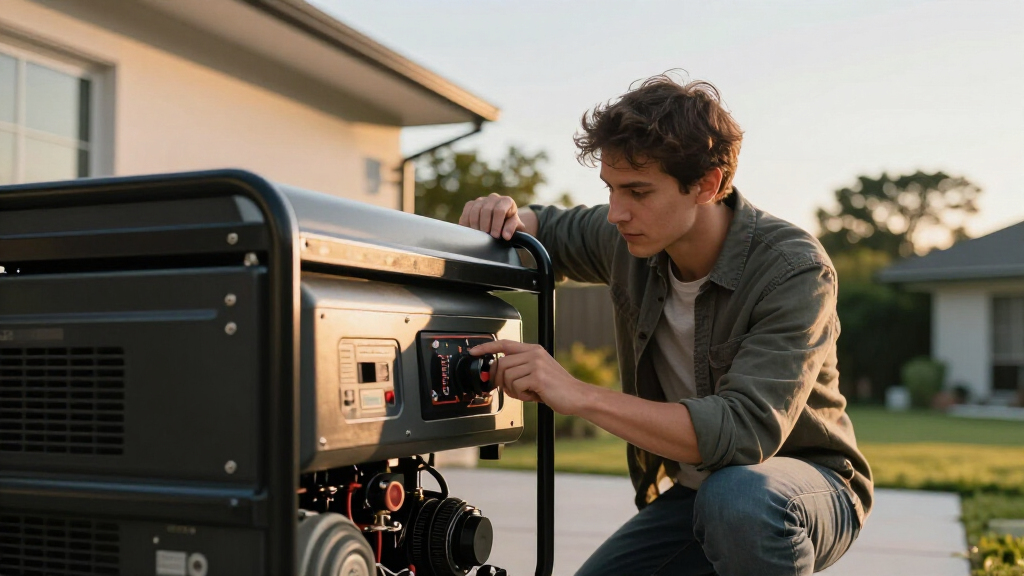
How We Picked
These products were evaluated based on performance, reliability, ease of use, fuel efficiency, and safety features. We prioritized brands with proven track records and high customer satisfaction, especially in real-world power outages or outdoor applications. The ranking reflects a balance between capacity, price, and feature set, aiming to provide options for different needs—from simple portable units to comprehensive whole-house systems. Durability, noise level, and maintenance requirements also played key roles in our assessments.Factors to Consider When Choosing Best Home Generator Brands
Choosing the right home generator involves more than just wattage. Buyers should consider how much power they need, the fuel type, and the generator’s size and portability. Safety features such as CO sensors and remote start can greatly enhance usability and security. Additionally, understanding installation requirements and maintenance needs helps prevent costly surprises. Being aware of common pitfalls, like overestimating power needs or neglecting transfer switch compatibility, can save time and money.Power Capacity and Load Management
Assess your home’s essential appliances and their combined wattage to determine the right generator size. Overestimating can lead to unnecessary expense, while underestimating risks appliance damage or insufficient backup. Consider models with transfer switches that automatically activate during outages, simplifying operation and ensuring safety. For larger homes, a whole-home generator offers peace of mind, but it requires professional installation and a significant investment.Fuel Type and Efficiency
Generators typically run on gasoline, propane, or dual fuel systems. Dual-fuel options provide versatility, allowing you to switch fuel sources based on availability or cost. However, they tend to be more complex and expensive. Fuel efficiency impacts running costs over time, especially during extended outages. Keep in mind that fuel storage and safety are essential considerations, especially for larger units.Portability vs. Permanence
Portable generators are ideal for outdoor use, camping, or emergency backup for small appliances. They are generally less expensive and easier to move but offer limited capacity. Whole-house or standby generators are permanently installed, providing seamless backup for your entire home. These units are more costly and require professional installation but offer greater convenience and reliability during power failures.Safety and User Features
Features like CO sensors, automatic shutdown, and remote start enhance safety and usability. CO sensors are especially important for indoor or garage use to prevent carbon monoxide poisoning. Remote start capabilities add convenience, allowing you to activate your generator from a distance. Regular maintenance and clear user manuals help ensure safe, long-term operation, avoiding costly repairs or safety hazards.Budget and Long-Term Value
While it might be tempting to choose the cheapest option, investing in a reputable brand with good reviews often pays off in durability and reliability. Consider the long-term costs, including maintenance, fuel, and potential repairs. Higher initial investments in premium models can result in better performance and fewer issues over time. Balance your budget with your power needs and safety features to make the most informed choice.Frequently Asked Questions
How do I determine the right size generator for my home?
Start by listing all the essential appliances you want to power during an outage, then add up their wattages. A professional assessment can help refine this estimate, especially for whole-home systems. It’s wise to choose a generator with a capacity about 20-30% higher than your total calculated load, providing a buffer for startup surges and future needs. Remember, overestimating slightly can prevent overloads and ensure seamless power delivery.Are dual-fuel generators worth the extra cost?
Dual-fuel generators offer significant flexibility, allowing you to switch between gasoline and propane based on availability or cost. This can be especially valuable during extended outages when fuel supplies might be limited. However, they tend to be more complex and pricier upfront. If you value versatility and live in an area prone to long outages, dual-fuel models can provide peace of mind and better long-term value.What maintenance does a home generator require?
Regular maintenance includes changing oil, replacing filters, and inspecting spark plugs, similar to car care. Fuel systems should be checked for leaks or corrosion, especially if the generator is stored unused for long periods. Many modern units have scheduled maintenance alerts or diagnostic systems to help track upkeep needs. Proper maintenance ensures the generator runs reliably when needed and can extend its lifespan significantly.Is a standby generator difficult to install?
Installing a standby generator typically requires professional help due to electrical and fuel connection complexities. The process involves site preparation, wiring, and often permits. While initial costs are higher, a professionally installed unit offers seamless automatic operation during outages and a higher safety standard. If you prefer a DIY approach, portable models are much easier to set up, but they require manual operation and monitoring.How long can a generator run continuously?
Most portable generators are rated for about 8-12 hours of continuous operation on a full tank, depending on load and fuel type. Larger standby units can run for days with proper fuel supply and maintenance. It’s important to monitor fuel levels and allow the generator to cool down periodically to prevent overheating. Planning for extended outages involves ensuring adequate fuel storage or connection to a continuous fuel source.Conclusion
For those seeking the best overall balance of power, reliability, and features, the Generac 22kW Whole Home Generator stands out as the top pick, especially for permanent home backup. Budget-conscious buyers or those needing portable power might prefer the Westinghouse 5000 Peak Watt Super Quiet Portable Inverter for its affordability and quiet operation. First-time buyers or those unfamiliar with generator maintenance will find models with automatic features and easy start options, like the Westinghouse 12500 Watt Dual Fuel Portable Generator, more suitable. For large properties or critical loads, investing in a premium, permanently installed generator provides peace of mind, while smaller households will benefit from compact, portable units that cover essential needs without overwhelming costs.Halloween Picks

Kalolary 11 ft Halloween Inflatable Archway Ghost House Tunnel

10.5 ft Lighted Pumpkin and Ghost Halloween Inflatable Archway

ELAMAS 11ft Animatronic Flying Witch Halloween Decoration
As an affiliate, we earn on qualifying purchases.