
To create a flexible living room, choose multifunctional furniture like sofa beds and ottomans with hidden storage to save space. Arrange furniture to keep pathways open and define zones using rugs, making the room adaptable for different activities. Use adjustable lighting, including dimmable and smart options, to match your mood and tasks. Incorporate natural light and plants for a cozy atmosphere. Keep exploring for more tips on designing a truly versatile space.

Get furniture and decor delivered free with Prime
- Fast, free delivery on millions of items
- Prime Video, Amazon Music and more included
- Member-only deals all year
Key Takeaways
- Incorporate multifunctional furniture like sofa beds and modular pieces to maximize versatility.
- Use adjustable, smart lighting to create adaptable moods and enhance natural light.
- Plan an open layout with clear pathways, zones, and rugs to define different activity areas.
- Reconfigure furniture arrangements to suit various activities such as entertaining or working.
- Add indoor plants and natural light solutions to enhance the environment’s comfort and flexibility.
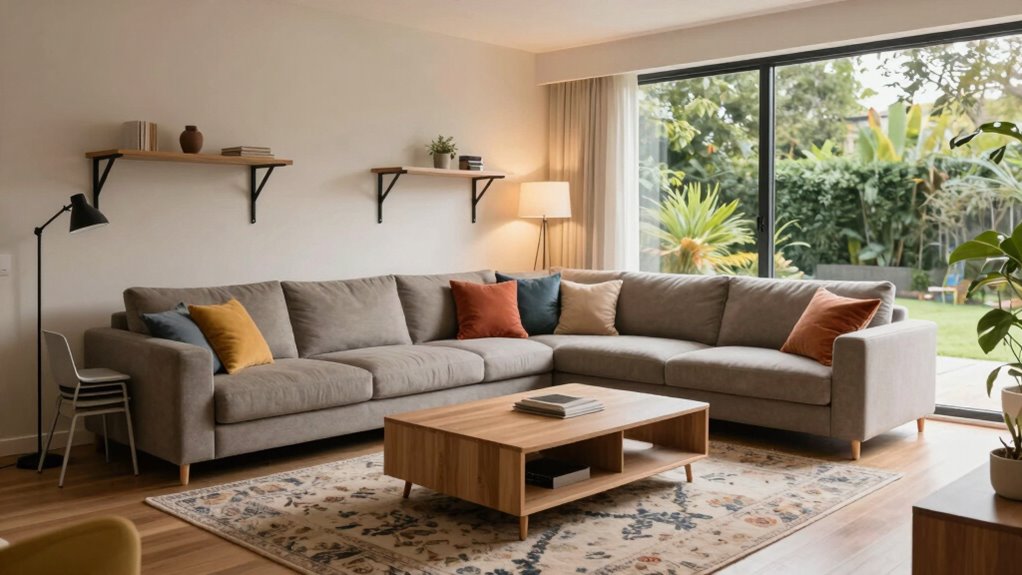
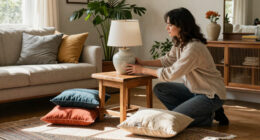
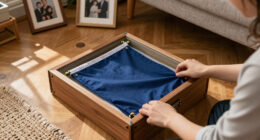
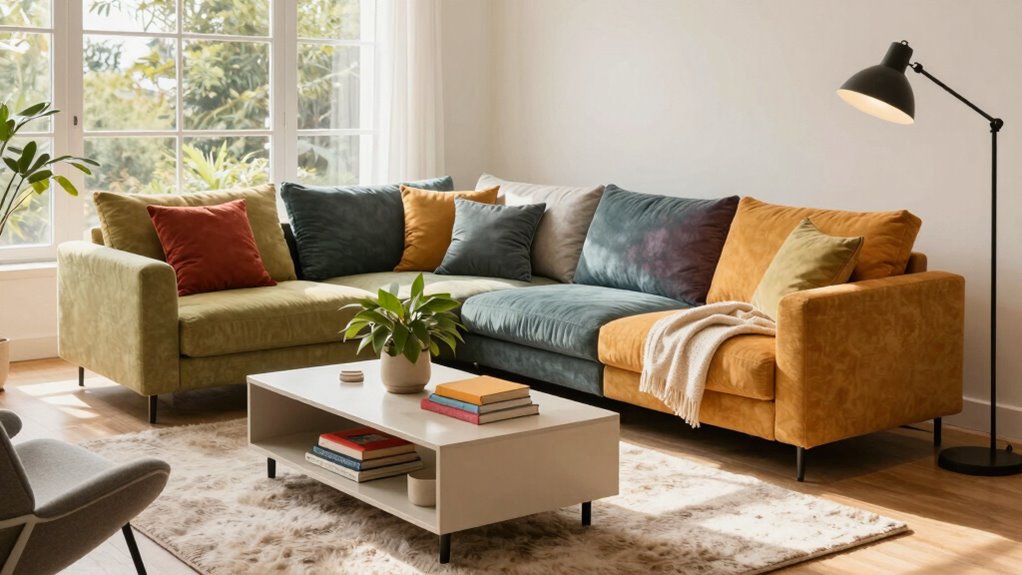
Creating a flexible living room is essential for adapting to your busy, unpredictable life. You want a space that easily shifts from a relaxing retreat to a lively gathering spot, and that starts with choosing the right furniture and lighting. Multifunctional furniture becomes your best friend here. Think about a sofa bed that doubles as a guest bed or ottomans with hidden storage for blankets and books. Modular pieces allow you to reconfigure the space quickly, whether you’re settling in for movie night or clearing the area for a workspace. When shopping for furniture, prioritize pieces that serve more than one purpose, so you can maximize your space without clutter.
Flexible furniture like sofa beds and storage ottomans helps maximize space and adapt to your busy lifestyle easily.
Adjustable lighting is another key element. Instead of relying solely on overhead fixtures, incorporate a mix of task lighting, floor lamps, and dimmable options. This way, you can create different moods with ease. Bright, direct light works well for working or cleaning, while softer, ambient lighting sets a cozy tone for unwinding. Smart lighting systems can be controlled via apps or voice commands, giving you even more flexibility. During the day, you might want plenty of natural light pouring in through large windows, so consider sheer curtains that can be opened or closed depending on your needs. Additionally, incorporating versatile furniture helps your space adapt seamlessly to changing demands.
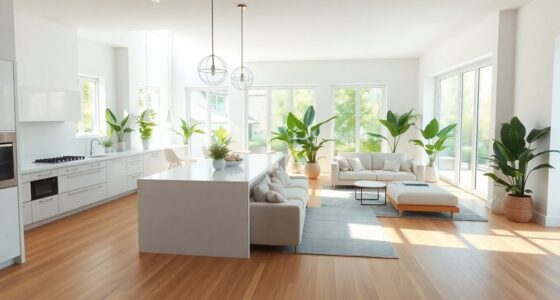
To make your living room truly adaptable, think about how you arrange furniture. Keep pathways open and avoid blocking windows or outlets. Use rugs to define different zones within the same space, like a reading nook or a conversation area, which can be rearranged if your needs change. When planning, consider how your lifestyle shifts throughout the week. If you often work from home, set up a dedicated, easily convertible workspace that can be tucked away when not in use. For entertaining, create an open layout that allows for easy movement and social interaction. Proper space planning plays a crucial role in maintaining a flexible and functional environment. Incorporating elements of biodiversity into your decor, such as indoor plants, can also improve your living environment and make your space more inviting.
Incorporating these elements helps your living room evolve with you. With multifunctional furniture, you reduce clutter and increase functionality, while adjustable lighting lets you set the perfect ambiance for any activity. By thoughtfully planning your layout and choosing versatile pieces, you ensure that your living space remains practical, comfortable, and ready for whatever life throws your way. This approach not only saves space but also makes your home more responsive to your daily needs, giving you a room that truly works for you.
Products Worth Considering

Philips Hue Festavia 130-Foot Indoor/Outdoor Smart String Lights, 500 LEDs

LEVOIT Vital 200S-P Smart Air Purifier for Large Rooms up to 1875 ft², Quiet 27 dB Operation, AHAM Verifide, HEPA Sleep Mode, White

Levoit Core 400S-P Smart Air Purifier for Large Rooms
As an affiliate, we earn on qualifying purchases.
Frequently Asked Questions
What Are the Best Materials for Flexible Furniture?
The best materials for flexible furniture include durable fabrics like microfiber and performance textiles, which resist stains and wear. For frames, choose sturdy yet lightweight options like metal or hardwood. Convertible sofas with metal frames and slipcover fabrics offer versatility, while modular shelving made from engineered wood or metal allows easy rearrangement. These materials guarantee your furniture remains functional, stylish, and adaptable as your needs change.
How Can I Maximize Storage Without Clutter?
Your living room can hold a universe of storage without feeling cluttered. Maximize space by choosing multi-functional furniture and clever decorating accessories that double as storage. Use color schemes cleverly to hide or highlight storage areas, keeping clutter out of sight. Incorporate wall-mounted shelves and hidden compartments to keep essentials organized. With these tips, your space will feel vast, even if it’s just a cozy, well-organized haven.
What Lighting Options Enhance Flexibility?
You should incorporate layered lighting options like ambient lighting and task illumination to enhance flexibility. Ambient lighting, such as dimmable ceiling fixtures or wall sconces, creates a cozy atmosphere and adjusts for different activities. Task lighting, like adjustable floor or table lamps, provides focused light for reading or hobbies. Combining these options allows you to easily switch between relaxed and functional spaces, making your living room adaptable for any occasion.
How Do I Choose Multi-Purpose Furniture?
You should look for multi-purpose furniture like convertible beds and modular sofas that adapt to your needs. Imagine transforming a sofa into a guest bed effortlessly or rearranging sections for different layouts. These pieces maximize space and versatility, keeping your living room functional and stylish. Choose designs that suit your lifestyle, and you’ll create a flexible space that surprises and delights, ready for anything your day or night brings.
Can Flexible Living Rooms Suit Small Spaces?
Yes, flexible living rooms can suit small spaces. You can maximize your area with convertible beds that fold away to free up space during the day. Additionally, modular dividers let you customize your layout, creating separate zones for work, relaxation, or guests without sacrificing room. These versatile solutions make small living rooms feel more functional and open, ensuring you get the most out of your compact space.
Conclusion
By designing your living room to be both adaptable and inviting, you create a space that seamlessly shifts from lively gatherings to quiet evenings. Imagine a room where vibrant cushions and movable furniture contrast with cozy, tucked-away corners—a place that’s lively yet intimate. Flexibility doesn’t mean sacrificing comfort; it means blending functionality with warmth. With thoughtful planning, your living room becomes a versatile sanctuary, ready for whatever real life throws your way.