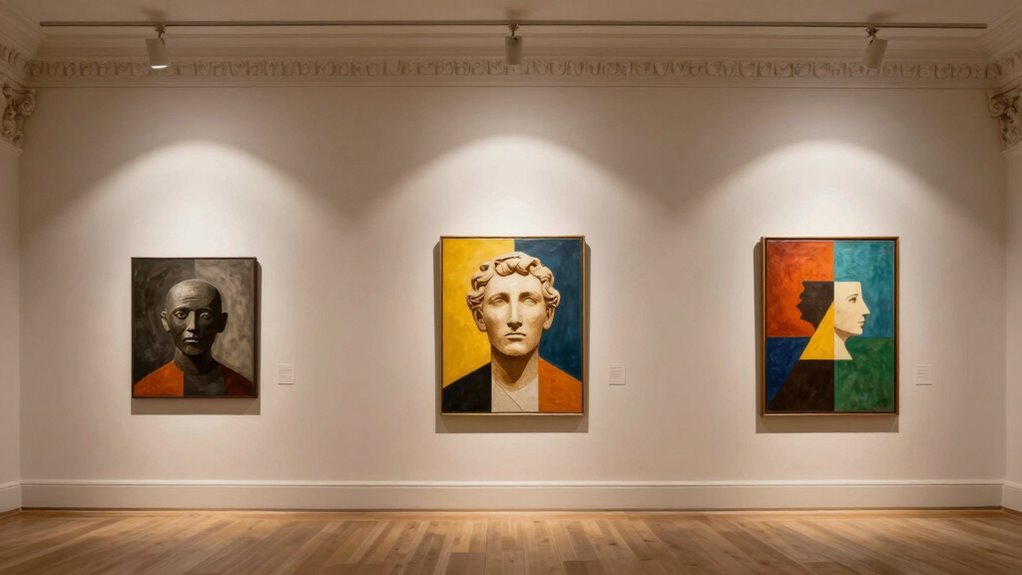

To highlight art and architecture with accent lighting, position fixtures at about a 30° angle to prevent glare and keep them 6-12 inches above the piece for even illumination. Use angled lights to emphasize textures and materials, and adjust the distance for subtle or dramatic effects. Grazing light close to surfaces enhances surface details, while softer placements add a gentle glow. Proper placement and technique will transform your space—continue exploring to learn how to master these lighting strategies.

Get furniture and decor delivered free with Prime
- Fast, free delivery on millions of items
- Prime Video, Amazon Music and more included
- Member-only deals all year
Key Takeaways
- Position fixtures at a 30° angle and 6-12 inches above artwork for even, glare-free illumination.
- Use grazing light to emphasize surface textures of architectural features dramatically.
- Adjust fixture distance and angle to balance subtle and dramatic highlighting effects.
- Aim accent lights to cast shadows that enhance depth and dimensionality of art and architecture.
- Select appropriate color temperature to complement the mood and natural tones of displayed features.
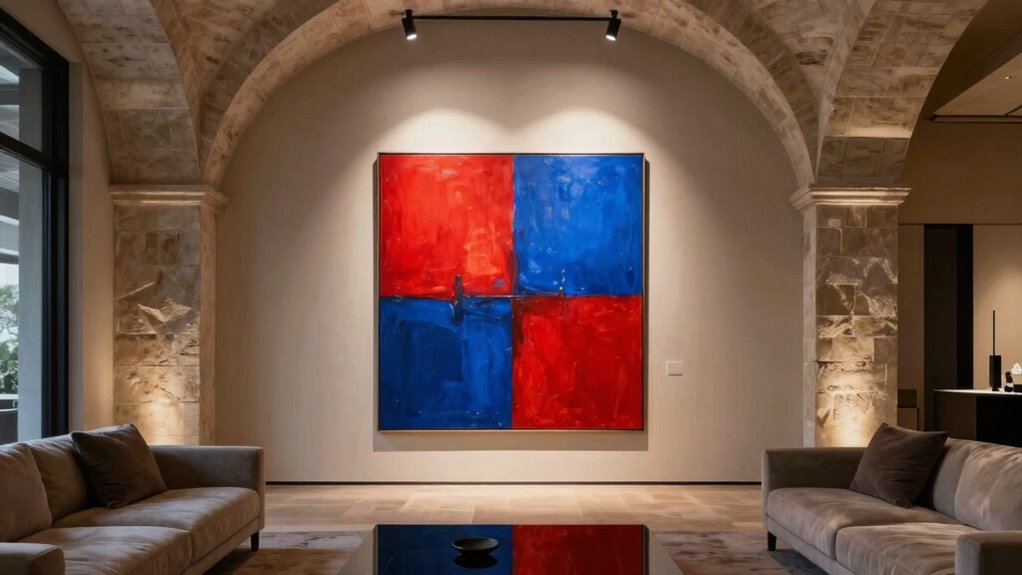
Accent lighting can dramatically enhance the ambiance of any space by highlighting specific features or creating visual interest. When you’re aiming to showcase art or architectural details, the way you choose and position your lighting makes all the difference. One of the most important aspects to evaluate is color temperature. A warmer color temperature, around 2700K to 3000K, creates a cozy, inviting glow that works well for artwork and textured surfaces. On the other hand, cooler temperatures, between 3500K and 4100K, offer a crisp, clean light that can make architectural elements stand out with clarity and sharpness. Selecting the right color temperature depends on the mood you want to establish and the natural tones of the features you’re highlighting.
Warm light (2700K-3000K) creates inviting ambiance, while cooler light (3500K-4100K) enhances architectural clarity and sharpness.
Fixture placement is equally significant. As you plan your accent lighting, think carefully about where to position your fixtures. For art pieces, place the light at an angle—roughly 30 degrees—to avoid glare and shadows that can distort the viewer’s perception. Keep the fixture about 6 to 12 inches above the artwork to cast even illumination, emphasizing colors and textures without overwhelming the piece. When highlighting architecture, such as a textured wall or a column, position the fixtures to cast shadows that enhance depth and dimension. Wall-mounted picture lights or adjustable spotlights are versatile options because they give you control over the direction and spread of light. Understanding fixture placement and its impact on visual perception is essential for creating a balanced display. Proper lighting techniques can help you achieve a more refined and professional appearance in your presentation.
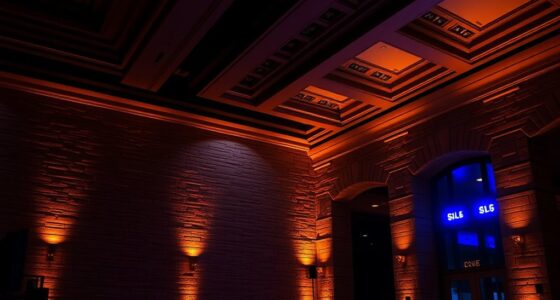
You also want to pay attention to fixture placement relative to the object or feature. For artwork, avoid placing lights directly in front or behind, as this can cause glare or wash out details. Instead, aim the fixture at an angle that accentuates the artwork’s form and texture. For architectural elements, such as molding or ceiling details, grazing light—placing fixtures close to the surface—can create a dramatic effect by emphasizing surface textures. Conversely, for more subtle highlights, place fixtures farther away to produce softer, more diffused illumination. Proper lighting angles help in achieving the desired visual impact while minimizing unwanted reflections or shadows. Additionally, understanding how lighting design influences perception can further refine your setup. Balancing these elements allows you to craft a cohesive and captivating display that enhances the overall space.
Products Worth Considering

TCL QM64L 85-Inch QD-Mini LED 4K Smart Fire TV

Philips Hue Festavia Globe Outdoor String Lights, 32 Bulbs, 91 ft

Philips Hue Festavia 130-Foot Indoor/Outdoor Smart String Lights, 500 LEDs
As an affiliate, we earn on qualifying purchases.
Frequently Asked Questions
What Types of Accent Lighting Are Best for Historic Buildings?
You should choose LED wall washers and adjustable spotlights for historic buildings, as they offer excellent control and minimize damage risks, supporting historic preservation efforts. These fixtures enhance lighting aesthetics by highlighting architectural details without overpowering the original features. Opt for warm color temperatures to maintain authenticity and create a welcoming atmosphere. Proper placement guarantees subtle yet effective accent lighting, respecting the building’s history while showcasing its unique character.
How Do I Prevent Glare When Highlighting Artwork?
To prevent glare when highlighting artwork, you need to focus on glare reduction techniques. Carefully choose lighting angles—aim lights slightly above or to the side of the piece, avoiding direct reflections into viewers’ eyes. Adjust the fixture’s position and use diffusers or shades to soften the light. By controlling these elements, you create a stunning display that captivates without causing discomfort, revealing every detail beautifully.
What Is the Ideal Distance Between Light and Art Piece?
You should keep the lighting placement about 12 to 24 inches from the art piece to achieve the ideal distance. This allows the artistic focus to be well-illuminated without causing glare or harsh shadows. Adjust the light angle slightly downward to enhance details and prevent unwanted reflections. Remember, the goal is to highlight the artwork subtly, so test different distances to find the perfect balance for your space.
Can Accent Lighting Be Energy-Efficient and Cost-Effective?
Yes, accent lighting can be energy-efficient and cost-effective. Imagine soft, focused beams that highlight your art and architecture without wasting energy. LED fixtures are your best choice—they provide excellent energy savings and durability, reducing your energy bills and replacement costs. By using dimmers and timers, you further cut down on unnecessary energy use, making your space beautifully illuminated while keeping costs low and sustainability high.
How Do I Maintain Accent Lighting Fixtures Over Time?
To maintain your accent lighting fixtures, you should regularly clean the fixtures to prevent dust and dirt buildup, which can diminish their brightness. Check for loose connections and replace any burnt-out bulbs promptly. Proper fixture maintenance extends the lighting lifespan, ensuring consistent illumination. Keep an eye on the condition of the lenses and wiring, and schedule routine inspections to catch issues early, maintaining peak performance and prolonging your fixtures’ longevity.
Conclusion
With the right accent lighting, your space transforms into a gallery of shimmering shadows and glowing highlights, where art and architecture come alive. Imagine soft beams gently caressing your favorite pieces, casting delicate patterns that invite viewers to linger. Each carefully placed light becomes a storyteller, revealing hidden details and textures. Embrace your creativity, experiment with angles, and watch as your home becomes a mesmerizing masterpiece, illuminated with warmth and personality.