
TL;DR
Interest in cooling sheets is rising as many report waking up sweaty nightly. While definitive studies are limited, consumers are turning to these products for relief. The trend reflects a growing focus on sleep comfort and health.
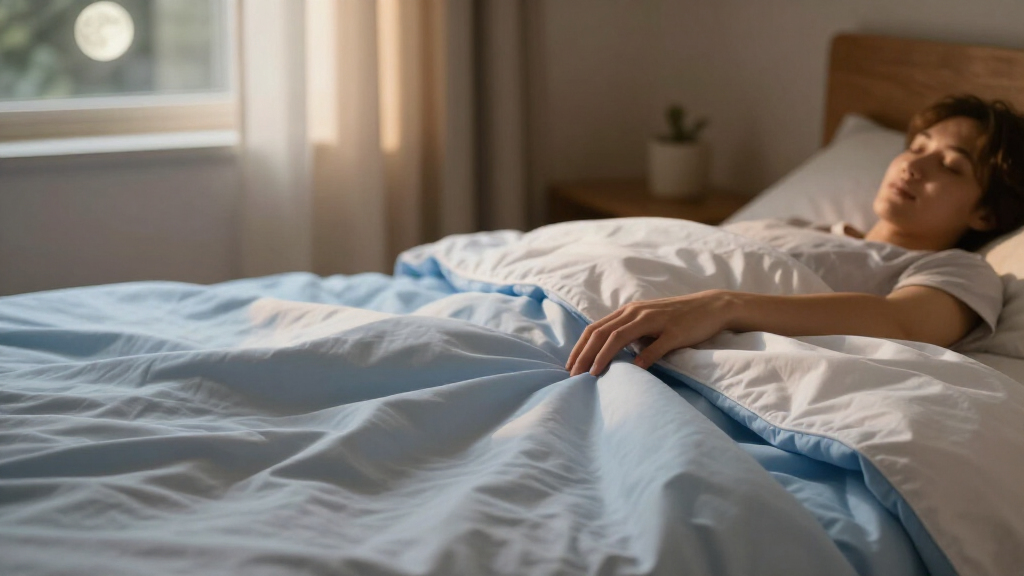
Search interest in cooling sheets has surged in recent weeks as more consumers report waking up sweating every night, prompting a wave of interest in products designed to regulate body temperature during sleep. While scientific research on cooling bedding is still developing, experts acknowledge that temperature regulation can significantly impact sleep quality and comfort. This trend highlights a growing consumer focus on sleep health and comfort solutions.
Data from online search trends shows a notable increase in queries related to cooling sheets, with many users citing night sweats or hot flashes as the primary reason for seeking cooler bedding options. Retailers and manufacturers have responded by launching or promoting sheets made with breathable, moisture-wicking fabrics such as bamboo, Tencel, and specialized cooling fibers. Although there are no large-scale clinical studies confirming the effectiveness of specific cooling sheets, anecdotal reports suggest many users experience improved sleep quality when using these products.
Sleep experts note that body temperature regulation is crucial for restful sleep, and that overheating can cause frequent awakenings and discomfort. While traditional bedding can trap heat, cooling sheets aim to dissipate heat and moisture, helping sleepers maintain a more consistent and comfortable temperature throughout the night. However, claims about specific products’ effectiveness vary, and some experts advise consumers to consider overall sleep hygiene alongside bedding choices.
Why Rising Interest in Cooling Sheets Matters for Sleep Health
The increasing popularity of cooling sheets indicates a growing awareness of the role temperature plays in sleep quality. For individuals experiencing night sweats, hot flashes, or general overheating, these products could offer a non-invasive way to improve sleep and reduce discomfort. Better sleep has broad health implications, including improved mood, cognitive function, and immune health. However, since scientific validation of specific products remains limited, consumers should approach these options as part of a holistic sleep strategy rather than a guaranteed solution.
As an affiliate, we earn on qualifying purchases.
Understanding the Trend: Night Sweats and Sleep Comfort
Night sweating, also known as nocturnal hyperhidrosis, affects a significant portion of adults, especially women going through menopause or individuals with certain medical conditions. While the exact prevalence varies, reports suggest it can disrupt sleep and reduce overall quality of life. The recent spike in interest in cooling bedding coincides with increased discussions on social media and online forums about sleep discomfort. Although scientific research on cooling sheets is still emerging, the trend reflects a broader consumer shift toward personalized sleep solutions and wellness products.
Manufacturers have responded by marketing sheets with advanced fabrics designed to wick moisture and promote airflow. This trend is also driven by the rise of sleep health awareness, with consumers seeking natural, non-pharmaceutical ways to enhance rest. The unconfirmed trigger appears to be a combination of anecdotal reports and increased media coverage, but it is not yet clear whether this will lead to long-term market shifts or sustained scientific validation.
Unconfirmed Scientific Evidence on Cooling Sheets’ Effectiveness
While consumer interest is increasing, there is limited large-scale scientific research specifically validating the effectiveness of cooling sheets for night sweats. Most evidence remains anecdotal or based on small studies. Experts agree that cooling fabrics can help regulate temperature, but definitive proof of their impact on sleep quality and night sweating remains to be established. It is unclear whether this trend will be supported by future research or remain primarily driven by consumer perception and marketing.
Future Research and Market Developments in Sleep Cooling Products
Researchers are expected to conduct more rigorous studies on the impact of cooling bedding on sleep quality and night sweating. Meanwhile, manufacturers are likely to continue innovating with new fabrics and technologies, potentially leading to more effective products. Consumers should watch for scientific validation and product reviews before making significant investments. The trend may also expand into broader sleep health markets, integrating cooling sheets with other sleep aids and tech solutions.
Key Questions
Do cooling sheets really help reduce night sweating?
Many users report improved sleep comfort with cooling sheets, but scientific evidence is limited. They may help by dissipating heat and moisture, but effectiveness varies by individual.
What fabrics are best for cooling sheets?
Breathable, moisture-wicking fabrics like bamboo, Tencel, and specialized cooling fibers are popular choices for cooling sheets.
Are cooling sheets worth the investment?
For those experiencing frequent night sweats or overheating, cooling sheets may provide relief and improve sleep quality. However, they should be considered as part of overall sleep hygiene.
Is there scientific proof that cooling sheets prevent night sweats?
Currently, scientific validation is limited. Most evidence is anecdotal, and more research is needed to confirm their effectiveness.
Source: rss