
TL;DR

Get furniture and decor delivered free — and shop member deals
- Fast, free delivery on millions of items
- Access to Prime Big Deal Days deals on October 6–7
- Prime Video, Amazon Music and more included
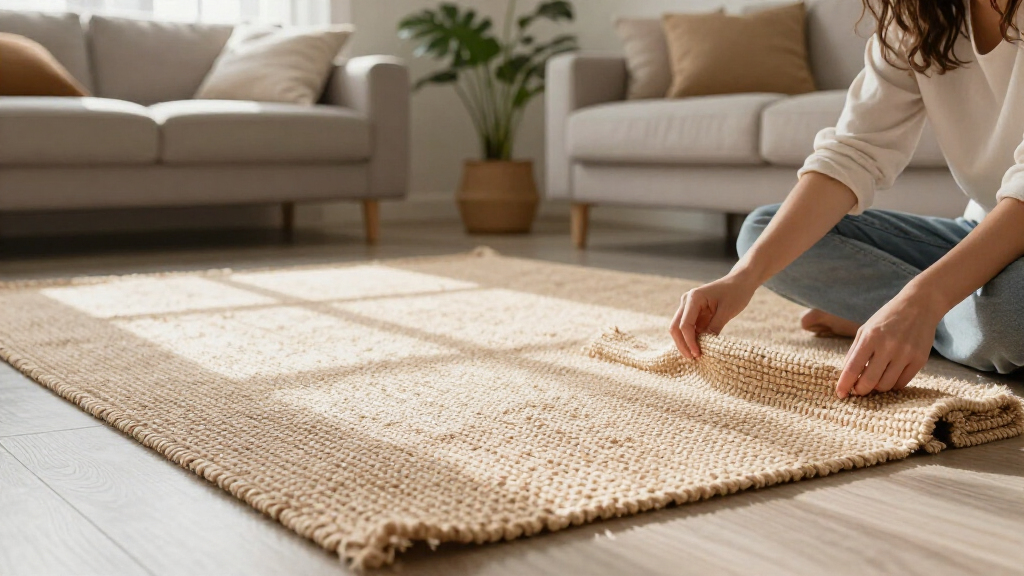
In 2026, leading brands are offering highly sustainable, soft, and stylish jute rugs. These eco-friendly options enhance home decor while supporting environmental and social responsibility.
Multiple brands specializing in sustainable home decor have introduced new collections of eco-friendly jute rugs for 2026, offering consumers stylish, biodegradable options that align with eco-conscious values. You can explore our area rugs 9×12 collection for more options. These rugs are gaining popularity for their natural textures, durability, and minimal environmental impact, making them a preferred choice for environmentally aware homeowners.
Leading brands such as CICIL Home, Revival, Quince, and Sundays have launched new jute rug collections this year, emphasizing sustainability and craftsmanship. To find the perfect style, check out the slipcovered sofas that complement your decor. CICIL Home’s rugs are made on the East Coast of the U.S., using traceable, low-impact fibers sourced from the US, with no dyes or additives, ensuring a fully eco-friendly process. Revival offers handcrafted, affordable options made in India, with handwoven designs that are low-shed and easy to clean. Quince’s rugs are crafted from 100% eco-friendly jute, with artisanal techniques that produce soft, textured fibers, available in various colors and sizes. Sundays emphasizes versatile designs with FSC-certified materials and a commitment to planting trees with each purchase.
These brands prioritize natural, biodegradable fibers, fair labor practices, and minimal chemical use, aligning with increasing consumer demand for sustainable home decor. The collections include a variety of styles—from runners to large area rugs—suitable for different interior aesthetics and budgets, with prices ranging from approximately $150 to over $3,000. Consider browsing the boho hallway runners for stylish transitional pieces.
Elevate Your Living Space With The Best Eco-Friendly Jute Rugs Of 2026
Leading brands — CICIL Home, Revival, Quince, and Sundays — have launched new jute rug collections that pair natural texture and craftsmanship with biodegradable fibers, fair labor practices, and minimal chemical use. Stylish, soft, and planet-friendly has never been easier to step onto.
Four Brands, One Sustainable Vision
Each 2026 collection takes a different path to the same goal: beautiful, low-impact rugs made from the renewable “golden fiber.” Here is how they compare.
CICIL Home
Crafted on the East Coast of the U.S. using traceable, low-impact fibers sourced domestically. No dyes, no additives — a fully eco-friendly production process from fiber to floor.
Fibers: US-sourced · UndyedRevival
Handwoven designs made in India with accessibility in mind. Low-shed construction and easy-care fibers make these rugs practical for busy households.
Origin: India · Low-shed weaveQuince
Crafted entirely from eco-friendly jute using artisanal techniques that yield soft, textured fibers. Available in a wide range of colors and sizes to suit any interior.
Material: 100% jute · Multi-colorSundays
Versatile designs built with FSC-certified materials and a commitment to plant a tree with every purchase — decor that gives back to the forests it draws from.
Certified: FSC · Tree per purchaseEntry Price By Style
Approximate starting prices across the 2026 collections — from accessible runners to statement area rugs north of $3,000.
Synthetic vs. Jute: The Sustainability Spectrum
Jute is a fast-growing plant cultivated primarily in India and Bangladesh. As a renewable, biodegradable fiber, choosing it over synthetic alternatives measurably reduces your home’s environmental footprint.
From Field To Living Room Floor
The 2026 collections emphasize transparency at every step of the jute supply chain — the journey a responsible rug takes before it reaches your home.
🌾 Harvest
Fast-growing jute plants cultivated primarily in India and Bangladesh — a highly renewable resource.
🧵 Fiber Processing
The “golden fiber” is extracted with natural sheen and earthy tones; minimal chemicals used.
🧶 Handweaving
Artisans handcraft each rug with fair labor practices and, where used, natural dyeing techniques.
🏠 Your Space
Traceable, biodegradable decor — and at end of life, jute returns to the earth.
2026 Jute Rug Collections Compared
| Brand | Origin | Undyed / Natural | Certification | Low-Shed | Gives Back |
|---|---|---|---|---|---|
| CICIL Home | East Coast, USA | ✓ No dyes or additives | Traceable US fibers | ~ Varies | ~ |
| Revival | India | ~ Handwoven designs | Handcrafted | ✓ Low-shed | ~ |
| Quince | Artisan ateliers | ✓ 100% eco jute | Artisanal techniques | ✓ Soft texture | ✗ |
| Sundays | Versatile studios | ✓ Natural materials | ✓ FSC-certified | ~ Varies | ✓ Tree per purchase |
What Buyers Want To Know
Are eco-friendly jute rugs as durable as synthetic ones?
High-quality, well-crafted jute rugs can last for years, though they may wear faster in high-traffic zones than synthetics. Regular cleaning and avoiding excessive moisture extends their lifespan considerably.
How can I verify a jute rug is truly sustainable?
Look for certifications like GOTS or Fair Trade, ask about sourcing and dyeing practices, and favor brands offering transparency through detailed product descriptions and third-party verification.
What styles are available in 2026?
Traditional area rugs, runners, round, and curved designs — in a wide range of sizes and colors that integrate into virtually any interior decor theme, from boho to modern minimalist.
Are they suitable for homes with pets and children?
Yes — many high-quality jute rugs are soft and low-shed, making them kid- and pet-friendly. Keep them dry and clean them regularly to maintain appearance and hygiene.
Impact of 2026 Eco-Friendly Jute Rug Launches
The introduction of these new collections signifies a broader shift toward sustainable home furnishings in 2026, reflecting consumer preferences for environmentally responsible products. As jute is a renewable, biodegradable fiber, choosing these rugs reduces environmental footprints compared to synthetic alternatives. Additionally, brands emphasizing fair labor and eco-friendly farming practices contribute to social responsibility, supporting communities involved in jute production. The availability of stylish, soft, and durable options makes eco-friendly rugs accessible to a wider audience, encouraging environmentally conscious living without sacrificing design or comfort.
As an affiliate, we earn on qualifying purchases.
Background on Jute and Sustainable Home Decor Trends
Jute, known as the ‘golden fiber,’ has long been valued for its natural sheen and earthy tones. It is harvested from fast-growing plants primarily cultivated in India and Bangladesh, making it a highly renewable resource. Over the past decade, the home decor industry has increasingly prioritized sustainability, with eco-friendly materials like jute gaining popularity for their biodegradability and low environmental impact. Recent years have seen a surge in brands offering certified, ethically produced jute products, driven by consumer demand for transparency and eco-consciousness. The 2026 collections build on this momentum, emphasizing traceability, natural dyes, and responsible manufacturing processes.
Unanswered Questions About the 2026 Jute Rug Collections
While these collections are promising, it remains unclear how widely they will be adopted across different markets and whether all brands will meet their sustainability claims consistently. Specific details about the long-term durability of some new designs and the full environmental impact of their production methods are still emerging. Additionally, consumer perceptions of softness and style relative to traditional rugs continue to evolve, and more independent certifications may be needed to verify claims.
Future Developments in Eco-Friendly Jute Rugs for 2026 and Beyond
In the coming months, industry experts expect further expansion of eco-certified jute rug collections, with more brands adopting transparent sourcing and natural dyeing techniques. Consumers can anticipate increased availability of customizable options, improved fiber softness, and competitive pricing. Industry analysts also predict ongoing innovations in sustainable manufacturing processes, potentially reducing costs and environmental footprints even further. Monitoring consumer feedback and third-party certifications will be key to assessing the long-term impact of these collections.
Key Questions
Are eco-friendly jute rugs as durable as synthetic ones?
While natural jute rugs are generally durable and suitable for many areas, their longevity depends on quality and care. High-quality, well-crafted jute rugs can last for years, but they may be more prone to wear in high-traffic zones compared to synthetic options. Proper maintenance, such as regular cleaning and avoiding excessive moisture, can extend their lifespan.
How can I verify if a jute rug is truly sustainable?
Look for certifications like GOTS or Fair Trade, inquire about sourcing practices, and ask about dyeing methods. Reputable brands often provide transparency through detailed product descriptions and third-party certifications, ensuring the rug was produced responsibly and sustainably.
What styles of jute rugs are available in 2026?
Consumers can choose from a wide range of styles, including traditional area rugs, runners, round, and curved designs. Many brands offer various sizes and colors, allowing integration into different interior decor themes.
Are natural jute rugs suitable for homes with pets and children?
Yes, many high-quality jute rugs are soft and low-shed, making them suitable for homes with kids and pets. However, they should be kept dry and cleaned regularly to maintain appearance and hygiene.
Source: rss
Halloween Picks
halloween
As an affiliate, we earn on qualifying purchases.