TL;DR

Get furniture and decor delivered free with Prime
- Fast, free delivery on millions of items
- Prime Video, Amazon Music and more included
- Member-only deals all year
Organizing experts recommend tailoring home-storage systems to how people naturally use and experience their spaces. Their suggestions range from visible supplies for creative people to simple, forgiving systems for perfectionists; the advice is guidance, not a formal personality assessment.
A home-organizing guide featuring advice from certified neurodiversity coach Sherri Curley and organizing expert Shira Gill recommends matching storage habits to people’s preferences, rather than forcing everyone to use the same system. It offers suggestions for five styles—creative, minimalist, collector, procrastinator and perfectionist—on the premise that a workable setup should fit daily routines and tolerance for visual clutter.
Curley argues that working against one’s natural tendencies can make everyday tasks harder. “When we work against our natural predispositions, strengths, skills, and abilities, our to-dos become uphill climbs,” she says, describing possible effects including lower motivation, more overwhelm and reduced focus. The guide presents this as expert advice about organizing, not as findings from a study.
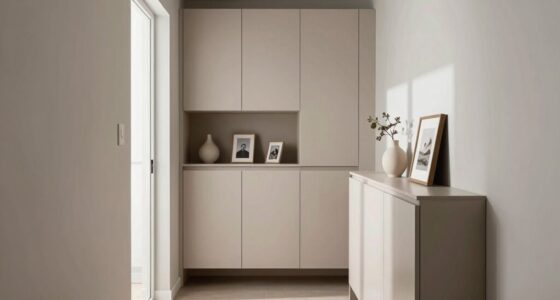
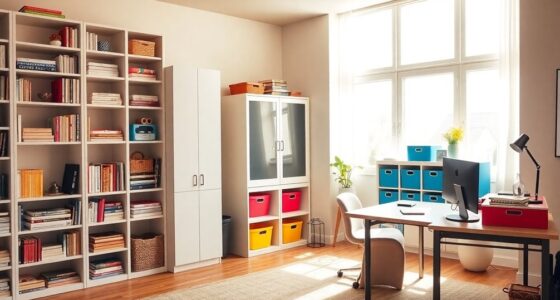
For creative people, Gill recommends keeping supplies visible and easy to reach: open bins for materials, wall-mounted organizers, or a pinboard for inspiration. For minimalists, she suggests concealed storage, curated displays and consistent containers to limit visual clutter. Multipurpose furniture, such as a storage bench, can also help keep surfaces clear.
For collectors, Curley says treasured objects need not be discarded simply to create order. She advises watching for signs that collections are taking over work surfaces, storage or areas intended for rest. Gill suggests using shelves and vertical displays to show favorite pieces without spreading them across every surface. For procrastinators, she recommends visible reminders and convenient drop zones for items such as returns or library books. Curley’s alternative to a large organizing session is choosing one area and working on it briefly—even for three minutes.
For perfectionists, Gill recommends simple, consistent storage that remains manageable on less-than-perfect days, including labels, matching containers and a catchall tray. Curley advises aiming for a reasonable level of upkeep rather than an exacting standard. The article’s central practical point is that a system should be easy to maintain, not merely look orderly.
Organize around your habits for a home that works
A home-organizing guide pairs storage ideas with five everyday styles. The practical test: choose a system that is easy to maintain.
Five styles, different needs
These are practical suggestions, not a formal personality assessment.
Keep supplies visible
Open bins and wall organizers make materials easy to reach and use.
Reduce visual clutter
Concealed storage, curated displays and consistent containers keep surfaces clear.
Display with boundaries
Shelves can show treasured pieces while leaving room to use and rest in your home.
Make starting easier
Visible reminders, drop zones and a brief session can help get one area moving.
Choose forgiving systems
Simple storage and a catchall tray can stay manageable on less-than-perfect days.
Start with one friction point
Try a small change and keep it if it is convenient enough to use.
Choose a spot or recurring task that feels difficult to manage.
Make a tool visible, add a drop zone or set a brief timer.
Judge the change by whether it fits your routine and is easy to maintain.
Keep collections usable
Order does not have to mean discarding things you value.
- Show favorite pieces on shelves or vertical displays.
- Choose storage that suits how you use your space.
- Notice when objects take over work surfaces or storage.
- Leave room for areas meant for rest.
Systems That Fit Daily Habits
The advice matters because household organization is a repeated task: storage that is difficult to use can make putting things away less likely. A setup that reflects how someone handles belongings—whether they need supplies in view or prefer clear surfaces—may reduce friction in everyday routines. The source does not quantify how much these approaches improve organization, but it frames fit and ease of maintenance as priorities.
The recommendations also avoid treating visible belongings as automatically disorganized. A creative person may work better with materials at hand, while a minimalist may feel calmer with fewer objects on display. For collectors, the question is whether a cherished display still leaves room to use the home. These distinctions make the suggestions more flexible than a single rule to hide or discard everything.
The guide offers small, concrete steps rather than requiring a full-home overhaul. A tray, open basket, brief timed session or clear storage boundary can be tested in one area. Readers can keep what works and change a system that becomes inconvenient.
Products Worth Considering

Dreame L50 Ultra Robot Vacuum and Mop Combo

Levoit Core 400S-P Smart Air Purifier for Large Rooms

Bose Lifestyle Ultra Wireless Home Speaker
As an affiliate, we earn on qualifying purchases.
Five Styles, Different Storage Needs
The source presents five organizing styles as a practical framework, not a clinical classification or validated test. It does not explain how the categories were developed or claim that people fit only one. Someone might prefer visible hobby supplies but also want uncluttered kitchen counters, for example.
Its recommendations draw on comments from Curley, identified as a certified neurodiversity coach and organizing success coach, and Gill, identified as the author of Minimalista. The article also points readers toward other organizing approaches, including the 20-minute organizing method, the Core 4 decluttering strategy and the 12-12-12 method, but the supplied material does not detail those methods.
“When we work against our natural predispositions, strengths, skills, and abilities, our to-dos become uphill climbs.”
— Sherri Curley, certified neurodiversity coach and organizing success coach
Limits of the Personality Guide
The supplied material does not give a publication date, describe a formal assessment for identifying a personality type, or cite research comparing the effectiveness of the five approaches. It is unclear how the suggestions work for people whose preferences span multiple categories, or for households shared by people with different needs.
The guide also does not provide measurements for storage capacity, costs or timelines. Its recommendations are general ideas rather than a guarantee that a particular arrangement will solve a specific home’s clutter or accessibility problems. Readers may need to adapt them to their available space and routines.
Try One Small Change
The source does not announce a scheduled follow-up or a next milestone. Its practical next step is to identify one recurring point of friction and test a small adjustment: make a frequently used tool visible, add a designated drop zone, or set a brief timer for one area. Whether the change helps can be judged by whether it is convenient enough to keep using.
Readers considering a wider reorganization can also consult the named methods referenced in the source. The material does not provide details for those methods, so their steps would need to be checked separately.
Key Questions
What are the five organizing styles in the guide?
The guide describes creative, minimalist, collector, procrastinator and perfectionist styles. They are presented as practical categories, not as a formal personality test.
How should creative people organize supplies?
Shira Gill recommends keeping materials such as paints, notebooks or tools visible and ready to use, with open bins, jars or wall-mounted storage. The aim is to reduce the effort needed to start a project.
Does the guide tell collectors to get rid of their belongings?
No. Sherri Curley says people can keep collections they value, while watching for signs that objects are taking over usable surfaces, storage or areas intended for relaxation. Shelves and vertical displays are among Gill’s suggested options.
What can help if organizing feels hard to start?
The guide recommends making reminders and current tasks easy to see, setting up convenient drop zones, and choosing one area to work on for a short period. Curley says even a three-minute timer can be a starting point.
Is this advice based on a formal study?
The supplied source gives expert recommendations but does not cite a study or describe a validated personality assessment. The suggestions should be understood as practical guidance, not research-proven rules.
Source: goodhousekeeping.com