
Getting started with smart home gadgets doesn’t have to cost a lot. Budget-friendly options like smart plugs, voice assistants, or affordable thermostats make automation easy and accessible. These devices are simple to install, often work with platforms like Alexa or Google Assistant, and help you control energy usage while boosting convenience. Starting small lets you expand gradually as you become more comfortable. Keep exploring to discover more easy ways to make your home smarter and more efficient.
Key Takeaways
- Affordable smart devices like smart speakers and plugs support voice control for easy home automation.
- Entry-level gadgets help track energy use, saving costs and promoting eco-friendly habits.
- Most devices are simple to install and integrate seamlessly into existing Wi-Fi networks.
- Starting with basic gadgets allows gradual expansion of your smart home system over time.
- Budget-friendly options improve accessibility, making smart home technology achievable for beginners.
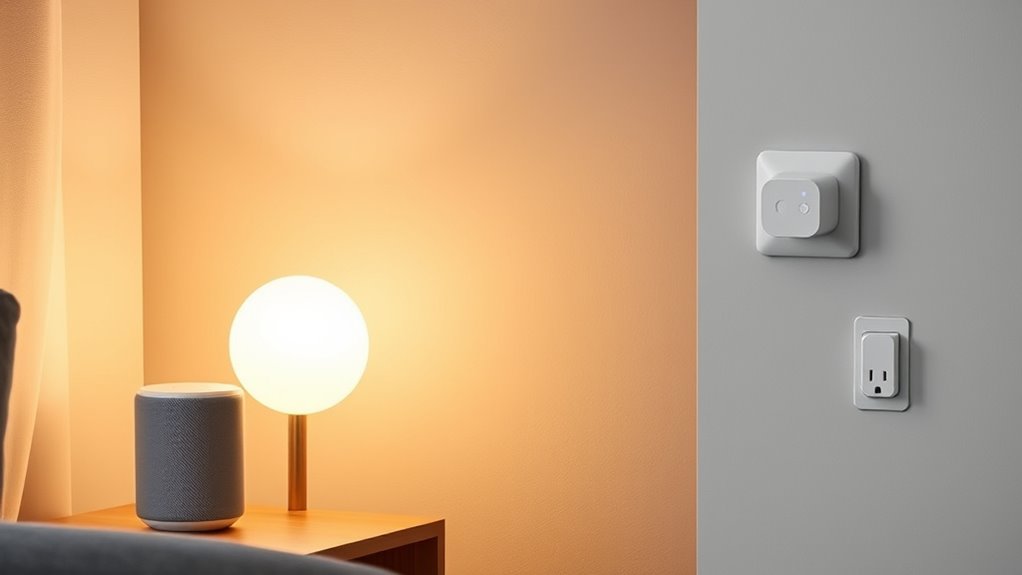
Transforming your home into a smart space doesn’t have to break the bank. With the right entry-level gadgets, you can enjoy the convenience of modern technology without overspending. One of the easiest ways to start is by adding devices that support voice control. Imagine walking into a room and simply saying, “Turn on the lights,” or asking your smart speaker to play your favorite playlist. Voice control makes managing your smart home effortless, especially when you’re juggling multiple tasks. Devices like affordable smart speakers or voice-activated assistants act as hubs, connecting other gadgets and letting you control them with just your voice. This feature alone can *considerably* streamline your daily routines, making your home more intuitive and responsive. Plus, many budget-friendly options come with built-in voice control or are compatible with popular voice platforms like Alexa or Google Assistant, so you don’t need to buy multiple products to get started.
Another key advantage of entry-level smart home devices is energy monitoring. These gadgets help you keep tabs on your energy consumption, so you can cut costs and reduce your carbon footprint. For example, smart plugs with energy monitoring let you see exactly how much power your appliances use. You can schedule when they turn on or off, preventing unnecessary energy waste. Over time, this information helps you identify which devices drain the most power and adjust your habits accordingly. Many affordable smart plugs and outlets provide real-time data through their companion apps, giving you quick insights into your energy use. This transparency not only helps you save money but also encourages more eco-friendly habits. Additionally, some smart thermostats or energy monitors can sync with your existing heating and cooling systems, offering more precise control and further reducing energy bills. Incorporating home automation technology can further enhance your ability to optimize energy efficiency across your residence.
Getting started with these gadgets is simple. You don’t need to be tech-savvy or spend hundreds of dollars. Many entry-level options are easy to install, often requiring just a Wi-Fi connection and a few minutes of setup. Once in place, they integrate seamlessly into your daily routine, giving you more control and awareness over your home environment. Plus, as you become more comfortable with these devices, you can expand your smart home ecosystem gradually, adding more sensors, cameras, or smart locks down the line, all without stretching your budget. The key is to start small and focus on the features that matter most to you, like voice control and energy monitoring, to make your home smarter, more efficient, and more comfortable—all without overspending.
Frequently Asked Questions
How Do I Ensure Compatibility Between Different Smart Devices?
To guarantee your smart devices work together smoothly, check for interoperability issues before purchasing. Look for devices that support common standards like Zigbee or Z-Wave, which enhance compatibility. Keep firmware updates current, as they often fix bugs and improve device communication. Additionally, use a central hub or app that supports multiple device brands, making it easier to manage and troubleshoot your smart home setup effectively.
What Is the Average Lifespan of Budget Smart Home Gadgets?
Think of your budget smart home gadgets as delicate plants in a garden—they usually last about 2 to 3 years. Their device durability varies, but with proper care, they can thrive longer. Always check warranty coverage; it’s like a safety net if things go wrong. While affordable, don’t expect them to stand the test of time like premium devices. Regular updates and careful use help extend their lifespan.
Are There Any Hidden Costs Associated With These Gadgets?
Yes, there could be hidden costs with budget smart home gadgets, especially related to installation concerns and ongoing maintenance. You might need to buy additional accessories or pay for professional setup if needed. Also, consider customer support quality, as some budget brands may offer limited assistance. These hidden expenses can add up, so it’s smart to research and choose gadgets with reliable support and clear upfront costs before making a purchase.
How Secure Are Budget-Friendly Smart Home Devices?
Budget-friendly smart home devices are generally secure, but you should stay aware of potential security concerns. They might have vulnerabilities that could expose your data privacy if not properly updated or configured. To stay safe, regularly update your gadgets, change default passwords, and use strong, unique passwords for your network. Being proactive helps protect your smart home from security threats and keeps your data private.
Can I Upgrade or Expand My System Later Easily?
Upgrading or expanding your system is as easy as adding building blocks, making it simple to grow your smart home. Many devices offer scalability options, so you can integrate new gadgets without hassle. To future-proof your setup, choose systems with compatible hubs and open standards. This way, you stay adaptable for future tech, ensuring your smart home remains flexible and up-to-date without needing a complete overhaul.
Conclusion
So, there you have it—affordable gadgets that make your home smarter without draining your wallet. Who knew that with just a few budget-friendly devices, you could impress guests and maybe even yourself? Now, with all this tech at your fingertips, you’re basically living in the future—minus the hefty price tag. Just don’t forget to read the instructions, or you might end up smarter in theory than in practice. Happy tech-ing!