
Upgrading your home with energy-efficient systems helps you cut utility bills and reduce your environmental impact. Installing solar panels can harness renewable energy, while smart thermostats give you greater control over heating and cooling for added savings. These upgrades often qualify for rebates and incentives, making them more affordable. Over time, you’ll enjoy lower costs and a more comfortable, sustainable home. Keep exploring to discover even more ways to maximize your savings and upgrade your home effectively.
Key Takeaways
- Installing solar panels reduces reliance on traditional electricity and lowers utility bills with renewable energy.
- Upgrading to a smart thermostat optimizes heating and cooling, saving energy through automation and remote control.
- Incorporating energy-efficient appliances and lighting maximizes savings and minimizes overall home energy consumption.
- Taking advantage of rebates and incentives offsets initial costs, making upgrades more affordable.
- Modern upgrades improve home comfort, increase property value, and contribute to a sustainable future.
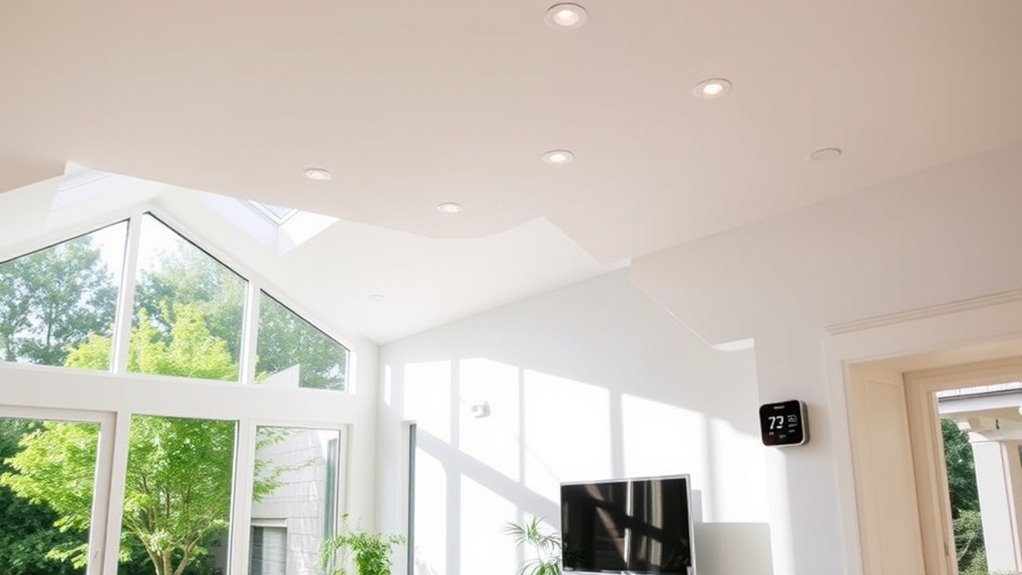
Upgrading to energy-efficient systems is one of the smartest ways to reduce your energy bills and lessen your environmental impact. When you consider making improvements, solar panel installation should be at the top of your list. Solar panels harness the sun’s power, providing a clean, renewable energy source that can considerably cut your reliance on traditional electricity. Not only do they reduce your monthly utility costs, but they also increase your home’s value and contribute to a more sustainable future. Modern solar panel systems are more efficient than ever, with sleek designs that blend seamlessly into your roofline. Many providers offer financing options, making the upfront investment more manageable. Pairing solar panel installation with energy-efficient appliances and lighting maximizes your savings and minimizes your carbon footprint.
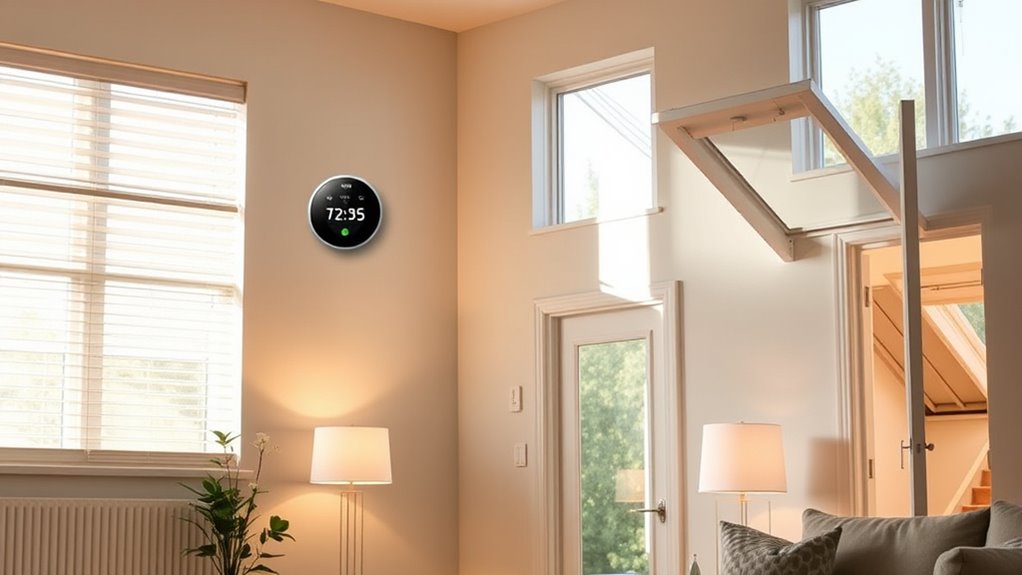
Another upgrade worth exploring is smart thermostat options. These devices give you greater control over your home’s heating and cooling, helping you save energy when you’re away or asleep. With a smart thermostat, you can easily adjust your home’s temperature remotely via smartphone, ensuring you’re not wasting energy heating or cooling an empty house. Many smart thermostats learn your schedule over time, automatically adjusting settings for ideal comfort and efficiency. Some models integrate with other smart home devices, allowing you to create automated routines that further conserve energy. For example, you can set your thermostat to lower the temperature during work hours or when you’re on vacation. These features not only save you money but also make managing your home’s climate more convenient. Incorporating energy-efficient heating and cooling systems can further enhance your home’s overall efficiency and savings.
Investing in energy-efficient upgrades like solar panel installation and smart thermostat options can seem like a considerable initial expense, but the long-term savings make it worthwhile. As utility rates continue to climb, these upgrades help you lock in lower energy costs and protect against future increases. Additionally, many local governments and utility companies offer rebates and incentives for installing solar panels or upgrading to energy-efficient systems, which can offset the initial costs. The benefits extend beyond finances; reducing your home’s energy consumption lowers greenhouse gas emissions, helping you contribute to a healthier environment. Plus, these upgrades can boost your home’s appeal and functionality, making your living space more modern and comfortable.

ECO-WORTHY 16 Units Solar Panel Mounting Brackets,Z Bracket Sets Lightweight Aluminum Corrosion-Free for RV, Trailer, Boat, Yachs, Wall and Other Off Gird Roof,4 Set of 4 Units
Robustness: The ECO-WORTHY Z solar panel mounting brackets are made of aluminum alloy bracket and stainless steel M6…
As an affiliate, we earn on qualifying purchases.
As an affiliate, we earn on qualifying purchases.
Frequently Asked Questions
How Do I Determine Which Upgrades Are Most Cost-Effective?
You should start with a cost analysis and ROI calculations to identify the most cost-effective upgrades. Compare initial costs versus long-term savings for options like insulation, LED lighting, or upgraded windows. Focus on projects offering quick payback periods and high efficiency gains. Consulting professional assessments helps prioritize upgrades that maximize your savings, ensuring you invest in improvements that deliver the best value for your money.
Are There Government Incentives for Energy-Efficient Home Improvements?
Yes, you can take advantage of government incentives like tax credits for renewable energy upgrades and energy-efficient home improvements. These incentives often include federal tax credits, rebates, or grants that help offset your costs. To find current programs, check the Department of Energy’s website or consult a local energy efficiency program. Acting now can save you money while making your home more sustainable and eco-friendly.
How Long Does It Typically Take to Recoup Upgrade Costs?
You’ll find that the payback period for energy-efficient upgrades typically ranges from 3 to 7 years, depending on your home’s specifics and the upgrades chosen. A thorough financial analysis helps you understand this timeline better, showing how savings on utility bills offset initial costs. While it might take a few years to recoup your investment, the long-term benefits—lower energy bills and increased home value—make it a smart, eco-friendly choice.
Can These Upgrades Increase My Home’s Resale Value?
Yes, energy-efficient upgrades can boost your home value and enhance resale benefits. Buyers increasingly look for homes with lower utility costs and modern features, making your property more attractive. These upgrades demonstrate your commitment to sustainability and can justify a higher asking price. Overall, investing in energy-efficient improvements not only reduces your ongoing expenses but also helps your home stand out in a competitive market.
What Maintenance Is Required for Energy-Efficient Systems?
You might worry about upkeep, but energy-efficient systems are manageable. Regular HVAC maintenance ensures your system runs smoothly, saving energy and extending its lifespan. Solar panel upkeep involves occasional cleaning and inspections to maximize efficiency. These simple tasks prevent costly repairs and keep your upgrades performing at their best. With minimal effort, you’ll enjoy lower utility bills and a more sustainable home, all while maintaining your investments effortlessly.

Amazon Smart Thermostat – Save money and energy – Works with Alexa and Ring – C-wire required
Smart upgrade – Amazon Smart Thermostat is an easy way to switch from a traditional thermostat and help…
As an affiliate, we earn on qualifying purchases.
As an affiliate, we earn on qualifying purchases.
Conclusion
By upgrading your home with energy-efficient features, you can cut your utility bills considerably—some homeowners save up to 30% annually. Not only does this reduce your expenses, but it also benefits the environment. Imagine saving hundreds each year just by making simple upgrades. So, why wait? Invest in energy-efficient improvements today and enjoy the savings while helping create a greener future for everyone. Every small change makes a big difference!

evelor 6-Pack A19 LED Light Bulbs,60 Watt Equivalent Daylight 5000K with E26 Base,Efficient 9W,800 Lumens Non-Dimmable LED Bulbs,15000 Hours, Ideal for Bedroom Living Room
【Energy Efficiency】: EVELOR A19 LED light bulb is an energy-saving 9W (60W equivalent) bulb, saving up to 90%…
As an affiliate, we earn on qualifying purchases.
As an affiliate, we earn on qualifying purchases.
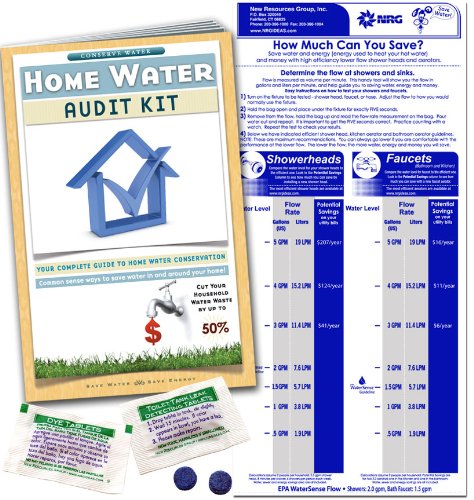
Home Water Audit Kit – Faucet Flow Gauge Measuring Bag & Toilet Leak Detecting Tablets. Water Saving for Shower and Faucet | Dye Tablets for Silent Bathroom Toilet Leaks.
Find how much water you are using | Made in the USA
As an affiliate, we earn on qualifying purchases.
As an affiliate, we earn on qualifying purchases.