
TL;DR

Get furniture and decor delivered free — and shop member deals
- Fast, free delivery on millions of items
- Access to Prime Big Deal Days deals on October 6–7
- Prime Video, Amazon Music and more included
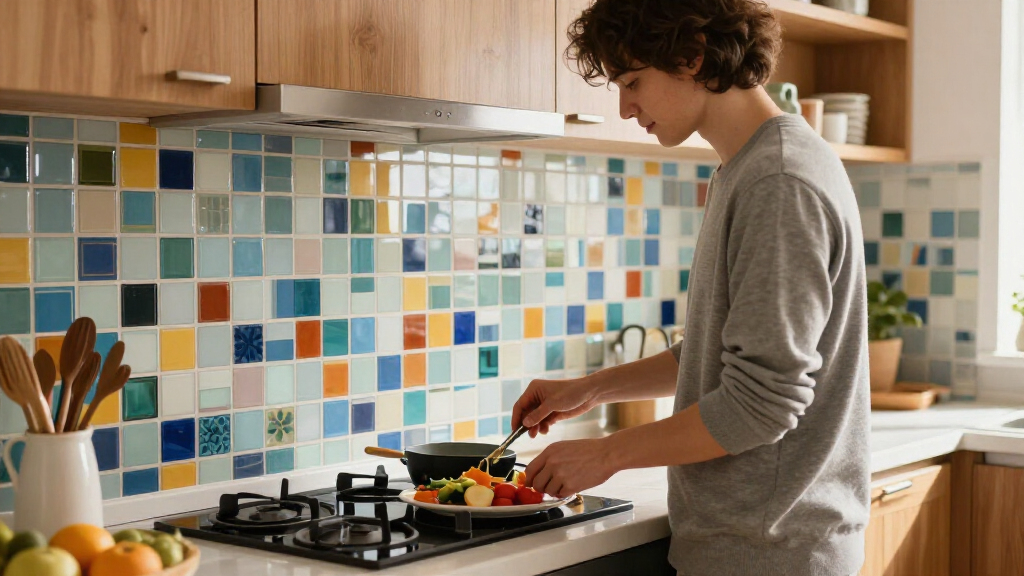
Pixel tile mosaics are rapidly replacing subway tiles in social media posts, driven by their vibrant, customizable aesthetic. The trend is gaining momentum, though its origins and future remain uncertain.
Social media feeds are seeing a surge in images of pixel tile mosaics, a vibrant and customizable alternative to traditional subway tiles. This rise marks a notable shift in interior design aesthetics and digital art expressions, capturing the attention of both designers and casual users alike.
The trend toward pixel tile mosaics, characterized by small, colorful tiles arranged in intricate patterns, has gained significant traction on platforms like Instagram, TikTok, and Pinterest. Experts suggest that their popularity is driven by their visual versatility and the ability to personalize spaces digitally before actual installation. While subway tiles have long been favored for their clean, minimalist look, pixel mosaics offer a more playful and dynamic alternative that appeals to contemporary tastes.
Search interest data indicates a sharp spike in queries related to pixel tile mosaics over the past three months, though the origin of this surge remains unconfirmed. Trend analysts note that influencers and interior designers have started showcasing pixel mosaics as a way to add colorful, pixelated texture to kitchens, bathrooms, and even digital art projects. The trend’s rapid spread suggests a broader cultural shift towards embracing more digitally inspired aesthetics.
Why Pixel Tile Mosaics Are Reshaping Visual Culture
The increasing popularity of pixel tile mosaics signifies more than a design preference; it reflects a broader cultural movement towards digital aesthetics and personalized visual expression. As social media continues to influence interior design choices, this trend could reshape consumer expectations, pushing manufacturers and designers to adopt more vibrant, customizable materials. Additionally, the trend’s rise highlights how digital culture influences physical spaces, blurring lines between virtual and real-world aesthetics.
For consumers, this shift offers new avenues for self-expression and creative experimentation. For the industry, it signals a potential change in product offerings, with more emphasis on pixel-inspired designs and interactive mosaics. The trend’s longevity remains uncertain, but its current momentum underscores the growing importance of digital-inspired art in everyday life.
As an affiliate, we earn on qualifying purchases.
Emergence of Digital-Inspired Interior Trends
Traditional subway tiles have been a staple in modern interior design for decades, valued for their simplicity and durability. However, recent years have seen a rise in digital art influences shaping design preferences, especially among younger consumers. The trend toward pixel mosaics appears to be an extension of this shift, blending digital pixelation with physical materials. While the exact origin of the trend is unclear, it coincides with a broader movement toward personalized, vibrant, and digitally inspired design elements.
Historically, interior design trends have oscillated between minimalism and maximalism. Currently, social media’s role in rapidly disseminating new aesthetics has accelerated the adoption of unconventional styles like pixel mosaics. The trend’s growth is also linked to the popularity of digital art platforms and the gamification of design, where pixelated graphics are familiar from video games and online art communities.
Unclear Origins and Future of the Pixel Mosaic Trend
While the trend’s popularity is evident, its precise origins remain unconfirmed. It is unclear whether the surge is driven by specific influencers, commercial campaigns, or organic social media virality. Additionally, experts are uncertain about how long this trend will sustain its momentum or if it will evolve into a broader design movement. The impact on traditional tile manufacturing and interior design standards is also still developing, with industry insiders watching closely.
Tracking the Trend’s Development and Industry Impact
As the trend continues to grow, designers and manufacturers are likely to experiment with new pixel-inspired products. Social media platforms will remain the primary showcase for this aesthetic, with influencers and brands shaping its evolution. Industry analysts expect further integration of digital art influences into physical spaces, possibly leading to new product lines or customizable mosaic kits. Monitoring social media engagement and sales data will be key to predicting whether pixel mosaics will become a lasting design staple or a transient fad.
Key Questions
Why are pixel tile mosaics becoming popular now?
The trend is driven by social media’s influence, digital culture’s aesthetic appeal, and consumers’ desire for personalized, vibrant design options. Influencers and digital artists have helped popularize the look.
Are pixel mosaics more expensive than traditional tiles?
Cost varies depending on the materials and customization options, but generally, pixel mosaics can be more expensive due to their intricate designs and bespoke production. However, mass-produced options are becoming more affordable.
Can pixel tile mosaics be used in all interior spaces?
Yes, their versatility allows them to be incorporated into kitchens, bathrooms, feature walls, and even digital art projects. Their adaptability makes them suitable for a variety of design styles.
Is this trend likely to replace subway tiles permanently?
It is too early to say whether pixel mosaics will replace subway tiles entirely. Currently, they serve as an alternative that appeals to a specific aesthetic, but traditional tiles remain popular for their durability and classic look.
Source: rss
Halloween Picks
halloween
As an affiliate, we earn on qualifying purchases.