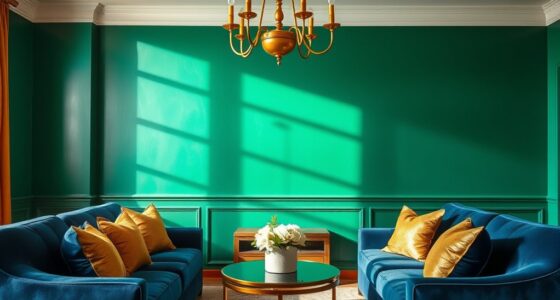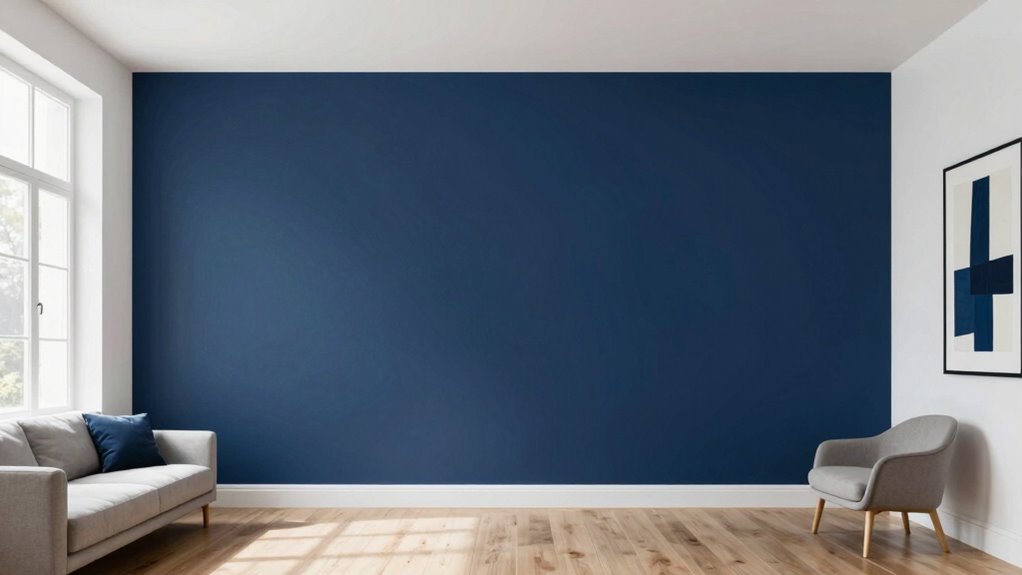

Before choosing a feature wall color, consider how it will influence your space’s mood, mood, and lighting. Think about natural sunlight and artificial lighting, as these can change how the color looks throughout the day. Match the color with your existing décor and furniture, and decide on a finish that suits your style and lifestyle. Dark shades can cozy up a room, while light hues make it feel bigger. Keep exploring to get the most out of your choice.
Open a free Amazon Business account
Business pricing, bulk buying and tax-exempt orders.
As an affiliate, we earn on qualifying purchases.
Key Takeaways
- Consider the desired mood and emotional response you want the space to evoke.
- Test color samples in different lighting conditions over several days before committing.
- Ensure the feature wall complements existing décor, furniture, and overall room style.
- Choose a finish that aligns with the room’s function and aesthetic, like matte or high-gloss.
- Incorporate eco-friendly and sustainable paint options for healthier indoor air quality.
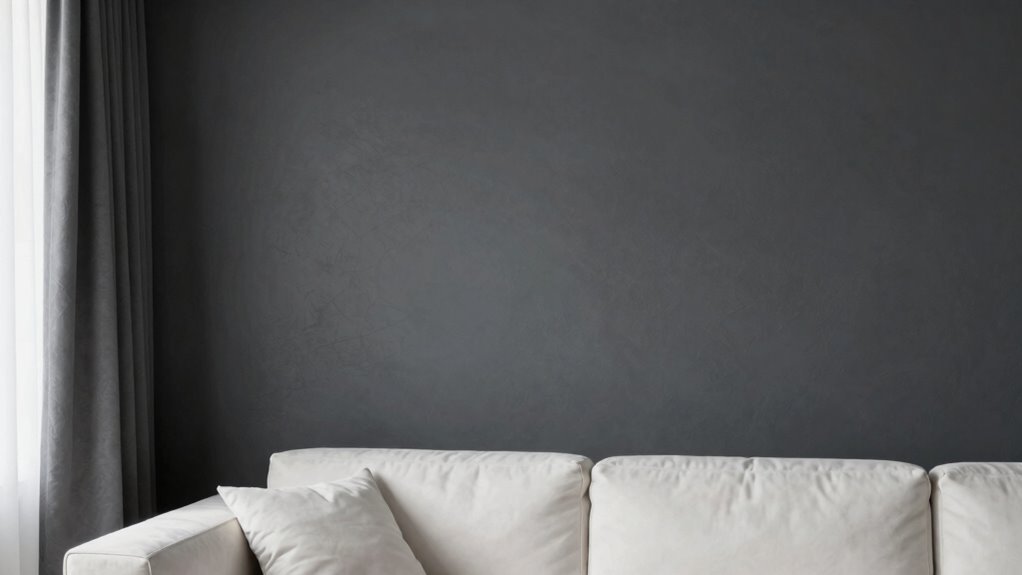
Have you ever wondered how to choose the perfect color for your feature wall? Picking the right shade isn’t just about what looks good; it’s about understanding how color psychology influences your space and mood. For example, bold reds or vibrant yellows can energize a room, while calming blues or soft greens create a tranquil atmosphere. Think about the vibe you want to establish and how different colors evoke specific emotions. The lighting in your room also plays a significant role, as natural sunlight can change how a color appears during the day, and artificial lighting might alter its mood at night. So, before you commit, test a few samples on your wall, observing how they look in various lighting conditions over several days.
Choosing the right feature wall color depends on mood, lighting, and personal style. Test samples first.
In addition to choosing the right color, you should contemplate your paint finish options. The finish affects both the look and durability of your feature wall. Matte finishes offer a smooth, non-reflective surface that minimizes imperfections, making them ideal if you want a subtle, sophisticated look. Satin or eggshell finishes provide a slight sheen that can add warmth and depth, while also being easier to clean—perfect for high-traffic areas. If you’re aiming for a more dramatic, high-gloss appearance, a gloss finish will reflect light brilliantly, creating a striking effect. However, keep in mind that glossier paints tend to highlight wall imperfections, so preparation is key. Your choice of finish should align with your aesthetic preferences, lifestyle, and the room’s function. Understanding biodiversity in the environment can inspire you to incorporate natural elements or eco-friendly paints into your decorating choices, promoting sustainability. Additionally, considering eco-friendly paints can help reduce environmental impact and improve indoor air quality. Incorporating color psychology into your selection process can further enhance the emotional impact of your space by aligning colors with desired moods and behaviors. Being aware of the paint finish options can also help you select the most suitable type for your specific needs and style. Moreover, exploring eco-conscious paint brands can offer you additional options that align with sustainable living principles.
Beyond color psychology and paint finish options, it’s vital to consider the existing décor and furniture. You want your feature wall to complement the room rather than clash with it. If your furniture features bold patterns or vibrant colors, a more neutral wall color might work best to balance the space. Conversely, if your furnishings are minimalistic, a striking color on your wall can serve as a focal point and add personality. Also, consider the room’s size—darker shades tend to make a space feel cozier but smaller, while lighter hues can make it appear more spacious.
Ultimately, choosing a feature wall color involves a mix of emotional response, practical considerations, and aesthetic harmony. Take your time to explore different options, test colors in your space, and think about how each element interacts. When you do your homework, you’ll create a feature wall that not only looks fantastic but also enhances the overall ambiance of your room.
eco-friendly interior wall paint
As an affiliate, we earn on qualifying purchases.
As an affiliate, we earn on qualifying purchases.
Frequently Asked Questions
How Do I Choose a Feature Wall Color for Small Rooms?
To choose a feature wall color for small rooms, consider light, neutral shades to make the space feel larger, or go bold with accent wall ideas for a pop of personality. Opt for matte or eggshell paint finishes to add subtle texture without overwhelming. You might also try a slightly darker hue than the other walls to create depth, but keep the overall palette balanced to avoid cluttering the space.
What Are the Best Colors to Make a Room Appear Larger?
To make a room appear larger, opt for light, neutral colors like soft blues, creams, or pale grays. Use accent wall ideas that incorporate these shades, and keep the rest of the walls subtle. Color contrast tips suggest pairing a lighter wall with darker furniture or accessories for depth. Avoid dark, heavy colors on the main walls; instead, focus on creating an airy, open feel with your feature wall choice.
Can a Feature Wall Affect the Room’s Mood?
A feature wall definitely affects your room’s mood through color psychology. Bright, warm hues like reds and yellows can energize and create excitement, while cool tones like blues and greens promote calmness. It also influences visual balance, making your space feel harmonious or dynamic. By choosing the right color, you can set the tone and mood you desire, making your room feel more inviting, lively, or relaxing.
How Do I Match a Feature Wall Color With Existing Decor?
To match a feature wall color with your existing decor, start by considering accent patterns and texture options. Choose a wall color that complements your furniture and accessories, and look for accent patterns that tie everything together. Incorporate texture options like textured paint or wallpaper to add depth. Keep the color palette harmonious, ensuring your feature wall enhances rather than clashes with your decor for a cohesive, stylish look.
Are There Any Colors to Avoid for Feature Walls?
Avoid colors that scream or clash, like neon shades or overly dull hues, because they can dominate or dull your space entirely. Bright reds and intense oranges, for example, evoke strong emotions according to color psychology, but might overwhelm a room. Stick to balanced paint finishes and colors that complement your decor, ensuring your feature wall enhances rather than overpowers, creating harmony and a calming atmosphere.
Conclusion
Choosing the right feature wall color can transform your space into a stunning sanctuary, turning your home into a masterpiece that leaves visitors in awe. Remember, this decision isn’t just about paint—it’s about expressing your personality and setting the mood for your entire room. Don’t rush it; your perfect feature wall will be worth the wait. When you pick wisely, you’ll create a focal point that’s as memorable as a masterpiece—forever elevating your home’s style and soul.
Evergreen bestsellers Picks
bestsellers
As an affiliate, we earn on qualifying purchases.