
Choosing eco-friendly materials for your home reduces your environmental impact and creates a healthier space. Opt for renewable options like bamboo flooring or reclaimed wood, and consider insulation made from recycled or natural fibers. Using low-VOC paints and non-toxic finishes improves indoor air quality. Supporting local suppliers with sustainable practices also minimizes transportation emissions. Embracing these choices not only benefits the planet but can boost your home’s comfort and efficiency—exploring this further reveals even more ways to make sustainable upgrades.
Key Takeaways
- Opt for renewable, low-impact materials like bamboo flooring and reclaimed wood to reduce environmental footprint.
- Use insulation made from recycled or natural fibers such as sheep’s wool or cellulose for thermal efficiency.
- Select low or zero-VOC paints and natural finishes to improve indoor air quality and minimize chemical emissions.
- Prioritize local sourcing and choose suppliers with sustainable certifications to support eco-friendly manufacturing.
- Incorporate durable, high-quality products to ensure longevity, reduce waste, and maximize the benefits of eco-friendly choices.
Have you ever wondered how you can make your home more eco-friendly while saving money? One of the best ways is by choosing sustainable materials for your home improvements. These choices not only reduce your environmental impact but can also lower your energy bills over time. For example, installing solar panels can considerably cut your reliance on fossil fuels, harnessing the sun’s power to generate clean energy for your household. Solar panels are a smart investment; they might seem costly upfront, but they pay for themselves through lower electricity costs and potential tax incentives. Pairing solar energy with energy-efficient appliances further maximizes your home’s eco-friendliness. These appliances use less power while delivering the same performance, helping you cut down on electricity consumption and reduce your carbon footprint.
Choosing sustainable materials and solar energy reduces environmental impact and lowers your bills long-term.
When selecting materials, opt for those that are renewable and have a low environmental impact. Bamboo flooring, for instance, grows quickly and regenerates faster than hardwood, making it a sustainable alternative. Reclaimed wood is another excellent choice, giving new life to materials that would otherwise end up in landfills. For insulation, consider sheep’s wool or cellulose made from recycled paper. These materials provide effective thermal insulation, reducing the need for heating and cooling, which in turn lowers your energy use. When you choose eco-friendly paints, look for low or zero-VOC options to improve indoor air quality and minimize harmful chemical emissions. Additionally, selecting high contrast ratios in your home lighting and design can improve energy efficiency by reducing the need for excessive illumination.
Incorporating sustainable materials into your home isn’t just about the environment; it’s about creating a healthier living space. Using non-toxic, natural finishes and adhesives can improve indoor air quality and reduce allergies or respiratory issues. Additionally, selecting durable, high-quality products means they’ll last longer, reducing the need for frequent replacements and waste. This approach supports a circular economy, where products are designed to last and be reused or recycled at the end of their life.
Being mindful of your material choices also involves considering local sources. Buying locally reduces transportation emissions and supports your community’s economy. Look for suppliers that prioritize sustainable practices and certifications, such as FSC for wood or GREENGUARD for indoor air quality. By making conscious choices about your materials and integrating energy-saving technologies like solar panels and efficient appliances, you’re taking meaningful steps toward a more sustainable home. These investments not only benefit the planet but also make your living space more comfortable and cost-effective for years to come.
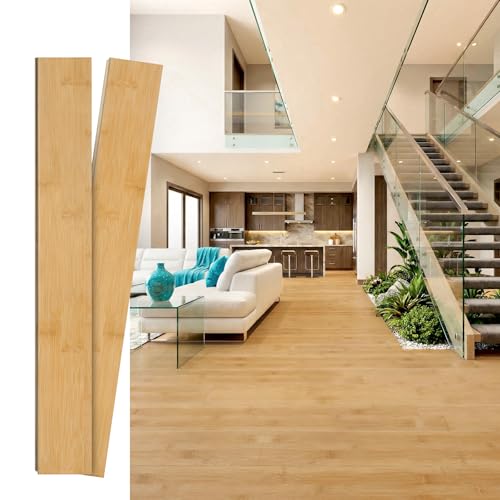
JEEDESON Solid Bamboo Hardwood Flooring Planks, 37.8" x 3.78" x 0.6", Easy Tongue & Groove Floating Floor for Living Room Bedroom Study Room, 20 Planks (19.84 Sq Ft), Light Honey
Jeedeson Natural Carbonized Bamboo Flooring Jeedeson bamboo flooring is crafted from 100% natural bamboo,Each plank features slight variations…
As an affiliate, we earn on qualifying purchases.
As an affiliate, we earn on qualifying purchases.
Frequently Asked Questions
How Do Eco-Friendly Materials Affect Home Insulation Quality?
Eco-friendly materials improve your home’s insulation quality by offering better thermal resistance, helping you stay warm in winter and cool in summer. They also enhance moisture control, preventing mold and mildew buildup. These materials are often made from natural or recycled sources, ensuring your insulation is both effective and environmentally safe. By choosing eco-friendly options, you boost energy efficiency while supporting sustainable living practices, making your home more comfortable and eco-conscious.
Are Sustainable Materials More Cost-Effective Long-Term?
Sustainable materials often turn out to be more cost-effective over time, even if their initial cost is a bit higher. You’ll find that maintenance expenses tend to be lower, thanks to their durability and eco-friendly properties. This means you save money in the long run and contribute to a healthier planet. Investing in sustainable options now can provide long-term financial and environmental benefits, making your home a smarter, greener choice.
What Certifications Should I Look for in Eco-Friendly Building Materials?
You should look for green building certifications and eco label standards when selecting eco-friendly building materials. Certifications like LEED, WELL, or BREEAM indicate that materials meet strict environmental and health criteria. These labels guarantee the products are sustainably sourced, have low emissions, and are energy-efficient. Choosing certified materials helps you reduce your environmental impact and supports healthier indoor environments, making your home more sustainable and eco-conscious.
Can Eco-Friendly Materials Be Integrated Into Existing Home Structures?
Did you know that nearly 60% of homeowners retrofit their homes each year? You can definitely integrate eco-friendly materials into your existing structure, but be prepared for retrofit challenges. You’ll need to take into account material compatibility to make certain the new eco-friendly options work seamlessly with your current setup. Careful planning and expert advice can help you reduce costs and maximize the environmental benefits of your home upgrade.
How Do Sustainable Materials Impact Indoor Air Quality?
You’ll notice that sustainable materials improve indoor air quality by reducing air pollutants and allergen levels. These eco-friendly options emit fewer volatile organic compounds (VOCs), which helps lower air pollutant levels. Plus, they often feature better allergen control, making your environment healthier. By choosing sustainable materials, you create a safer, cleaner space that benefits your respiratory health and overall well-being.

vidaXL Vintage Cabinet Multicolor Reclaimed Solid Wood Compact Durable
【Stable & Sustainable Construction】: Crafted from reclaimed wood, this end table offers exceptional stability and durability while supporting…
As an affiliate, we earn on qualifying purchases.
As an affiliate, we earn on qualifying purchases.
Conclusion
Think of your home as a mighty tree, rooted in the earth and reaching toward the sky. By choosing eco-friendly materials, you’re nurturing its growth and strength, ensuring it stands tall for generations. Every sustainable choice you make is like watering its roots—transforming your space into a vibrant, resilient sanctuary. Embrace this journey of green home improvement, and watch your home flourish, just like a thriving tree that gives back to the planet it calls home.

EVOLVE Interior Paint & Primer, Eggshell (Cloud White), 1 Gallon – One-Coat Coverage, Excellent Hide, Low VOC, Low Odor, Washable Paint for Walls, Doors & Trim
PAINT + PRIMER IN ONE: Evolve’s paint-and-primer formula helps you get great coverage from the start, sealing your…
As an affiliate, we earn on qualifying purchases.
As an affiliate, we earn on qualifying purchases.

ECO-WORTHY 200 Watts 12 Volt/24 Volt Solar Panel Kit with High Efficiency Monocrystalline Solar Panel and 30A PWM Charge Controller for RV, Camper, Vehicle, Caravan and Other Off Grid Applications
[Wide Application]: Daily Output 800wh/day under 4 hours full sunshine condition. Perfect for RV, Caravan, Marine, Camper, Electric…
As an affiliate, we earn on qualifying purchases.
As an affiliate, we earn on qualifying purchases.