Touchless faucets use sensors like infrared or ultrasonic to detect your hand movements, and they rely on power sources such as batteries, AC adapters, or hybrid systems. Battery life varies from 6 months to 2 years, and you’ll know it’s time to replace them when responsiveness slows or warning signals appear. Proper installation and quality components guarantee durability and reliable performance. If you want to learn how to optimize these systems, keep exploring for tips and solutions.
Key Takeaways
- Touchless faucets primarily use infrared or ultrasonic sensors for motion detection, requiring proper calibration for reliable operation.
- Power sources include batteries, mains electricity, or hybrid systems; battery life typically ranges from 6 months to 2 years.
- Regular maintenance, sensor cleaning, and sensitivity adjustments help prevent false activations and ensure consistent performance.
- Environmental factors like ambient light and reflective surfaces can affect sensor accuracy, necessitating proper installation and calibration.
- High-quality sensors and power components enhance durability, reduce malfunctions, and support hygienic, efficient faucet operation.
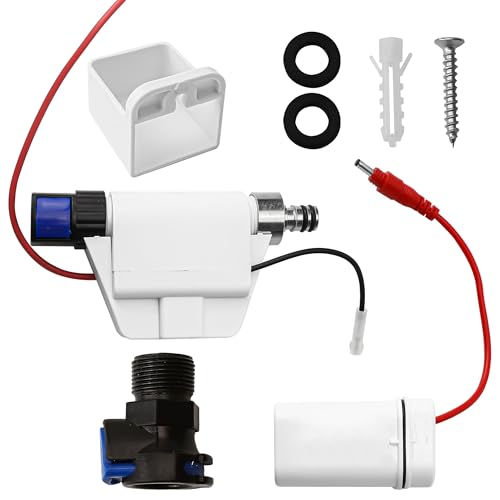
Touch Controller Accessories Induction Sensor Replacement Part with Battery Holder with Signal line (No Battery Included) for Smart LED Waterfall Kitchen Faucet Mixer Tap with Temperature Display
Smart Touch Control: This touch controller accessory allows for seamless operation of your kitchen faucet with smart induction…
As an affiliate, we earn on qualifying purchases.
As an affiliate, we earn on qualifying purchases.
What Are Touchless Faucets and How Do They Work?
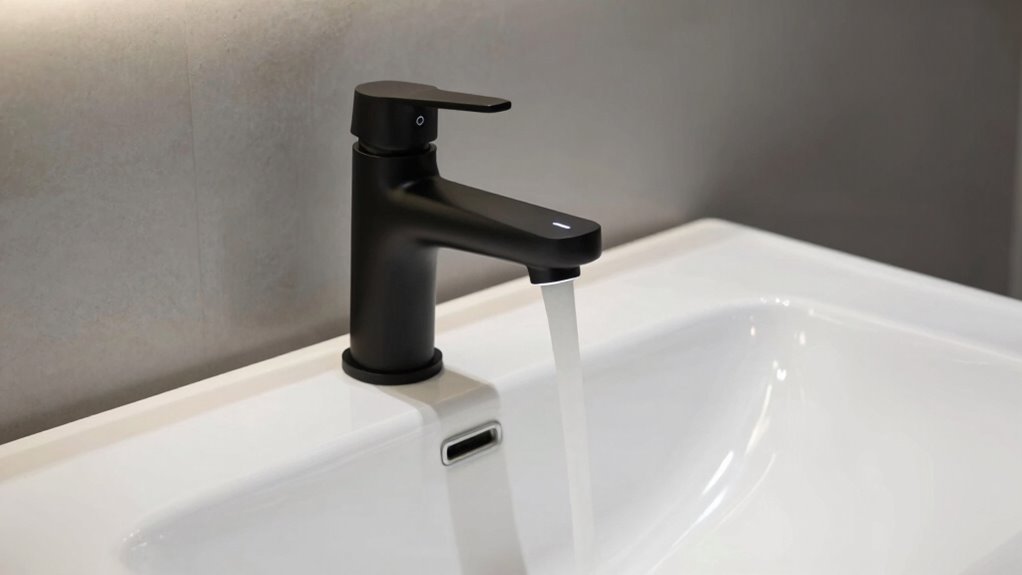
Touchless faucets are modern fixtures that allow you to turn the water on and off without touching the handle, using sensor technology instead. When considering installation, think about the sink size, power source, and plumbing compatibility to guarantee proper setup. These faucets often require a nearby power supply, either batteries or an electrical outlet, so plan accordingly. Water conservation is a key benefit, as the sensors automatically shut off the water when your hands move away, reducing waste. Installing a touchless faucet may involve some adjustments to your existing plumbing, but many models are designed for easy retrofit. Proper installation considerations help maximize efficiency, making these fixtures both environmentally friendly and convenient for everyday use. Additionally, understanding the sensor technology involved can help you choose the best model for your needs. Incorporating power source options and understanding their impact on placement and operation can further enhance the functionality of your touchless faucet. Being aware of installation requirements can help ensure a seamless setup and long-term performance.

Yodel Faucet Chrome Touchless Bathroom Sink Faucet – Automatic Sensor Faucet – Dual Power Supply 110V AC or Battery Operated for Commercial
Automatic Sensor Faucet – upgrade your bathroom with our Motion Sensor Faucet for 1 or 3 hole, activate…
As an affiliate, we earn on qualifying purchases.
As an affiliate, we earn on qualifying purchases.
How Do Touchless Faucets Detect Hand Movements?
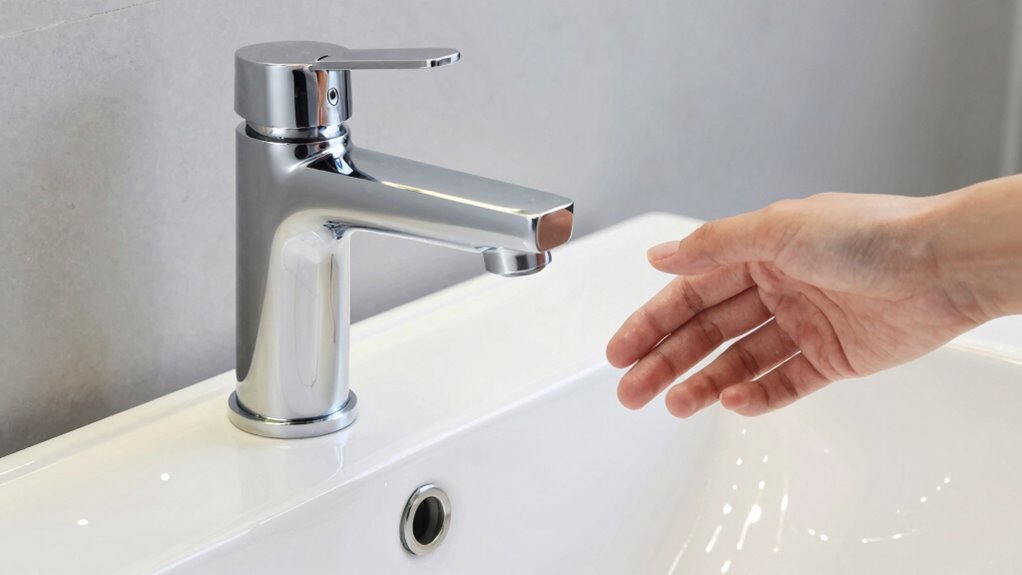
Touchless faucets detect hand movements using different sensor activation methods, primarily infrared and ultrasonic. Infrared sensors pick up heat from your hand, while ultrasonic sensors use sound waves to sense motion. Understanding how these technologies work can help you choose the right faucet for your needs. Additionally, be aware of sensor limitations, such as sensitivity to ambient light or interference from other electronic devices, which can affect performance. Some advanced models incorporate smart technology to improve reliability and user experience. These smart features often include machine learning algorithms that adapt to user habits and environmental changes, enhancing overall functionality. Being familiar with sensor technology can also help troubleshoot common issues and ensure proper installation.
Sensor Activation Methods
Sensor activation methods are the core technology that allows touchless faucets to detect when your hands are nearby. These systems use different techniques to identify motion or presence, guaranteeing reliable operation. You might notice that some faucets activate quickly after sensor calibration, which adjusts sensitivity for accurate detection. The sensors also monitor water temperature adjustments, preventing accidental scalding or cold surprises.
Here’s how they work:
- Infrared sensors detect heat signatures from your hands
- Ultrasonic sensors measure distance via sound waves
- Capacitance sensors sense changes in electrical charge from hand proximity
- Sensor calibration fine-tunes sensitivity for consistent response
These methods ensure your faucet activates smoothly and responds appropriately to your movements, providing a hygienic, hands-free experience.
Infrared Versus Ultrasonic
Infrared and ultrasonic sensors are two popular methods that touchless faucets use to detect your hand movements. Infrared sensors work by emitting a beam of infrared light, which reflects off your hand and triggers the faucet. They’re simple and energy-efficient, making them common in smart home setups focused on water conservation. Ultrasonic sensors, on the other hand, send out high-frequency sound waves that bounce back when your hand enters the detection zone. These sensors are more sensitive and can detect a wider range of movements, even through thin barriers. Both types help minimize water waste and improve hygiene. Choosing between them depends on your smart home system’s compatibility and your preference for sensitivity. Ultimately, both promote efficient water use by activating only when needed. Understanding sensor technology can help you make a more informed choice for your faucet setup.

Bathfinesse Touchless Bathroom Sink Faucet Commercial Infrared Motion Sensor Automatic Faucet, Battery or Plug-in Powered, Hot & Cold Mixer Tap, Hands-Free Faucet with Hole Cover Plate, Chrome
【Automatic Sensor Touchless Faucet】 Hands-free operation makes this bathroom sink faucet perfect for any commerical space.
As an affiliate, we earn on qualifying purchases.
As an affiliate, we earn on qualifying purchases.
What Sensors Do Touchless Faucets Use, and How Do They Work?
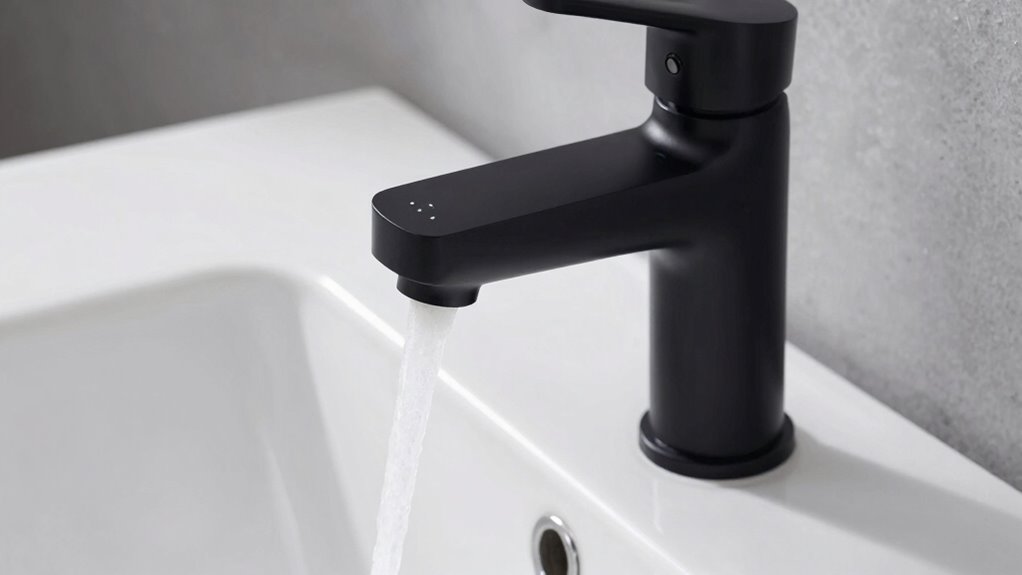
Many touchless faucets rely on advanced sensing technology to detect when your hands are nearby, activating the water flow automatically. These sensors typically use infrared or ultrasonic technology, which can be calibrated for accuracy and to prevent false activation. Proper sensor calibration guarantees the faucet responds only when intended, reducing accidental water flow. When working correctly, the sensors detect your hands quickly and turn the water on or off seamlessly. Additionally, sensor calibration is crucial for maintaining reliable operation and avoiding frustrations caused by false triggers. Regular sensor maintenance can also help ensure consistent performance over time. However, environmental factors like bright lights or moving objects can cause false activation if the sensors aren’t properly calibrated. To avoid this, manufacturers often include adjustable sensitivity settings, allowing you to fine-tune the sensor’s response. Understanding the sensor technology used in these faucets can help you troubleshoot issues or choose models with better reliability. This technology makes your experience more hygienic and efficient, with minimal effort needed to operate the faucet.

Hiqufet Touchless Kitchen Sink Faucet with Pull Down Sprayer, Stainless Steel Smart Motion Sensor Faucet for Pot Filler, Farmhouse Camper Bar Sink Laundry Room, Brushed Nickel
CONVENIENT AND EASY TO USE: Gently wave your hand or approach the sensing area, the touchless kitchen faucet…
As an affiliate, we earn on qualifying purchases.
As an affiliate, we earn on qualifying purchases.
What Power Sources Keep Touchless Faucets Running?

Touchless faucets rely on a variety of power sources to operate smoothly, ensuring they respond quickly when your hands are detected. Most commonly, they use batteries, which provide easy installation and portability while maintaining water conservation by activating only when needed. Some models are connected directly to a household’s electrical supply, offering consistent power without the need for battery replacements. There are also hybrid options that combine both power sources for reliability. The choice of power source can impact the aesthetic design, with battery-powered units often featuring sleek, concealed compartments to preserve a clean look. Additionally, power management features can optimize energy use and extend the lifespan of the power sources. Modern designs also incorporate energy-efficient technology to further reduce power consumption. To enhance overall performance, some units include automatic shut-off features, which help conserve energy when the faucet is not in use. Incorporating smart sensor technology can further improve responsiveness and efficiency. Furthermore, selecting the appropriate power source can influence the installation process and ongoing maintenance requirements, which is an important consideration for homeowners and professionals alike. Ultimately, your selection depends on your environment, preference for maintenance, and desire for efficient water conservation, all while keeping your faucet’s design stylish and unobtrusive.
How Long Do Batteries Last in Touchless Faucets and When to Replace Them?
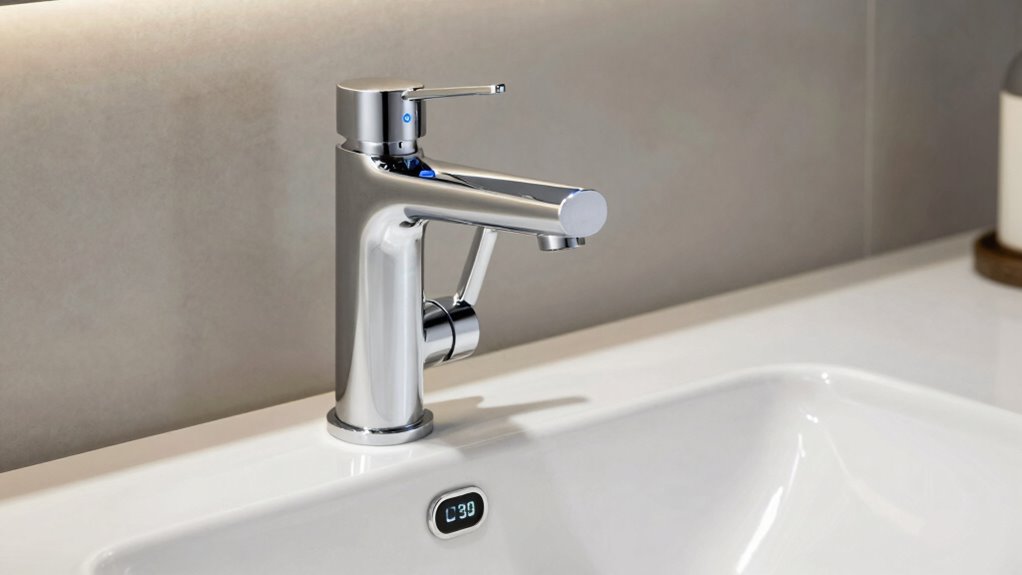
Your touchless faucet’s batteries typically last between six months and two years, depending on usage. Keep an eye out for signs like reduced sensor responsiveness or longer wait times for water to turn on. Replacing the batteries promptly guarantees your faucet keeps working smoothly. Regularly inspecting for microplastics in dust can also help maintain overall indoor air quality and prevent potential sensor blockages. Additionally, ensuring proper battery maintenance can extend the lifespan of your touchless faucet’s power source. Properly storing spare batteries and using the recommended types can further prevent corrosion and prolong battery life. Being aware of battery lifespan and monitoring usage patterns can help you plan timely replacements. Additionally, understanding the sensor technology used in your faucet can assist in troubleshooting and optimizing performance.
Battery Life Expectations
How long do batteries typically last in touchless faucets? It varies depending on usage and sensor calibration, but most batteries last between 6 months to 2 years. High power consumption from frequent use or improper sensor calibration can drain batteries faster. To maximize lifespan, guarantee your sensors are calibrated correctly to avoid unnecessary activation. Proper security features and sensor management can further prolong battery life. Additionally, battery quality plays a crucial role in longevity, as premium batteries tend to last longer. Here are some factors affecting battery life:
- Frequency of use: More frequent handwashing speeds up drain.
- Sensor sensitivity: Higher sensitivity can increase power consumption.
- Quality of batteries: Premium batteries last longer.
- Environmental conditions: Cold or humid areas may impact performance, making it essential to consider climate conditions for optimal battery performance.
Monitoring usage helps you anticipate when to replace batteries before the faucet stops working. Efficient sensor calibration reduces power consumption, extending battery life and saving you money.
Signs of Battery Drain
Knowing when batteries are running low helps prevent unexpected faucet failures. Signs of battery drain include decreased sensor responsiveness, delayed activation, or intermittent operation. If your faucet’s sensor calibration seems off or the water flow is inconsistent, it’s a clear indicator that battery maintenance is needed. Pay attention to warning lights or beeps from the faucet, as these often signal low power. Regularly replacing batteries prevents sudden malfunctions and preserves sensor accuracy. Keep in mind that weak batteries can cause inaccurate sensor calibration, leading to false activations or no response. To avoid issues, replace batteries proactively based on manufacturer recommendations and monitor for any signs of drain. Staying attentive ensures your touchless faucet performs reliably and efficiently.
How Can You Troubleshoot Sensor Issues and Improve Detection?
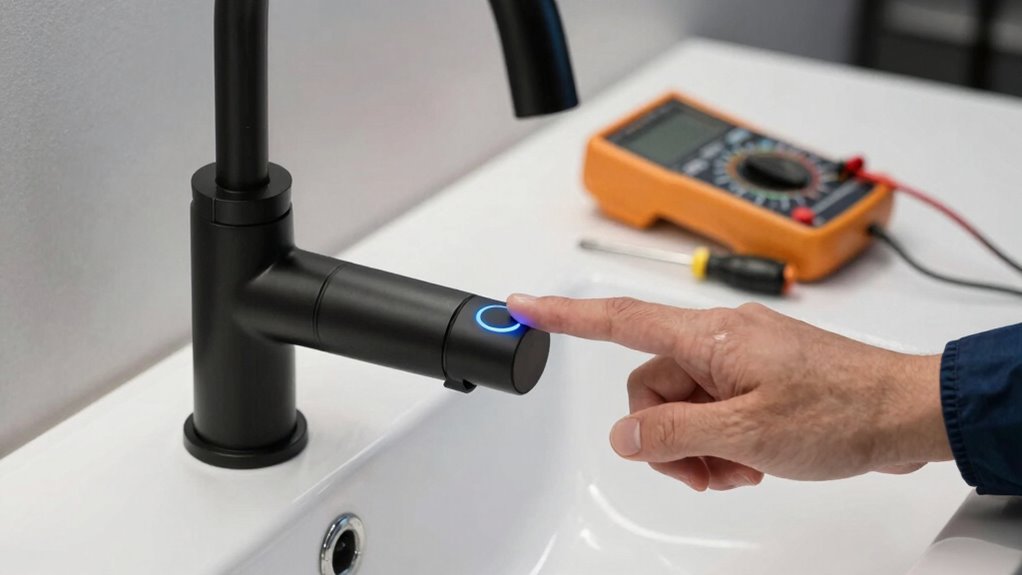
Sensor issues can often be resolved by identifying and addressing common problems that interfere with detection. Start with sensor calibration to ensure the sensor is accurately detecting motion. Follow troubleshooting procedures like cleaning sensor lenses to remove dirt or water spots that block signals. Check for obstructions or reflective surfaces that could confuse the sensor. Adjust the sensor’s sensitivity settings if available, to improve detection range.
Address sensor issues by cleaning lenses, removing obstructions, recalibrating, and adjusting sensitivity for reliable detection.
- Clean the sensor lens gently with a soft cloth
- Remove any objects or debris near the sensor area
- Reset or recalibrate the sensor according to manufacturer instructions
- Ensure the sensor isn’t facing direct sunlight or bright lights
Do Touchless Faucets Require Special Plumbing or Installation?

Most touchless faucets are designed to be compatible with standard plumbing systems, but some models may require specific installation steps or additional components. You might need minimal plumbing modifications, such as adjusting supply lines or ensuring proper mounting space. Typically, installation requirements are straightforward, but certain models could demand extra wiring or power sources for sensors and electronics. If your existing plumbing setup doesn’t meet these needs, you may have to make simple modifications or consult a professional. It’s essential to review the manufacturer’s instructions beforehand to confirm compatibility and identify any special installation steps. Overall, most touchless faucets are user-friendly and don’t require extensive plumbing changes, making them a convenient upgrade for your bathroom or kitchen.
How Do Power and Sensor Choices Affect Faucet Durability and Reliability?
The choice of power source and sensor type directly impacts a touchless faucet’s durability and reliability. Your selection influences how often you’ll need to calibrate sensors, how well the faucet adapts to changing conditions, and overall longevity. Poor power options can cause inconsistent operation or damage over time. To ensure long-term performance, consider these factors:
- Sensor calibration stability: Reliable sensors maintain calibration longer, reducing maintenance.
- Power consumption: Lower power use extends battery life and minimizes replacements.
- Sensor sensitivity: Proper sensitivity prevents false activations or missed detections.
- Power source quality: High-quality batteries or power supplies support consistent operation and protect against surges.
Choosing wisely means fewer malfunctions, less downtime, and a more dependable touchless experience.
What Safety and Hygiene Benefits Do Touchless Faucets Offer?
Touchless faucets considerably enhance safety and hygiene by reducing the spread of germs and bacteria. When you don’t need to touch handles, you minimize cross-contamination, supporting better hand hygiene. This is especially important in public restrooms or healthcare settings, where infection control is critical. By eliminating the need to touch surfaces, touchless faucets help prevent the transfer of pathogens from one user to another. They encourage frequent handwashing without the worry of recontaminating hands afterward. Additionally, the automatic operation ensures water flows only when needed, reducing water waste and limiting exposure to contaminated surfaces. Overall, these faucets play an essential role in promoting safer, cleaner environments, making hygiene practices more effective and reducing the risk of illness transmission.
Frequently Asked Questions
Are Touchless Faucets Suitable for Outdoor or High-Traffic Commercial Areas?
Yes, touchless faucets can be suitable for outdoor or high-traffic commercial areas, but you should consider durability concerns and vandalism prevention. Look for models made with sturdy materials like stainless steel to withstand harsh weather and frequent use. Installing vandal-resistant features helps prevent tampering and damage. Proper maintenance and choosing the right sensor technology guarantee reliable operation, making touchless faucets a practical choice for busy outdoor or commercial spaces.
Can Touchless Faucets Be Integrated With Smart Home Systems?
Yes, you can integrate touchless faucets with your smart home system. Many models support smart home integration, allowing you to control and monitor them remotely. Just confirm proper sensor calibration so they respond accurately to your gestures. Compatibility varies, so check if your smart home platform supports the faucet’s connectivity options like Wi-Fi or Zigbee. This setup enhances convenience and helps you manage water usage efficiently.
What Maintenance Is Required to Keep Sensors Functioning Properly?
They say “prevention is better than cure,” so keeping your sensors in top shape is key. Regularly check sensor calibration to ensure it detects your hands correctly, and replace batteries when needed to avoid unexpected failures. Clean the sensor area gently with a soft cloth to prevent dirt buildup. These small steps keep your touchless faucet functioning smoothly, saving you frustration and maintaining hygiene effortlessly.
Are There Eco-Friendly or Water-Saving Models Available?
Yes, you can find eco-friendly models with water-saving features that reduce usage and conserve resources. These touchless faucets often incorporate sensors that control flow efficiently, helping you save water without sacrificing convenience. Look for products labeled as water-efficient or environmentally friendly, and check for certifications like WaterSense. By choosing these models, you support sustainability while enjoying the benefits of modern, touchless technology.
How Do Temperature Controls Work in Touchless Faucet Systems?
Ever wonder how touchless faucets control temperature? It all hinges on precise temperature sensors and control valves. When you move your hand, sensors detect your intent, while control valves adjust hot and cold water flow instantly. This seamless process guarantees your water is just right. The sensors constantly monitor water temperature, making sure you get consistent comfort every time, without manual adjustments.
Conclusion
Touchless faucets are like the smart assistants of your bathroom—convenient, hygienic, and easy to use. By understanding how sensors and power sources work, you can keep them running smoothly and troubleshoot issues quickly. Think of them as the reliable friends who never let you down, provided you give them the right care. With a little attention, your touchless faucet will serve you well, making everyday tasks feel as effortless as flipping a switch.