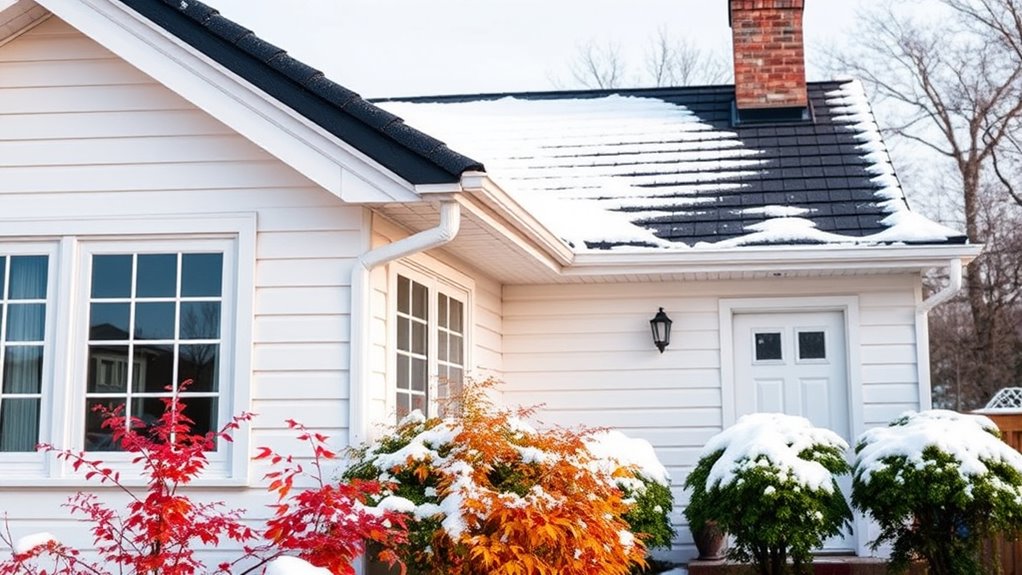

To protect your home year-round, focus on weatherproofing and seasonal upkeep. Install storm windows, clean gutters regularly, and seal gaps around doors and windows to prevent drafts. Insulate your attic and basement to keep temperatures stable and prevent moisture issues. Remember to winterize outdoor faucets and inspect your exterior for damage. Staying proactive with these tips will help you save energy and avoid costly repairs—discover more essential strategies as you continue.
Key Takeaways
- Install storm windows and add insulation to improve energy efficiency and prevent heat loss year-round.
- Regularly clean gutters and install guards to prevent water damage and foundation issues.
- Seal cracks around doors, windows, and siding to reduce drafts and improve home insulation.
- Maintain attic and basement ventilation, insulation, and moisture control to prevent mold and structural damage.
- Conduct seasonal inspections and upgrades to weatherproof your home and ensure resilience against changing weather conditions.

Are you prepared to protect your home from the changing seasons? Weatherproofing is essential to keep your home safe, comfortable, and energy-efficient all year long. As temperatures fluctuate and storms become more frequent, taking proactive steps can save you money and prevent costly damage. One of the first things you should consider is installing storm windows. These add an extra layer of insulation, helping to keep cold air out during winter and heat out during summer. Storm windows are a simple, cost-effective way to improve your home’s energy efficiency, reduce drafts, and protect your windows from the elements.
Protect your home year-round with storm windows for added insulation and energy efficiency.
Alongside storm windows, regular gutter cleaning plays a crucial role in seasonal maintenance. Gutters direct rainwater away from your home, preventing water from seeping into your foundation or causing leaks. Clogged gutters can lead to overflowing, which may damage siding, landscaping, and even cause basement flooding. Make it a habit to clean out your gutters at least twice a year—preferably in the spring and fall—and after any major storms. Using a sturdy ladder and gloves, remove leaves, twigs, and debris to ensure proper drainage. You might also consider installing gutter guards to minimize future buildup and make maintenance easier.
Beyond storm windows and gutter cleaning, inspecting your home’s exterior is vital. Check for cracks in the foundation, damaged siding, or missing shingles. Seal gaps around doors and windows with weatherstripping or caulk to prevent drafts that can spike your heating and cooling costs. Additionally, winterize outdoor faucets and sprinkler systems to prevent freezing and bursting pipes. Cover exposed pipes with foam insulation, and drain hoses to avoid damage during freezing temperatures.
Don’t forget about the attic and basement. Proper insulation and ventilation are key to maintaining a stable indoor climate and preventing moisture buildup. Adequate insulation keeps your home warm in winter and cool in summer, reducing the workload on your HVAC system. Ventilation prevents mold growth and maintains indoor air quality. Check for signs of dampness or mold, especially in areas prone to humidity, and address issues promptly. Regularly updating your home’s weatherproofing features can also contribute to long-term savings and resilience against seasonal weather changes.
Incorporating these seasonal maintenance tasks into your routine ensures your home remains resilient against the elements. Regularly inspecting and upgrading your home’s weatherproofing features not only preserves its value but also enhances your comfort and energy savings. By staying attentive to storm windows, gutter cleaning, and overall exterior upkeep, you can confidently face whatever weather comes your way, knowing your home is protected year-round.
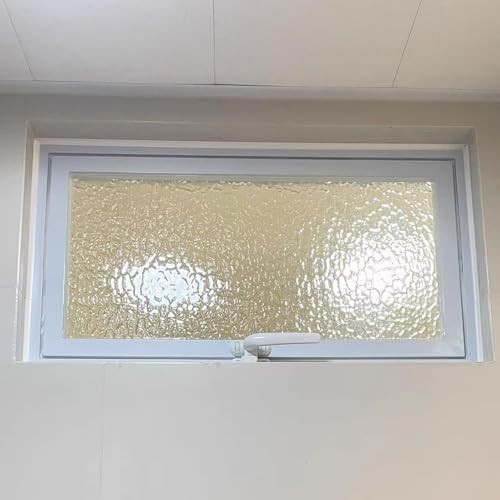
Rotatable Sliding Windows – 16x20in Ventilated Metal Frame for Loft, Basement, Hotel & Restaurant Replacement Storm Windows, Energy Efficient & Easy to Install
Enhanced Ventilation: Our Rotating Shed Windows are designed to optimize Airflow, ensuring fresh air circulates freely. The innovative…
As an affiliate, we earn on qualifying purchases.
As an affiliate, we earn on qualifying purchases.
Frequently Asked Questions
How Often Should I Inspect My Home’s Exterior for Weatherproofing?
You should inspect your home’s exterior at least twice a year, ideally in spring and fall. During these inspections, check the exterior paint for chips or cracks and clean gutters to prevent water damage. Regularly examining these areas helps you spot issues early, ensuring your home stays weatherproofed. Don’t forget to look for gaps or damage around windows and doors too, maintaining your home’s durability throughout the seasons.
What Are Cost-Effective Seasonal Maintenance Tips for Homeowners?
Think of seasonal maintenance as saving money while giving your home a hug. You can use cost-saving strategies like sealing gaps and adding weatherstripping to keep heating and cooling bills low. Budget-friendly upgrades, such as installing a programmable thermostat or insulating pipes, make a difference without breaking the bank. Regularly cleaning gutters and inspecting the roof also prevent costly repairs later, helping your home stay protected year-round.
How Can I Identify Hidden Leaks or Drafts in My Home?
You can identify hidden leaks or drafts by feeling for cold spots around windows, doors, and outlets. Use your hand or a lit candle to detect airflow. Check for insulation gaps in your attic and basement, which can cause drafts and mold detection issues. Seal leaks with weatherstripping or caulk, and consider professional mold testing if you notice persistent moisture or mold. This proactive approach keeps your home energy-efficient and safe.
When Is the Best Time to Schedule Professional Weatherproofing Services?
You should schedule professional weatherproofing services during mild weather, ideally in early fall or late spring, to avoid extreme temperatures. Consider timing considerations like off-peak seasons and weather conditions that could delay work. Use scheduling strategies such as booking in advance or during periods of low demand. This guarantees your home gets protected efficiently, reducing energy costs and preventing damage during harsh weather months.
Are There Eco-Friendly Products for Weatherproofing and Seasonal Upkeep?
Did you know that eco-friendly products make up nearly 30% of the weatherproofing market? You can choose sustainable materials and biodegradable sealants that protect your home without harming the environment. These products are just as effective as traditional options, offering insulation and sealing benefits while reducing chemical runoff and waste. By opting for eco-friendly weatherproofing, you’re helping to preserve nature and ensure a healthier home for your family.

RAPTOR GUTTER GUARD – 48 FT. (Nominal) Contractor Grade Stainless Steel Micro-Mesh Gutter Guard Kit with Screws Included. Fits 5 in. Gutters and Smaller. DIY-Friendly. (5.625 in. x 47.625 in.)
[EASY TO INSTALL] This kit includes 48 FT. (Nominal) of Stainless Steel Micro-Mesh Gutter Guard and self-tapping screws….
As an affiliate, we earn on qualifying purchases.
As an affiliate, we earn on qualifying purchases.
Conclusion
Think of your home as a sturdy ship steering through changing seasons. With proper weatherproofing and seasonal maintenance, you’re guiding it safely through storms and calm waters alike. By taking these steps, you’re not just protecting your home—you’re strengthening its armor against the elements. Stay proactive, stay prepared, and your home will weather any season with confidence, remaining a safe harbor for you and your loved ones year-round.
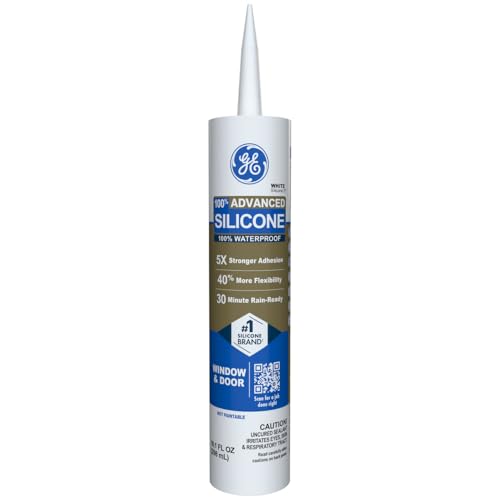
GE Advanced Silicone Caulk for Window & Door, White, 10 fl oz Cartridge, 1 Pack – 100% Waterproof Silicone Sealant, 5X Stronger Adhesion, Shrink & Crack Proof
100% Waterproof and Weatherproof Silicone Caulk Protection: This silicone caulk white provides ultimate waterproof and weatherproof protection for…
As an affiliate, we earn on qualifying purchases.
As an affiliate, we earn on qualifying purchases.
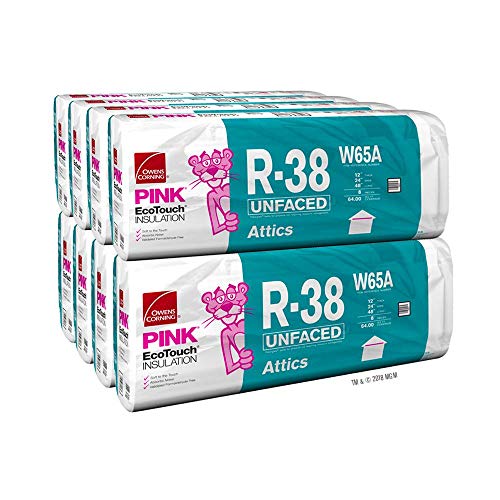
Owens Corning 512 SQFT 8 Bags of R-38 Unfaced 24 by 48 Fiberglass Batt Fits 2X12 attic
Attic This product is recommended for an attic application. Place this in between your trusses. For unfaced insulation…
As an affiliate, we earn on qualifying purchases.
As an affiliate, we earn on qualifying purchases.