TL;DR
A hands-on comparison of sage green paints found that many shades look similar, with differences emerging in their undertones, depth and appearance under different lighting. The report recommends testing paint in the room where it will be used before choosing a wall color.
A hands-on comparison of sage green paints found that many shades are close in appearance, but their undertones and depth can shift how they look on a wall. The report tested samples from several paint brands and concludes that room lighting and placement matter as much as a shade’s label when choosing paint.

Get furniture and decor delivered free with Prime
- Fast, free delivery on millions of items
- Prime Video, Amazon Music and more included
- Member-only deals all year
The comparison included Lick Green 02, Little Greene’s Sage Green and Hillside, and Mylands’ Myrtle Green, with Farrow & Ball’s Green Smoke also introduced as a familiar option. The tester described Green 02 as a classic sage with darker gray and blue undertones, while Mylands Myrtle Green appeared among the softest shades in the group. These are observations from the report’s sample tests, not standardized color measurements.
Application and sampling options differed. Lick sells peel-and-stick samples for Green 02, while the report says Little Greene’s tester pots were easy to reseal and apply. The tester found Mylands’ paint thicker than some of the other products and said it seemed to produce a richer pigment, while cautioning that its consistency should be considered when estimating coverage and coats.
Little Greene’s Hillside appeared bolder online than it did on the sample, according to the tester, who described it as a warmer, more contemporary take on sage. The brand describes it as a warmer version of its Sage Green and says it can add warmth to cool living rooms and functional kitchens. The comparison also notes that Green Smoke by Farrow & Ball is familiar to the tester, but the supplied material does not provide a full assessment of how it performed beside the other paints.
Choosing Sage Paint for Your Walls
Similar sage shades can look different once their undertones meet the light in your room. Sample the paint in its intended space before choosing.
What sets the shades apart
These are the tester’s observations, not standardized color measurements.
Lick Green 02
Described as a classic sage with darker gray and blue undertones.
Mylands Myrtle Green
Appeared among the softest, more muted shades in the group.
Little Greene Hillside
The tester found it warmer and bolder online than it looked on the sample.
Why the room matters
A shade can shift in appearance with its undertones and the light in the space.
- Images may not show the paint’s true depth.
- Small chips may hide how it reads across a wall.
- Natural and artificial light can change its appearance.
- Compare it with flooring, woodwork and furnishings.
Sampling and planning
Formats and application notes vary by brand.
Lick offers peel-and-stick samples for Green 02; Little Greene provides tester pots.
Mylands paint seemed thicker to the tester, so consider consistency when planning coats and coverage.
Check the manufacturer’s instructions for coverage and recommended coats before buying full quantities.
Limits of the comparison
The report offers hands-on impressions, not a controlled product ranking.
Why Room Samples Change the Choice
Paint color shown on a screen or in a small chip may not match its appearance across a room. As the report notes, a sage shade can look lighter, darker, warmer or more muted depending on its own undertones and the light in the space. That can affect whether it reads as a quiet neutral or a more assertive green once applied to a larger wall.
Testing before buying full quantities can help homeowners compare the color against existing wood, furnishings and architectural features, and see how it changes in the room’s natural and artificial light. It also helps with practical planning: paint texture and sampling format differ by brand, and estimates for coverage and coats should be checked against the manufacturer’s product guidance.
The comparison does not establish that sage is definitively in or out of fashion. Instead, it shows why the category is broad: shades with the same general name can have different levels of gray, blue, warmth and depth. The choice is less about finding a universally “right” sage than identifying how a particular paint behaves in the intended space.
Products Worth Considering

Ring Battery Doorbell 4K Pro (2nd Gen)

Levoit EverestAir-P Smart Air Purifier for Large Rooms

Levoit Eleva 300X Air Purifier for Home Bedroom
As an affiliate, we earn on qualifying purchases.
How These Sage Shades Differ
Sage green has remained a recognizable interior color, but its popularity and contemporary uses have been debated, according to the source report. The comparison was prompted by that discussion and by the difficulty of judging nuanced paint colors online. It focused on examining swatches in person rather than relying only on product images.
The paints span a range within and near the sage family. Green 02 is described as cool, with gray and blue undertones; Myrtle Green is presented as softer and more muted; and Hillside leans warmer and bolder. Little Greene traces Hillside to a historical use at Hughenden Manor in Buckinghamshire and connects its name to a wartime intelligence operation. That history is brand-provided background, rather than evidence about the paint’s performance.
The brands also offer different guidance and formats. Lick provides information about pairing Green 02 and using it in rooms with different orientations, while Little Greene supplies tester pots and Mylands has reintroduced Myrtle Green from its archive. These details can help shoppers narrow options, but the source’s own sample observations remain specific to the tester’s experience.
“The perfect green for adding warmth to cool living rooms and functional kitchens.”
— Little Greene, describing Hillside
What the Sample Test Cannot Establish
The report does not give standardized color readings, controlled lighting conditions, room measurements or a side-by-side performance test covering every product. Its descriptions of undertones and texture reflect the tester’s observations and should not be treated as a guarantee of how paint will look in every home.
It also does not provide full pricing, coverage figures, drying times or durability comparisons, and the supplied material cuts off before giving a detailed account of Farrow & Ball’s Green Smoke. The report’s mention of Hillside among Little Greene’s selections for 2027 does not establish broader market demand or a general shift in design trends. Readers should check current product information and sample the specific finish and shade they plan to buy.
Test the Shade in Your Room
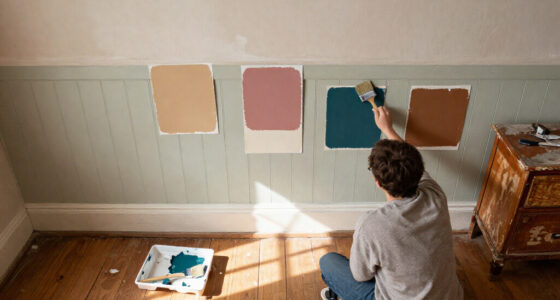
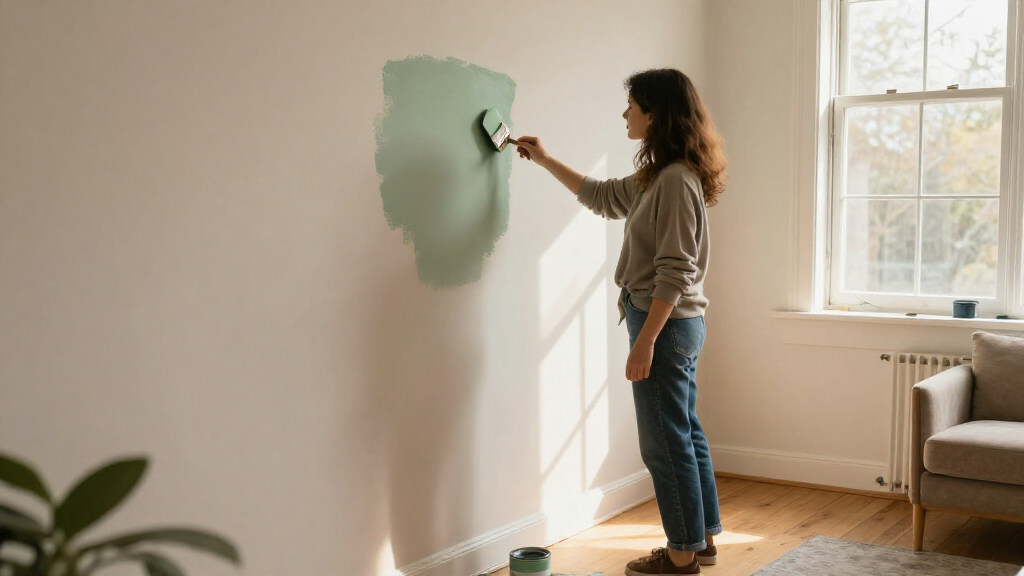
For a practical next step, compare samples on the walls where the paint is likely to go, rather than making a final decision from a screen. Observe them at different times of day and against the room’s existing flooring, woodwork and furnishings. Where available, use a brand’s sample product and follow its instructions; confirm the recommended number of coats and expected coverage before purchasing enough paint for the full project.
The report provides no further testing schedule or announced follow-up. The decision for shoppers remains local: assess the actual paint in the actual room, since the comparison found that subtle differences and lighting can change the result.
Key Questions
What is the main takeaway from the sage paint comparison?
Many of the tested shades looked similar, but undertone, depth and room lighting affected how they read. Testing a sample in the intended room is more reliable than choosing from an online image alone.
Which shade appeared softest in the report?
The tester described Mylands Myrtle Green as one of the softest shades in the group. That is a personal observation from the sample test, not a standardized ranking.
How did Little Greene Hillside differ from Sage Green?
Little Greene describes Hillside as a warmer version of its Sage Green. The tester found Hillside bolder online but more like a modern sage when sampled in person.
Should I choose sage paint based on the color shown online?
The report advises caution: online images may not show how undertones and lighting affect a shade in a real room. Use a paint sample and view it in the space before committing.
Does the report say sage green is out of style?
No. It notes that sage’s popularity has been debated, but does not establish that the color is out of style. Its focus is on how different sage shades look and how to test them.
Source: livingetc.com