TL;DR

Get furniture and decor delivered free with Prime
- Fast, free delivery on millions of items
- Prime Video, Amazon Music and more included
- Member-only deals all year
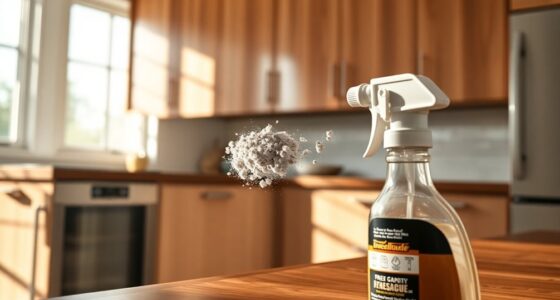
Hunker reports that plain white shaving cream can help remove everyday grease, fingerprints and grime from painted wood cabinets. The article recommends applying a small amount with a damp microfiber cloth, testing an inconspicuous area first and avoiding natural or unsealed wood; the method is a household tip, not a substitute for a cabinet-maker’s care instructions.
Hunker has reported on a household cleaning method that uses plain shaving cream to help remove grease, oily residue, fingerprints and food marks from painted wood cabinets. The article says to use a small amount on a damp microfiber cloth, wipe the surface, then remove residue with a dry cloth, while warning readers to test a hidden spot and avoid natural or unsealed wood.
The method relies on the properties of shaving cream rather than on a product sold specifically as a cabinet cleaner. Hunker says traditional creams contain cleaning compounds similar to those found in hand soaps, along with ingredients that produce a thick lather. Those ingredients may help loosen everyday dirt and oily deposits as the cream is rubbed over a surface. The report does not identify a specific chemical mechanism or offer laboratory testing of the results.
For cabinets, the article recommends choosing plain white shaving cream, not shaving gel, and avoiding formulas with added fragrance or dyes. Put a small amount on a damp microfiber cloth and rub the affected cabinet in circular motions. Pay attention to areas around knobs and handles, which are often touched. After cleaning, use a separate dry microfiber cloth to wipe away the cream and loosened residue. Hunker advises testing the chosen product on an inconspicuous area before treating a visible section.
The report says the approach is generally intended for painted wood cabinets and may help with grease, grime, oily residue and food stains. It cautions against using the cream on natural or unsealed wood, where the surface may react differently. It also describes using shaving cream on glass doors to address water spots, soapy film and smears, and says it can be used to defog mirrors. For glass, the article gives a different instruction: leave the cream on the dirty area briefly before wiping it off.
A Low-Cost Option for Painted Cabinets
The tip offers readers a possible use for a common bathroom product when cabinet surfaces have routine marks, rather than requiring them to buy a dedicated cleaner for every small job. Its appeal is practical: shaving cream may already be available at home, and the recommended tools are a microfiber cloth and water. The method is presented as a quick cleaning option for everyday buildup, not as a proven solution for every stain or finish.
The material of the cabinet matters. Painted surfaces can differ in coating and condition, while natural or unsealed wood may absorb moisture or cleaning products. A small test area can reveal an unwanted change before the method is used more widely, but it does not guarantee that every finish will tolerate the cream. Readers should follow cabinet care instructions where available and stop if the finish changes, becomes tacky or shows damage.
Hunker says its staff tried the hack on household stains, including cabinet stains, and reported that it worked. That is an account of the publication’s experience, not independent testing or a quantified comparison with purpose-made cleaners. The article does not establish that shaving cream cleans better than products designed for cabinetry, or that it is suitable for all cabinet finishes.
plain white shaving cream unscented no dye
As an affiliate, we earn on qualifying purchases.
As an affiliate, we earn on qualifying purchases.
How the Cabinet Cleaning Tip Works
Cabinet doors and handles can collect fingerprints, food splashes and oily residue through regular use. Hunker frames shaving cream as a mild alternative to reaching immediately for a heavy-duty cleaner, because the product is formulated for use on skin. That description does not mean every shaving cream is safe for every household surface; the report itself calls for a spot test and limits its cabinet recommendation mainly to painted wood.
The article’s procedure is deliberately simple: use a small quantity, work it with a damp microfiber cloth, then wipe it off with a dry one. It specifically distinguishes shaving cream from shaving gel and advises avoiding added fragrance and dyes. It names Barbasol Original Thick & Rich as one example, while saying a similar formula may be used. Hunker also discloses that it may receive a commission on purchases made through links in the report, a relevant detail when it names a branded product.
The glass use is related but not identical. The report says shaving cream can address smears, water spots and soap film on glass doors, and may defog mirrors. For that use, it recommends letting the cream sit briefly before wiping. It does not provide a fixed waiting time or claim that the same process should be applied to cabinet wood.
““While shaving cream isn’t technically a household cleaner, its formula contains ingredients that can help loosen dirt, grease, and oils from surfaces.””
— Hunker report
Limits of the Cleaning Evidence
The source is a home-cleaning report based partly on Hunker’s own trials. It provides no independent study, controlled comparison, ingredient-by-ingredient analysis or measured results showing how much dirt the method removes. It also does not specify which paint types, sealants or cabinet finishes are safe to treat, or how the cream might affect older, worn or damaged coatings.
The advice to choose a fragrance- and dye-free cream is not accompanied by a list of ingredients to avoid or an explanation of whether all plain white creams have similar formulas. The report does not give a standard contact time for cabinets, a recommended frequency of use, or guidance for persistent stains. It is therefore unclear how the method performs across different products and surfaces. Readers should not treat the recommendation as a guarantee or apply it to natural or unsealed wood.
Test Before Cleaning More
Anyone considering the method can start by checking the cabinet manufacturer’s care instructions and testing a small amount of plain white shaving cream on a hidden area. Apply it with a damp microfiber cloth, wipe gently, and remove the residue with a dry cloth. If the finish changes or the surface reacts poorly, stop and use a cleaning method recommended for that cabinet material.
Hunker’s report does not announce a formal product test or further update. The immediate next step for readers is to judge the method cautiously on their own cabinet finish; the article provides no evidence that shaving cream should replace a cleaner specified by a manufacturer.
Key Questions
What is shaving cream meant to remove from cabinets?
Hunker says it may help loosen fingerprints, grease, oily residue, grime and food stains from painted wood cabinets. The report does not establish its effectiveness on every stain or finish.
Which type of shaving cream does the report recommend?
It recommends plain white shaving cream, not gel, and advises choosing a formula without added fragrance or dyes. Hunker names Barbasol Original Thick & Rich as one example, while noting that a similar formula may work.
Can shaving cream be used on natural wood cabinets?
The report says to avoid natural or unsealed wood. For other finishes, test an inconspicuous area first and follow the cabinet maker’s care guidance if available.
How should it be applied to painted cabinets?
Put a small amount on a damp microfiber cloth, rub gently in circular motions, then wipe away the residue with a separate dry microfiber cloth. Hunker advises testing a hidden area before cleaning a larger section.
Does the report prove shaving cream works better than cabinet cleaner?
No. Hunker reports that its own trials worked, but provides no independent testing or measured comparison showing that shaving cream performs better than purpose-made cabinet cleaners.
Source: rss
Halloween Picks
halloween
As an affiliate, we earn on qualifying purchases.