
TL;DR

Get furniture and decor delivered free with Prime
- Fast, free delivery on millions of items
- Prime Video, Amazon Music and more included
- Member-only deals all year
Experts agree that washing solar panels can improve efficiency, but only under certain conditions. Regular cleaning may be beneficial, especially in dusty or polluted areas, but is not always necessary. This article explores current advice and what homeowners should consider.
Recent guidance from solar energy experts confirms that cleaning solar panels can improve their efficiency, especially in dusty or polluted environments. While not universally required, regular maintenance may help maximize energy output, making this a relevant consideration for solar panel owners seeking optimal performance.
Multiple experts and recent studies indicate that washing solar panels can increase their energy production by removing dirt, dust, bird droppings, and other debris that block sunlight. The decision to clean depends on environmental factors and the level of soiling. In areas with high pollution or frequent dust, cleaning can lead to noticeable efficiency gains, sometimes up to 20%, according to industry reports.
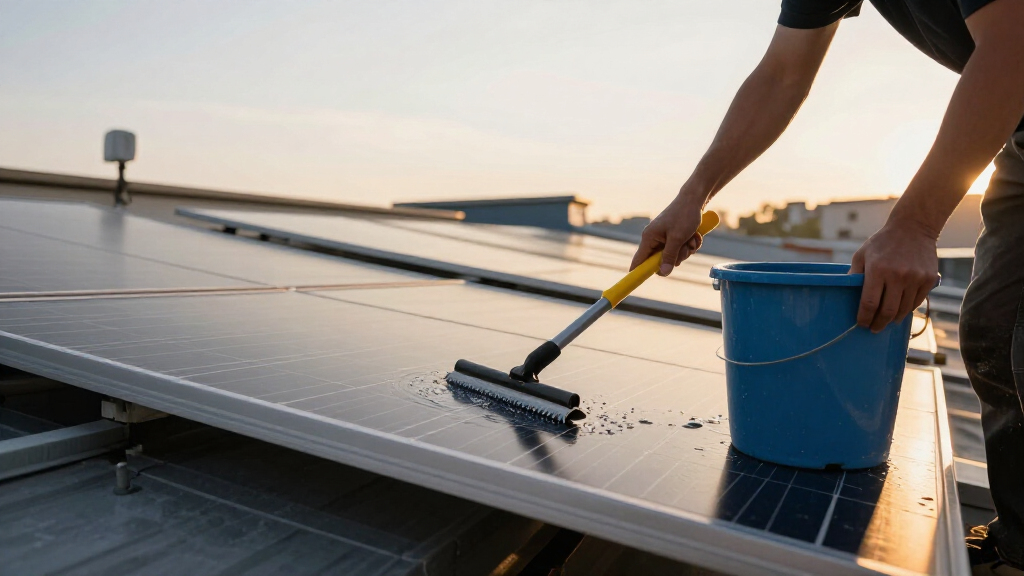
However, authorities such as the U.S. Department of Energy and solar maintenance professionals generally advise that panels only need cleaning if soiling is visible or if performance drops significantly. Routine cleaning, such as rinsing with water, is often sufficient, and abrasive cleaning methods are discouraged to prevent damage. The cost and effort involved should be balanced against the potential gains in efficiency.
Why Panel Cleaning Can Impact Solar Efficiency and Cost Savings
Understanding whether to wash solar panels is important because cleaning can potentially boost energy output, leading to higher savings on electricity bills and faster return on investment. For large-scale solar farms, even small efficiency improvements can translate into substantial financial benefits. Additionally, maintaining clean panels can extend their lifespan by preventing buildup that might cause long-term damage.
As an affiliate, we earn on qualifying purchases.
Environmental Factors and Maintenance Practices for Solar Panels
Over the past decade, solar panel technology has advanced, but maintenance remains a key factor in ensuring optimal performance. In dry, dusty regions, panels tend to accumulate more dirt, making cleaning more beneficial. Conversely, in humid or rainy areas, natural cleaning from weather may suffice. Industry guidelines suggest cleaning frequency varies, with some experts recommending every 6 to 12 months depending on local conditions.
Previous studies have shown that dirt accumulation can reduce efficiency by up to 25%, but the actual benefit of cleaning depends on how dirty the panels are and how often they are cleaned. No universal rule applies, and some manufacturers advise against aggressive cleaning methods to avoid damaging the surface.
“Cleaning solar panels can improve their efficiency, especially in environments with high dust or pollution. However, routine cleaning isn’t always necessary unless performance drops or dirt is visibly blocking sunlight.”
— Dr. Lisa Chen, Solar Energy Researcher
Unclear When Cleaning Provides Cost-Effective Gains
While expert opinions agree that cleaning can improve efficiency, it remains unclear how often homeowners should clean to achieve cost-effective benefits. The optimal frequency depends on environmental factors, panel type, and local conditions. There is also limited data on long-term effects of different cleaning methods, and some experts caution against over-cleaning, which could cause damage.
Further Research and Personalized Maintenance Recommendations
Ongoing studies aim to quantify the precise benefits of cleaning under various conditions. Manufacturers and industry groups are developing tailored maintenance guidelines. Homeowners are advised to monitor their panels for visible dirt and performance drops, and consult professional services for personalized advice. Future advancements may include automated cleaning systems that optimize efficiency without manual intervention.
Key Questions
How often should I clean my solar panels?
Cleaning frequency depends on your local environment. In dusty or polluted areas, every 6 to 12 months may be beneficial. In cleaner climates, cleaning might only be necessary if dirt is visible or performance declines.
Can I damage my panels by cleaning them myself?
Yes, using abrasive tools or harsh chemicals can damage the surface. It’s recommended to use gentle rinses with water and avoid high-pressure washers. When in doubt, hire professional cleaners familiar with solar panels.
Does rain clean my solar panels automatically?
Rain can help remove some dirt and dust, but it may not be sufficient in heavily soiled environments. Regular inspections can determine if additional cleaning is needed.
Are there any risks associated with cleaning solar panels?
Risks include damaging the panel surface or wiring if improper cleaning techniques are used. Always follow manufacturer guidelines or consult professionals for safe maintenance.
Is cleaning worth the cost in terms of energy gains?
In many cases, especially in dusty or polluted areas, cleaning can improve efficiency enough to justify the effort and cost. However, the exact benefit varies, and homeowners should evaluate based on their specific conditions.
Source: hn
Fall Picks
fall essentials
As an affiliate, we earn on qualifying purchases.