
TL;DR

Get furniture and decor delivered free with Prime
- Fast, free delivery on millions of items
- Prime Video, Amazon Music and more included
- Member-only deals all year
In June, jade plants benefit from increased light, careful watering, light pruning, and light feeding to promote healthy, sculptural growth. These straightforward tasks help keep the plant compact and thriving through summer.
In June, jade plants (Crassula ovata) respond actively to longer days and increased sunlight, making it an ideal time to adjust care routines to promote lush, sculptural growth. Properly managing light, watering, pruning, and feeding now can significantly enhance the plant’s appearance throughout summer.
As daylight lengthens and temperatures rise, jade plants typically enter a period of active growth. If their care has been on track, they will remain compact and healthy, but any neglect may result in leggy stems or uneven growth. June is a good time to optimize conditions by moving plants into brighter light, gradually increasing outdoor sun exposure, and adjusting watering routines to avoid overwatering. Light pruning can help shape the plant, removing weak or crowded stems to encourage fuller growth. A diluted, succulent-specific fertilizer applied monthly supports steady development, while close observation ensures signs of stress or improper conditions are caught early. These small, targeted adjustments are straightforward but impactful in maintaining a healthy, attractive jade plant through summer.
Why June Care Is Key for Jade Plant Health
Proper care in June directly influences the jade plant’s growth pattern, health, and appearance for the rest of summer. Implementing these simple tasks helps prevent common issues like legginess, leaf discoloration, or root stress, ensuring the plant remains a lush, sculptural focal point. This period is also an opportunity to establish a balanced growth rhythm, making future maintenance easier and more effective, especially for indoor gardeners seeking a resilient, attractive plant.
Products Worth Considering

PHILIPS Hue Smart LED Candle Light Bulb, B39, E12, 2-Pack

Levoit Vital Pet Pro Smart Air Purifier for Pets, White

Google Nest Learning Thermostat (4th Gen) with Nest Temperature Sensor (2nd Gen), Obsidian
As an affiliate, we earn on qualifying purchases.
June as a Critical Growth Period for Jade Plants
Jade plants are slow growers that respond well to increased sunlight and warmer temperatures in June. Historically, this month marks the transition from spring to summer, when their growth rate accelerates if conditions are optimal. Previous advice emphasizes the importance of adjusting light exposure gradually, watering thoughtfully, and pruning to shape their structure. These practices align with general succulent care principles, which aim to prevent stress and promote healthy, dense foliage. While jade plants are forgiving, neglect or abrupt environmental changes can lead to undesirable growth patterns or stress symptoms, making June a pivotal month for proactive care.
“June is when jade plants really start to respond to the longer days and stronger light, making it the perfect time for small adjustments that support healthy, sculptural growth.”
— Gardening Expert, Homes & Gardens
Uncertainties in Optimal June Jade Plant Care
While general guidelines are well-established, specific responses can vary based on indoor environment, local climate, and plant maturity. It remains unclear how much outdoor exposure is ideal for different regions without risking sunburn or stress, and how individual plants might react differently to minor care tweaks. Further research and observation are needed to refine these recommendations for diverse conditions.
Next Steps for Maintaining Jade Plant Health Post-June
After implementing these June care tasks, gardeners should continue to monitor their jade plants for signs of stress or overexposure to sunlight. As summer progresses, adjustments may include moving plants indoors during peak heat or refining watering habits based on soil moisture. Planning a light pruning session in late summer or early fall can help shape the plant for the upcoming season. Regular observation and incremental care adjustments will support the plant’s long-term health and aesthetic appeal, ensuring it remains a lush, sculptural feature year-round.
Key Questions
How often should I water my jade plant in June?
Water your jade plant approximately every 10-14 days, ensuring the soil dries out completely between waterings. Adjust based on your home’s humidity and temperature.
Can I move my jade plant outdoors in June?
Yes, if your climate allows, gradually introduce your jade plant to outdoor conditions by starting in partial shade and increasing sunlight exposure over a week to prevent stress or sunburn.
Should I prune my jade plant in June?
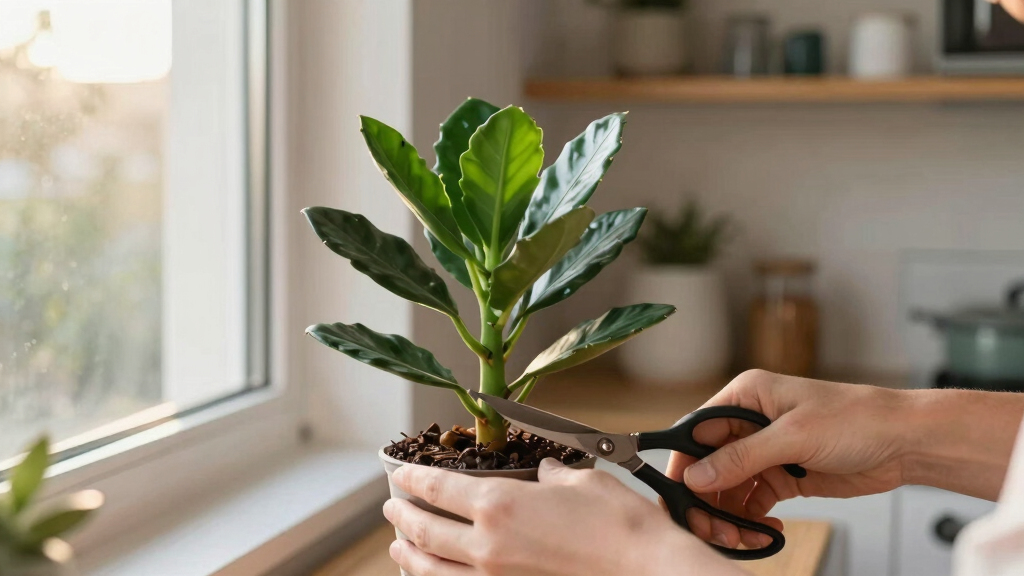
Yes, light pruning to remove weak or crowded stems helps shape the plant and encourages fuller growth. Use clean, sharp tools and avoid heavy cuts.
What type of fertilizer is best for jade plants in summer?
A diluted succulent-specific fertilizer, applied once a month, supports steady growth without encouraging legginess or weak stems.
What signs indicate my jade plant needs attention?
Leggy stems, uneven growth, leaf discoloration, or crispy edges are signs your jade plant may need more light, adjusted watering, or pruning.
Source: Homes & Gardens