
TL;DR

Get furniture and decor delivered free with Prime
- Fast, free delivery on millions of items
- Prime Video, Amazon Music and more included
- Member-only deals all year
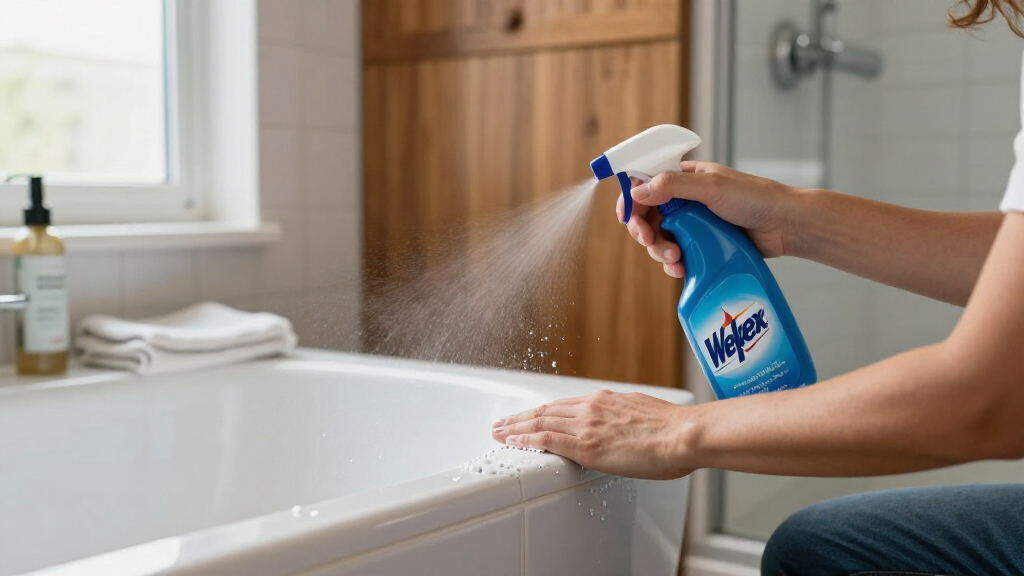
A Hunker report describes a DIY technique of lightly spraying ammonia-free Windex on freshly applied silicone caulk before smoothing it. The cleaner can reduce sticking to a finger or finishing tool, but it does not improve adhesion and may interfere with caulk applied to a surface it has reached.
A Hunker report describes a caulking tip used by some DIYers: lightly spray ammonia-free Windex on a freshly applied silicone bead before smoothing it with a finger or finishing tool. The glass cleaner is meant to help the tool glide over the sticky silicone—not to clean the joint or make the caulk bond better.
Silicone caulk can cling to fingers and tools as it is worked, making it harder to form a neat, even bead. According to Hunker, a light mist of ammonia-free glass cleaner can provide slip during this tooling step, helping the finger or tool move across the surface without dragging the material as readily. The advice is presented as a technique some home-improvement enthusiasts recommend, not as a requirement for applying silicone.
The report cautions that the cleaner can cause problems if it reaches an area where caulk has not yet been applied. Windex is not an adhesion aid; if it gets onto a spot that silicone must bond to, it could interfere with that bond. Hunker suggests spraying the finishing tool instead of the caulk as an alternative way to limit contact with the surrounding joint.
Timing also matters. After laying a bead, the report says to spray lightly and smooth it promptly because silicone begins to form a skin as it cures. For longer joints, it recommends working in sections rather than applying a long bead and leaving it untouched. Preparing the surface, applying a steady bead and using painter’s tape to define its edges are also described as ways to reduce uneven results.
A Smoother Bead Without Bonding Claims
The technique addresses a common finishing problem: silicone’s tackiness can make a newly applied bead difficult to tool cleanly. For people sealing a joint around a tub, sink or other fixture, a smoother finish can improve the appearance of the work. The source, however, frames Windex as a limited handling aid, not a substitute for surface preparation or correct application.
The distinction matters because caulk must adhere to the joint to perform its sealing function. Using cleaner carelessly could undermine that bond at a spot where the caulk needs to attach. The advice is therefore most useful when readers understand both its purpose and its limits: use it during smoothing, keep it off surfaces awaiting caulk, and follow the product label for the sealant being used.
ammonia-free Windex for caulk smoothing
As an affiliate, we earn on qualifying purchases.
As an affiliate, we earn on qualifying purchases.
Silicone Needs Different Tooling
Hunker contrasts silicone with acrylic latex caulk, which the report describes as easier to tool and clean up with water. The Windex technique is aimed particularly at silicone because that material can be more difficult to smooth and clean up. It is not offered as a universal method for every kind of caulk.
The report’s recommended sequence starts before the new bead is applied: remove old silicone and lingering paint, dirt, grease or debris, then clean and dry the joint. It advises cutting the nozzle at an angle and moving steadily while applying consistent pressure. Only after the fresh silicone is in place does the optional glass-cleaner step come into play.
“The glass cleaner is not being used to clean the caulk and it does not make the silicone adhere better.”
— Hunker report
Product Compatibility Still Matters
The source presents the method as a tip recommended by some DIYers; it does not provide comparative testing establishing how consistently it works across different products or conditions. It also does not specify a spray quantity beyond advising a light application, or establish that every ammonia-free glass cleaner has the same ingredients. Readers should check the sealant manufacturer’s instructions for the product they are using. The report does not claim that Windex improves durability, sealing performance or adhesion.
Check Labels Before Smoothing
Anyone considering the technique should first prepare and dry the joint, apply the silicone according to its label, and keep the cleaner away from surfaces that still need to receive caulk. If using the method, the report advises a light spray and prompt smoothing, with the tool-only option available to reduce overspray. The next practical step is to follow the sealant maker’s guidance and allow the bead to cure as directed; the report identifies no broader product change or further development.
Key Questions
Why do some DIYers spray Windex on silicone caulk?
Hunker says the cleaner can add slip so a finger or finishing tool moves more easily over fresh silicone while shaping the bead.
Does Windex help caulk stick?
No. The report says it does not improve adhesion and warns that cleaner on a surface awaiting caulk could interfere with bonding.
Should Windex be sprayed on the caulk or the tool?
The report describes lightly spraying the fresh bead, but also suggests spraying the tool instead to reduce the chance of cleaner reaching areas where caulk needs to adhere.
Is this technique recommended for acrylic latex caulk?
The report focuses on silicone, which it describes as harder to tool. It says acrylic latex is generally easier to smooth and cleans up with water, so Windex is less necessary.
How quickly should the bead be smoothed?
Hunker advises smoothing promptly after application because silicone begins forming a skin as it cures. Follow the sealant label for product-specific instructions.
Source: rss
Halloween Picks
halloween
As an affiliate, we earn on qualifying purchases.