
TL;DR

Get furniture and decor delivered free — and shop member deals
- Fast, free delivery on millions of items
- Access to Prime Big Deal Days deals on October 6–7
- Prime Video, Amazon Music and more included
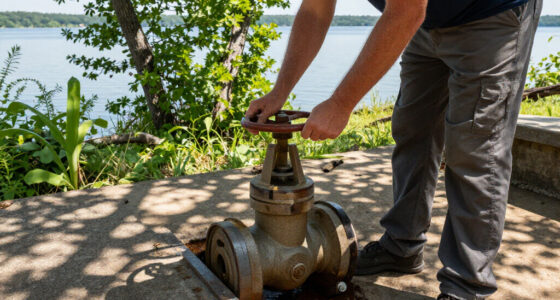
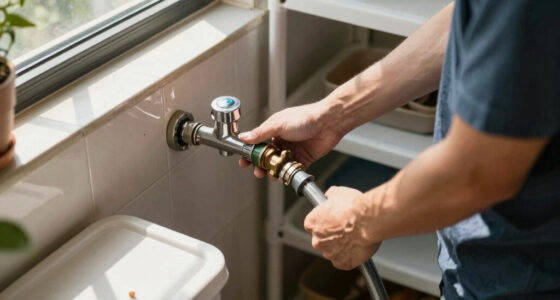
Multiple water providers across the UK have announced hosepipe bans as a response to ongoing drought conditions. The bans restrict outdoor water use to conserve supplies, impacting millions. The measures are part of wider efforts to manage water resources amid low rainfall.
Several UK water companies, including Anglian Water and Affinity Water, have announced hosepipe bans affecting millions of households and businesses. The measures, introduced to conserve water during a prolonged dry spell, mark a significant response to ongoing drought conditions that threaten water supplies across the country.
The bans, which restrict outdoor water use such as watering gardens, filling pools, and cleaning cars, are currently in effect in multiple regions, including parts of eastern and southern England. Anglian Water, one of the largest providers, confirmed the restrictions on March 15, citing reservoir levels below 60% of capacity and a lack of significant rainfall over recent months.
Affinity Water and other regional suppliers have also announced similar restrictions, with some areas experiencing bans that will last until further notice. Officials from these companies emphasized that the measures are necessary to prevent more severe water shortages and to protect the environment. The bans are being enforced through fines and warnings for violations.
While the bans primarily target outdoor water use, some providers have urged residents to reduce overall consumption to help mitigate the crisis. Local authorities and water companies are also advising residents on water-saving tips and alternative solutions to reduce demand.
Impacts of Hosepipe Bans on UK Water Resources
The implementation of hosepipe bans underscores the severity of the current drought and ongoing climate challenges facing the UK. These restrictions aim to prevent more drastic water shortages, which could impact public health, agriculture, and industry. The bans also highlight the need for long-term water management strategies as climate change increases the frequency and severity of dry periods.
For residents, the bans mean adapting to new restrictions and adopting water conservation habits. For policymakers, they serve as a reminder of the importance of investing in sustainable water infrastructure and drought resilience measures.
As an affiliate, we earn on qualifying purchases.
Recent Drought Conditions and Water Management Measures
Over the past six months, parts of the UK have experienced below-average rainfall, leading to declining reservoir levels and groundwater supplies. The Environment Agency and water companies have issued multiple drought alerts, with some regions declared in drought status. Historically, hosepipe bans are used as a last resort when water sources fall critically low, and their recent deployment reflects the seriousness of the current situation.
Previous droughts, such as in 2018, prompted similar restrictions, but the current conditions are considered more widespread and prolonged. The UK government and water regulators continue to monitor the situation and are exploring measures to enhance water security long-term.
It is still unclear how long the current bans will remain in place, as they depend on rainfall and reservoir recovery.
“We are implementing hosepipe bans to protect our water supplies during this unprecedented dry spell.”
— Anglian Water spokesperson
Unclear Duration and Long-Term Impact of Restrictions
It is not yet clear how long the hosepipe bans will remain in effect, as they depend on future rainfall and reservoir recovery. The potential for additional restrictions or easing measures remains uncertain, pending weather conditions and reservoir levels.
Experts warn that climate variability could lead to recurring droughts, but specific long-term impacts of current restrictions are still being assessed.
Monitoring, Rainfall, and Future Water Policies
Water companies and authorities will continue to monitor reservoir levels and weather forecasts. Additional restrictions may be introduced if conditions worsen, or bans may be eased if rainfall improves. Long-term strategies, including infrastructure upgrades and water conservation campaigns, are expected to be prioritized to reduce reliance on emergency measures.
Residents are advised to stay informed through official updates and continue practicing water-saving habits.
Key Questions
How long will the hosepipe bans last?
The duration depends on weather conditions and reservoir levels. It is currently uncertain and will be reviewed regularly by water authorities.
What activities are restricted under the hosepipe bans?
Restrictions typically include watering gardens, filling pools, cleaning cars, and using hosepipes for outdoor purposes.
Are fines being issued for violations?
Yes, water companies have stated they will enforce fines and warnings for violations of the hosepipe bans.
Can I still water my plants with a watering can?
Most bans target hosepipe use; watering with a watering can is generally permitted, but residents should verify local rules.
What long-term solutions are being considered to prevent future shortages?
Authorities are exploring infrastructure improvements, water recycling, and conservation campaigns to enhance water resilience.
Source: google-trends
Fall Picks
fall essentials
As an affiliate, we earn on qualifying purchases.