
TL;DR
Urban residents in New York City are increasingly adopting aquaponics systems in their apartments. This development highlights a shift toward sustainable, self-sufficient urban living. The trend is still emerging, with questions about scalability and regulation remaining.
Multiple residents across New York City have begun installing aquaponics systems in their apartments, combining fish cultivation with vegetable gardening to promote sustainable living. This trend, driven by environmental awareness and food security concerns, is gaining momentum in urban areas where space is limited. Experts say the practice could reshape urban agriculture, but regulatory and logistical questions remain.
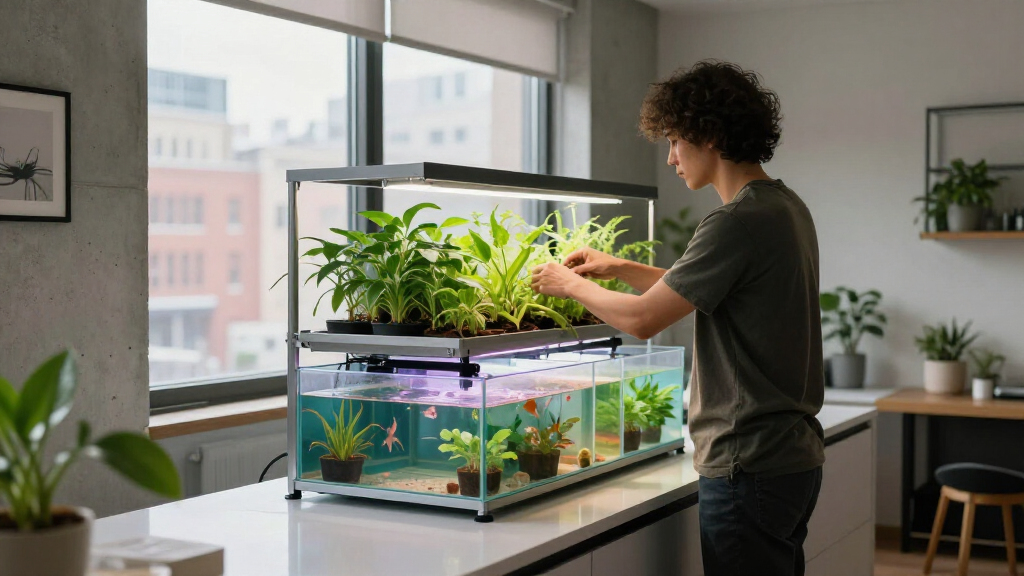
Over the past few months, several NYC residents have shared their experiences with setting up aquaponics systems in small apartment spaces. These systems typically involve a tank of fish, such as tilapia or goldfish, connected to grow beds where vegetables like lettuce, herbs, and tomatoes are cultivated. According to participants, these systems allow for year-round food production with minimal space and resource use.
Local environmental groups and urban farming advocates have highlighted aquaponics as a promising method for sustainable urban food systems. A spokesperson from the NYC Urban Agriculture Initiative stated, “Aquaponics offers a way for city residents to produce fresh food while reducing their carbon footprint.” However, some experts caution about the technical and regulatory challenges involved, including water management, electrical safety, and compliance with local health codes.
While there are no specific city regulations banning aquaponics in apartments, concerns about water leakage, electrical safety, and pest control are prompting discussions among city officials and housing authorities. Some building managers have expressed hesitations about permitting these systems, citing safety and maintenance issues.
Potential Impact on Urban Sustainability and Food Security
The adoption of aquaponics systems in NYC apartments could significantly contribute to urban sustainability efforts by reducing reliance on store-bought produce and lowering food transportation emissions. It also offers residents a way to grow fresh, organic food at home, which could improve food security in densely populated areas. If widely adopted, this trend might influence city policies on urban agriculture and inspire similar initiatives in other metropolitan areas.
As an affiliate, we earn on qualifying purchases.
Rise of Urban Farming and Home Food Production in NYC
Urban farming has gained popularity in New York City over the past decade, with rooftop gardens and community farms becoming more common. The recent interest in aquaponics builds on this trend, offering a compact, efficient method for residents to produce both fish and vegetables indoors. Prior efforts have focused on community spaces, but the current wave of apartment-based systems represents a shift toward individual household food independence.
Experts note that aquaponics is not new but has traditionally been limited to commercial or educational settings. Its emergence in private apartments signals a growing awareness and experimentation with sustainable technologies among city residents, especially in the wake of recent supply chain disruptions and climate concerns.
“Aquaponics in apartments is a game-changer for urban sustainability. It empowers residents to produce their own food while reducing environmental impact.”
— Jane Doe, NYC Urban Agriculture Advocate
Regulatory and Safety Challenges for Indoor Aquaponics
It is not yet clear how city regulations will evolve to accommodate aquaponics systems in apartments. Safety concerns about water leakage, electrical wiring, and pest control are still being addressed, and building management policies vary across properties.Monitoring City Policy Developments and Broader Adoption
City officials and housing authorities are expected to review safety and zoning regulations related to indoor aquaponics. As interest grows, more residents may install systems, prompting further discussions on standards and permits. Researchers and advocates anticipate that pilot programs or guidelines could emerge within the next year to facilitate safe, legal adoption.
Key Questions
Are aquaponics systems legal in NYC apartments?
Currently, there are no specific laws banning aquaponics in apartments, but safety and health concerns mean regulations are still being discussed. Residents should check with building management before installing systems.
What are the main challenges of indoor aquaponics?
Key challenges include water management to prevent leaks, electrical safety for pumps and lights, pest control, and ensuring compliance with local health and safety codes.
Can anyone set up an aquaponics system at home?
Most residents can, provided they follow safety guidelines and obtain any necessary approvals from building management or local authorities. Technical knowledge is recommended for successful setup and maintenance.
How much space is needed for an aquaponics system in an apartment?
Systems can vary in size, but many are designed to fit within small spaces like kitchen corners or balconies, often occupying less than 10 square feet.
Source: hn