
TL;DR

Get furniture and decor delivered free with Prime
- Fast, free delivery on millions of items
- Prime Video, Amazon Music and more included
- Member-only deals all year
Toad lilies are shade-loving perennials whose spotted flowers bloom in late summer and fall, when many other perennials have finished. The source report describes planting and care guidance, including choosing varieties for local hardiness zones and keeping soil moist but well drained.
A gardening report has highlighted toad lilies as a way to add blooms to shady gardens from late summer through fall, with advice on choosing varieties, planting and avoiding common problems. The perennials suit gardeners looking for flowers after many other plants have finished, but they need reliably moist, well-draining soil and protection from strong afternoon sun.
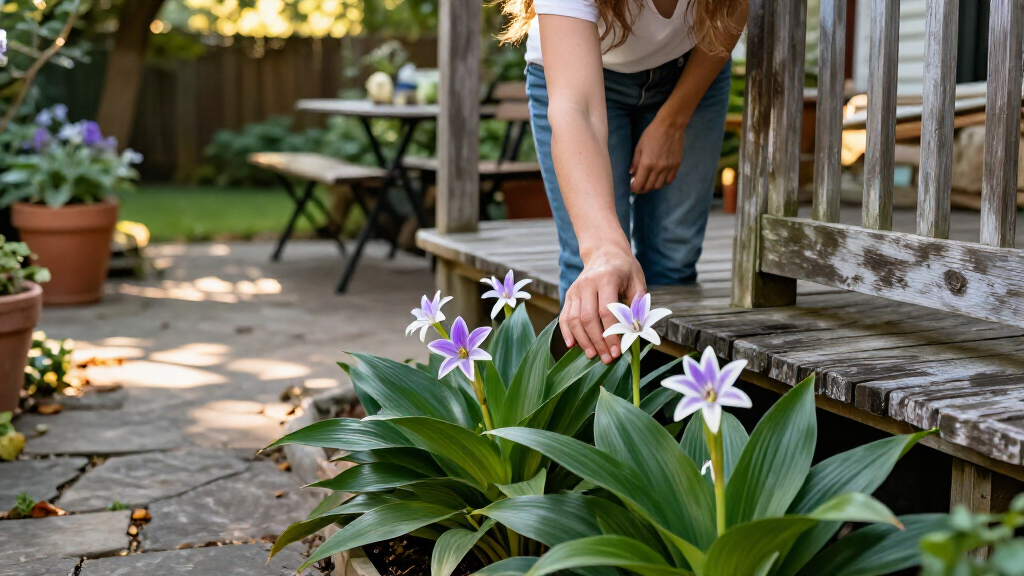
Toad lilies, in the genus Tricyrtis, are native to parts of Asia. Their small, star-shaped flowers have spotting in shades of pink, purple and white; the report says they bloom in late summer and continue through fall. Justin Lombardoni, a plant breeder at the Chicago Botanic Garden, told Veranda that the plants offer varied flower colors and patterns and bloom when many other perennials have finished.
Variety selection depends on climate. The report says most toad lilies are hardy in USDA zones 5 to 9, while some species can survive in zone 4 once established. Lombardoni recommends T. hirta and T. latifolia for colder climates, and T. formosana, T. lasiocarpa and T. macrantha for warmer ones. He cautions that some plants may be stressed in zone 9 if exposed to too much sunlight.
Plant in spring or fall, ideally when temperatures are 75°F or lower. Choose full shade or partial shade filtered by other plants; some morning light is acceptable, but afternoon sun can burn the foliage. The report recommends adding compost or other organic matter, spacing plants about 18 to 24 inches apart, and watering thoroughly after planting.
Established plants prefer soil that stays moist without becoming soggy. Water when the top inch of soil is dry; during establishment or hot periods, Lombardoni advises watering once or twice a week, depending on the site and soil. Compost can supply nutrients, with balanced, slow-release fertilizer in spring as an option if needed. Cut dead growth back in late fall or early spring. Divide established plants in spring, generally after about three years; fall division can leave roots too little time to recover before frost.
Fall Flowers for Shaded Beds
Toad lilies address a common garden gap: shaded areas can be difficult to keep in flower, and many summer perennials have stopped blooming by late season. These plants can extend the display into fall without requiring a sunny border, provided their growing conditions match their needs.
Their value is not limited to flowers. The report says toad lilies can be planted with ferns and hostas or used as loose borders along walkways and garden beds. Their preference for woodland-like conditions makes them an option for gardeners who want to add seasonal interest beneath trees or in other filtered-light locations. The practical trade-off is that they are not drought tolerant: planting them in soil that drains poorly or allowing them to dry out can cause problems.
As an affiliate, we earn on qualifying purchases.
Choosing a Variety and Site
In their natural habitat, toad lilies are commonly found at woodland edges and near stream banks, where light is dappled and soil remains moist but drains well. The report’s growing advice follows those conditions: provide shade, add organic matter where appropriate, and avoid both prolonged dryness and waterlogged soil.
The plant’s common name refers to its spotted flowers and small bumps, called nectaries, near the base of the blooms. The source identifies Tricyrtis formosana in discussing the genus and describes several other species as choices for different climates. Its recommendations are general guidance, not a guarantee that every variety will perform the same way in every garden; local conditions and the specific plant matter.
“One of the best things about toad lilies is that they have subtle but interesting flowers that come in a wide array of colors and spotting patterns.”
— Justin Lombardoni, plant breeder at the Chicago Botanic Garden, quoted by Veranda
Local Conditions Shape Results
The report gives broad hardiness ranges and species suggestions, but it does not establish how a particular cultivar will perform in every location. Local climate, shade, soil drainage and exposure can affect plant health, and the report does not identify a single variety as suitable for all gardens. It also does not provide a full list of pest-control methods or specify how quickly plants will become established.
Gardeners should treat the watering schedule as guidance rather than a fixed rule: Lombardoni’s advice varies with site and soil conditions. The report identifies yellowing or wilting leaves as early signs of overwatering and warns that persistently wet, poorly draining soil can contribute to crown or root rot. It also notes that snails and slugs may feed on the foliage, but the supplied material ends before detailing further management recommendations.
Planting and Seasonal Care
Gardeners considering toad lilies can start by checking their USDA hardiness zone and selecting a species suited to it, then finding a shaded site with good drainage. Plant in spring or fall when temperatures are moderate, water after planting, and check the soil as the plants establish so it does not dry completely or remain soggy.
As fall progresses, watch for signs of excess moisture and inspect leaves for slug or snail feeding. Cut back dead growth in late fall or early spring, and protect roots through winter with a layer of compost, mulch or straw, as the report recommends. If a plant is established and large enough to divide, plan that work for spring rather than risking a late-season division before frost.
Key Questions
When do toad lilies bloom?
The report says their spotted flowers appear in late summer and continue through fall, often after many other perennials have finished blooming.
How much sun do toad lilies need?
They prefer full shade or partial shade with filtered light. Some morning sun is acceptable, but strong afternoon sun can burn the plants.
How often should I water a toad lily?
Keep the soil consistently moist but not soggy, and water when the top inch of soil is dry. During establishment or hot weather, Lombardoni recommends once or twice weekly depending on site and soil conditions.
Can toad lilies grow in cold climates?
The report says most are hardy in USDA zones 5 to 9, while some species may survive in zone 4 once established. It recommends T. hirta and T. latifolia for colder climates.
When should I divide established toad lilies?
Divide them in spring, after they have become established, generally around three years. The report cautions that fall division may leave roots unable to recover before frost.
Source: rss
Halloween Picks
halloween
As an affiliate, we earn on qualifying purchases.