When choosing between built-ins and freestanding storage, consider your space, budget, and future needs. Built-ins provide a seamless look, maximize space, and are customizable for a long-term solution, but they cost more and are less flexible. Freestanding units are budget-friendly, easy to move, and adapt easily if your needs change. To make the best choice, weigh how much flexibility, style, and practicality matter to you—more helpful tips are ahead.

Get furniture and decor delivered free — and shop member deals
- Fast, free delivery on millions of items
- Access to Prime Big Deal Days deals on October 6–7
- Prime Video, Amazon Music and more included
Key Takeaways
- Consider your room’s layout and whether fixed, seamless integration or flexible, movable units suit your space better.
- Evaluate your budget, as built-ins typically require higher upfront costs compared to freestanding options.
- Think about long-term needs and whether you prefer permanent solutions or adaptable furniture for future changes.
- Prioritize space optimization and storage efficiency based on available room and specific organizational requirements.
- Assess aesthetic preferences and how well each option complements your existing design and style.
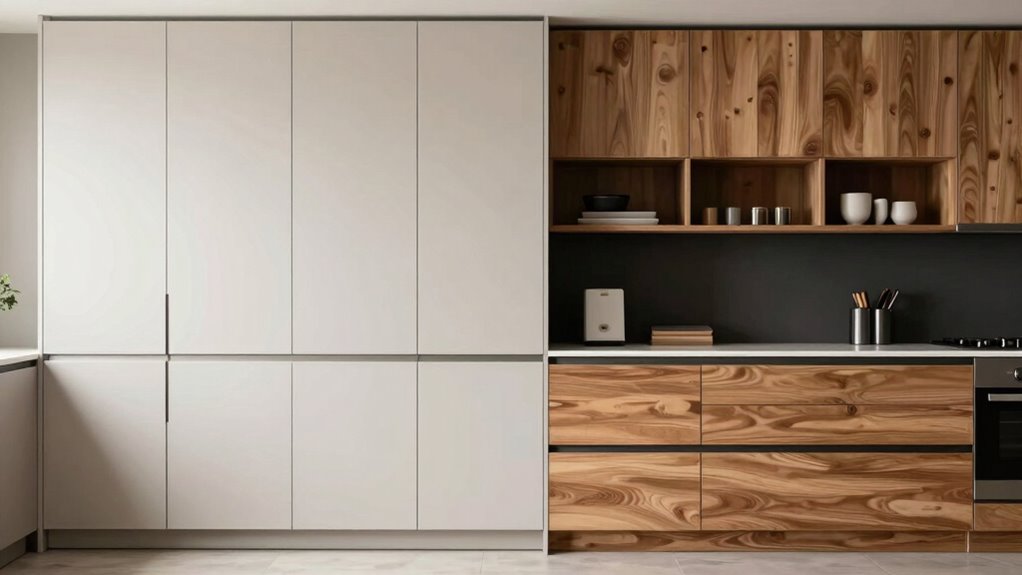
Are you overwhelmed by the variety of storage options available? Choosing between built-ins and freestanding units can seem intimidating, but understanding their features helps you make an informed decision. Built-in storage offers a high level of customization options, allowing you to tailor the design to fit your space perfectly. If you have an awkward nook, a recessed wall, or want a seamless look, built-ins can be customized to match your aesthetic and maximize space utilization. They blend into the architecture, creating a clean, cohesive appearance that can help make a room feel more spacious. Conversely, freestanding storage units are more versatile, offering flexibility to change or relocate as your needs evolve. They come in a wide array of styles, sizes, and finishes, making it easier to find something that suits your decor without the need for extensive renovations.
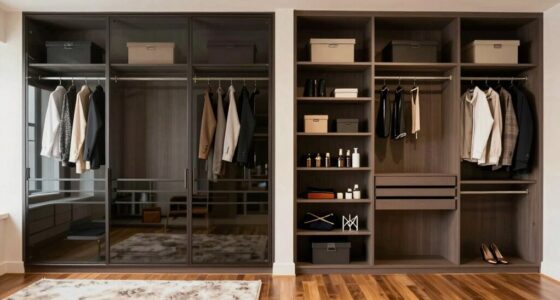
Built-in storage maximizes space and creates a seamless, cohesive look in your room.
When considering space optimization, built-ins are often the superior choice. They can be designed to utilize every inch of available space, including corners or under-stair areas, which might otherwise go unused. With built-ins, you can incorporate features like pull-out shelves, hidden compartments, or custom drawers, ensuring you’re making the most of your available room. Effective space utilization is a key factor to consider in this context. On the other hand, freestanding units, while generally easier to move or replace, may not always provide the same level of space efficiency. They can sometimes create gaps or leave unused areas around them, which can hinder overall room organization. Additionally, understanding the impact of kitchen appliance placement on storage efficiency can help you select the best option for your needs. Incorporating space-saving strategies can further enhance the functionality of either choice, depending on your specific layout. Recognizing the importance of design flexibility can also guide your decision, especially if you anticipate future changes to your space. Moreover, considering the long-term durability of the storage solutions can help ensure your investment remains functional over time.
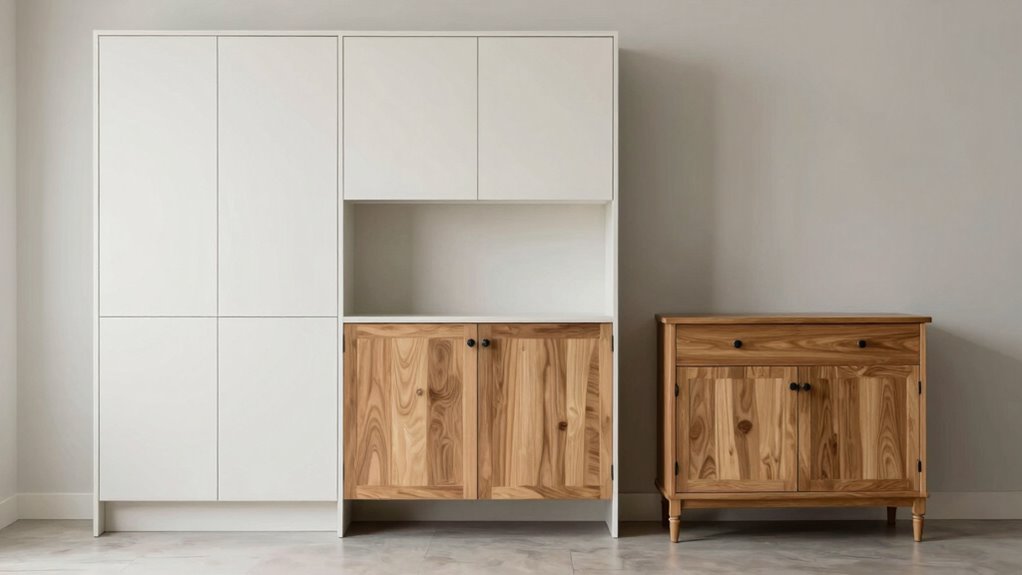
Your decision should also factor in your lifestyle and how much flexibility you want. Built-ins tend to be a permanent fixture, often requiring professional installation and a more significant upfront investment. If your needs are likely to change or if you prefer the freedom to switch things up frequently, freestanding options might be better suited. They’re typically less costly and easier to update; you can swap out a bookshelf or cabinet whenever you want a fresh look or need different storage.
Ultimately, your choice depends on your priorities—whether it’s the sleek, tailored look and maximum space optimization that built-ins provide, or the adaptability and ease of rearrangement offered by freestanding units. Consider your room’s layout, your budget, and how often you might want to modify your storage setup. By weighing these factors, you’ll find the option that best fits your space, style, and changing needs.
As an affiliate, we earn on qualifying purchases.
Frequently Asked Questions
Which Storage Option Adds More Home Value?
Built-in storage usually adds more home value because it offers superior storage efficiency and enhances aesthetic appeal seamlessly. When you install built-ins, your space looks more polished and customized, attracting potential buyers. Freestanding options are versatile but often less integrated, which might not boost value as much. You’ll benefit from a sleek, organized look with built-ins, making your home more appealing and potentially increasing its market worth.
Are Built-Ins Easier to Customize?
Built-ins are generally easier to customize because they offer modular versatility, allowing you to adapt and modify the design to fit your needs precisely. A recent survey shows 75% of homeowners prefer built-ins for their seamless integration. They enable you to achieve consistent design, creating a cohesive aesthetic throughout your space. Unlike freestanding options, built-ins can be tailored to specific dimensions and styles, making personalization straightforward and efficient.
How Do Maintenance Costs Compare?
Built-in storage typically has higher maintenance costs due to less flexible cleaning and potential repair difficulties. You might need to clean more frequently around fixed units, and repairs can be pricier if materials are less durable. Freestanding options are easier to maintain because you can move and clean them thoroughly, and they often use more durable materials, reducing long-term upkeep costs. Your choice affects ongoing maintenance expenses considerably.
Can Freestanding Units Be Integrated Into Existing Decor?
Freestanding units can be seamlessly integrated into your decor, acting like chameleons that adapt to your aesthetic harmony. You can customize their appearance with paint, hardware, or decorative accessories, making them blend or stand out as desired. With thoughtful placement and styling, these versatile pieces become part of your space rather than an afterthought, allowing you to maintain your decor’s flow without sacrificing functionality.
Which Option Offers More Flexibility for Future Changes?
Freestanding storage offers more flexibility for future changes because you can easily move and reconfigure it. With modular design, you can adapt or expand your units as your needs evolve, making space optimization straightforward. Built-ins, on the other hand, are more permanent and harder to modify once installed. If you anticipate frequent changes, choose freestanding options to keep your space adaptable and easily upgradable.
Conclusion
Ultimately, selecting between built-ins and freestanding storage boils down to your space and style preferences. Think of it as choosing between a sleek modern gadget or a classic typewriter—each has its charm. Remember, your storage should serve your needs today and adapt tomorrow, much like the timeless elegance of a well-curated library. So, take your time, weigh your options, and create a space that’s both functional and uniquely yours—no need to summon a wizard for this one.
Evergreen bestsellers Picks
bestsellers
As an affiliate, we earn on qualifying purchases.