
Embracing the “less is more” aesthetic in minimalist interior design means focusing on simplicity, functionality, and calm. You should choose neutral tones like whites, beiges, and soft grays to create a serene atmosphere. Select furniture with clean lines and minimal ornamentation, and use clever storage to keep clutter out of sight. Every piece should serve a purpose, helping your space feel open and balanced. Keep exploring to discover how to transform your home into a peaceful, stylish retreat.
Key Takeaways
- Focus on simplicity and functionality, removing unnecessary items to create calm, uncluttered spaces.
- Use a neutral color palette with whites, beiges, and muted earth tones for a serene environment.
- Choose furniture with clean lines and minimal ornamentation, prioritizing purpose and practicality.
- Incorporate seamless storage solutions to hide excess items and maintain a tidy appearance.
- Emphasize intentional design by reducing clutter, selecting purposeful décor, and creating a balanced, peaceful home.

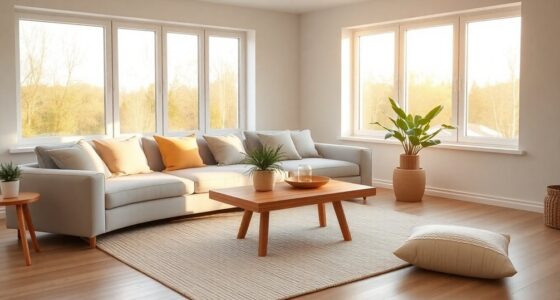
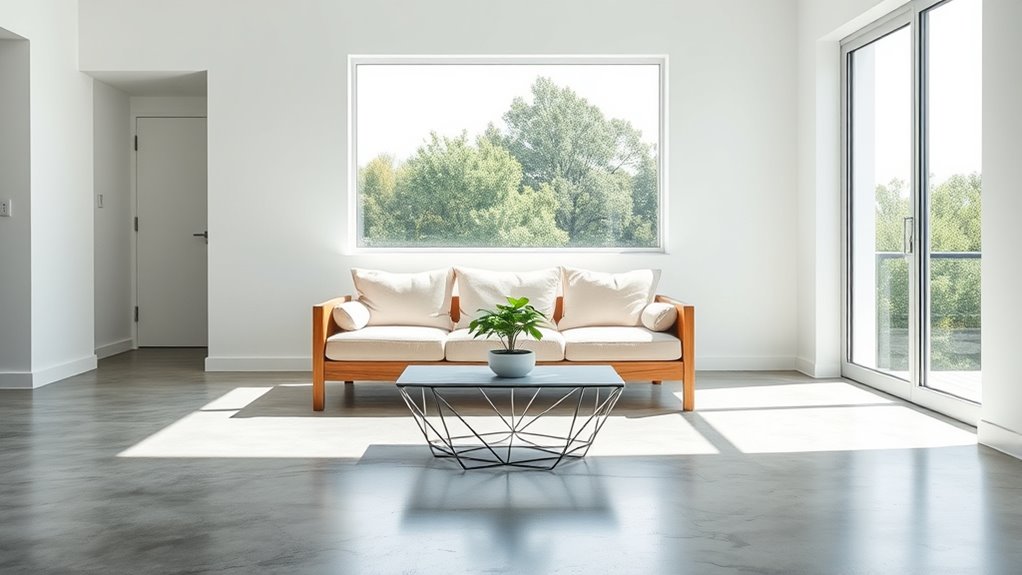
Minimalist interior design emphasizes simplicity and functionality, creating spaces that feel open, calm, and clutter-free. When you adopt this style, every element serves a purpose, and the overall look is clean and uncluttered. One of the fundamental aspects to consider is your color palette. Sticking to neutral tones such as whites, beiges, soft grays, and muted earth tones helps establish a serene backdrop. These colors not only make your space feel larger and more open but also provide a versatile foundation for accent pieces or subtle textures. Remember, bold or busy patterns tend to clash with minimalist principles, so choose hues that are calming and cohesive, allowing your space to breathe and feel balanced.
Choose neutral tones for a calm, spacious, and balanced minimalist interior.
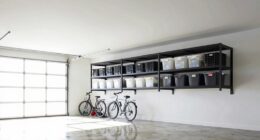
Your furniture selection plays a crucial role in achieving a minimalist aesthetic. Opt for pieces with clean lines, simple shapes, and minimal ornamentation. Functionality should be your guiding principle; select furniture that offers comfort without unnecessary frills. Multi-purpose furniture is a smart choice, especially if you’re working with limited space. For example, a sofa with hidden storage or a fold-away dining table helps keep clutter at bay while maintaining the sleek look you desire. When arranging furniture, prioritize open pathways and avoid overcrowding. This not only makes your space look more expansive but also makes it more practical to navigate. Additionally, space planning is essential to maintain the uncluttered appearance and ensure a balanced layout. Incorporating storage solutions that blend seamlessly with your decor can further enhance the minimalist vibe by hiding away excess items.
In terms of color palette, aim for a harmonious flow throughout your home. Use variations of your base colors to add depth, such as darker shades for accent walls or lighter tones for accessories. Keep your décor minimal—select a few statement pieces instead of cluttering your space with multiple decorative items. When choosing furniture, consider quality over quantity. Investing in well-crafted pieces ensures longevity and maintains the minimalist look over time. Remember, each item should add value to your space, whether through its design, function, or both. To further support this aesthetic, clutter reduction techniques can help maintain a clean and organized environment effortlessly.
Ultimately, your goal is to create a space that feels effortless and intentional. Keep your color palette simple and your furniture selection purposeful. When these elements work together in harmony, your home will embody the essence of minimalist design—calm, organized, and inviting. Less truly is more in this style, and by choosing wisely, you’ll craft a living environment that’s both beautiful and functional, encouraging a sense of peace and clarity every day. Incorporating structural changes can also enhance the overall minimalist aesthetic, but they should be approached carefully to preserve the simplicity. Additionally, paying attention to color temperature adjustments can help optimize the viewing conditions and overall ambiance of your space.

Acanva Luxury Modern Tight Curved Back Velvet Sofa, Minimalist Style Comfy Couch for Living Room Apartment, 3 Seater, Cream
Modern Style Sofa – This living room sofa will provide a fresh and inviting look to your space…
As an affiliate, we earn on qualifying purchases.
As an affiliate, we earn on qualifying purchases.
Frequently Asked Questions
How Can I Incorporate Color Into Minimalist Design?
You can incorporate color into minimalist design by using subtle color contrast to add depth and interest without overwhelming the space. Consider painting an accent wall in a bold hue or adding colorful accessories like cushions or art pieces that stand out against neutral backgrounds. This approach keeps your space feeling clean and simple while providing just enough visual interest to make it inviting and vibrant.
What Are Common Mistakes to Avoid in Minimalism?
Imagine you’re redesigning your living room, but clutter keeps sneaking in. To avoid common mistakes, focus on clutter reduction and thoughtful furniture selection. Don’t overstuff the space or choose oversized pieces that dominate the room. Instead, pick functional furniture with clean lines, and keep surfaces clear. This helps maintain a calm, balanced environment. Remember, simplicity is key—resist the urge to fill every corner, and your space will truly breathe.
How Does Minimalist Design Affect Small Spaces?
You’ll find that minimalist design enhances small spaces by optimizing every inch. Focus on space optimization through clever furniture selection—choose multi-functional pieces that serve multiple purposes. Keep clutter at bay and maintain clean lines to make the area feel more open and airy. This approach creates a calming environment, making your small space appear larger and more inviting without sacrificing style or comfort.
Can Minimalist Interiors Feel Warm and Inviting?
Yes, minimalist interiors can feel warm and inviting. You can achieve this by adding cozy textures like plush rugs or soft throws, which soften the space. Use inviting lighting, such as warm-toned bulbs or layered lamps, to create a welcoming atmosphere. Keep the design simple but intentional, focusing on comfort and ambiance, so your space feels both serene and inviting without clutter.
What Budget-Friendly Tips Exist for Minimalist Decorating?
Imagine a canvas waiting for your touch. To save money while decorating, try budget hacks like thrift shopping for sleek furniture or repurposing items. DIY décor adds personality without breaking the bank—paint old jars, craft wall art, or sew simple cushion covers. Focus on clean lines and open spaces, and you’ll achieve a stylish, inviting space that’s both affordable and uniquely yours.
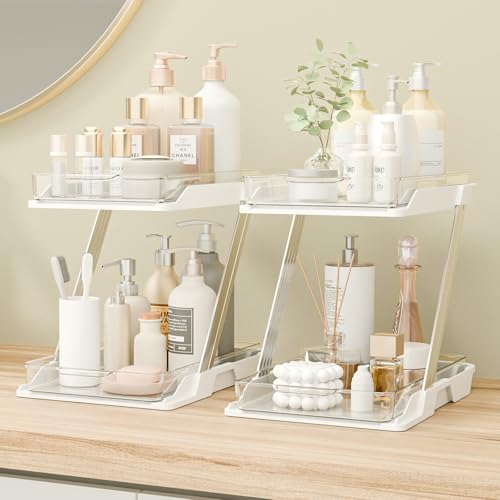
AUGBEAN 2 Pack Bathroom Organizers and Storage – Multi-Purpose,2-Tier Clear Pull Out Organization for Bathroom,Under Sink,Kitchen,Vanity,Countertop,Cabinet,Pantry & Medicine Cabinet,White
2 Pack Multi-Purpose Organizers and Storage Set: Perfect for bathroom, kitchen, laundry room, desk, or closet storage. Organize…
As an affiliate, we earn on qualifying purchases.
As an affiliate, we earn on qualifying purchases.
Conclusion
Embrace the elegance of simplicity by stripping away clutter and celebrating clean lines. Let minimalism motivate your move toward a more manageable, melodious living space. When you focus on functionality over frills, you’ll find freedom and fulfillment in your fresh, fearless foundation. Remember, less is truly more—creating calm, clarity, and a mesmerizing, cohesive haven. So, step into serenity, streamline your style, and savor the stunning, soothing simplicity of minimalist interior design.

Modern Glass Coffee Table, Coffee Table for Living Room,Tempered Glass-top with Sturdy Wooden Base, Modern Coffee Tables for Small Space, Apartment, Office, Minimalist Design (Walnut)
Safe & Stylish: Curved Smoked Glass Design with a Family-Friendly Touch The gently rounded edges and dark-tinted glass…
As an affiliate, we earn on qualifying purchases.
As an affiliate, we earn on qualifying purchases.

upsimples Floating Shelves for Wall, Wall Shelves for Decor Storage Set of 6, Wall Mounted Wood Shelf for Bedroom, Living Room, Bathroom, Kitchen, Picture Ledge Shelf, White
Centerpiece of Room Decoration – These shelves boast a distinctive design and an elegant shape, making them a…
As an affiliate, we earn on qualifying purchases.
As an affiliate, we earn on qualifying purchases.