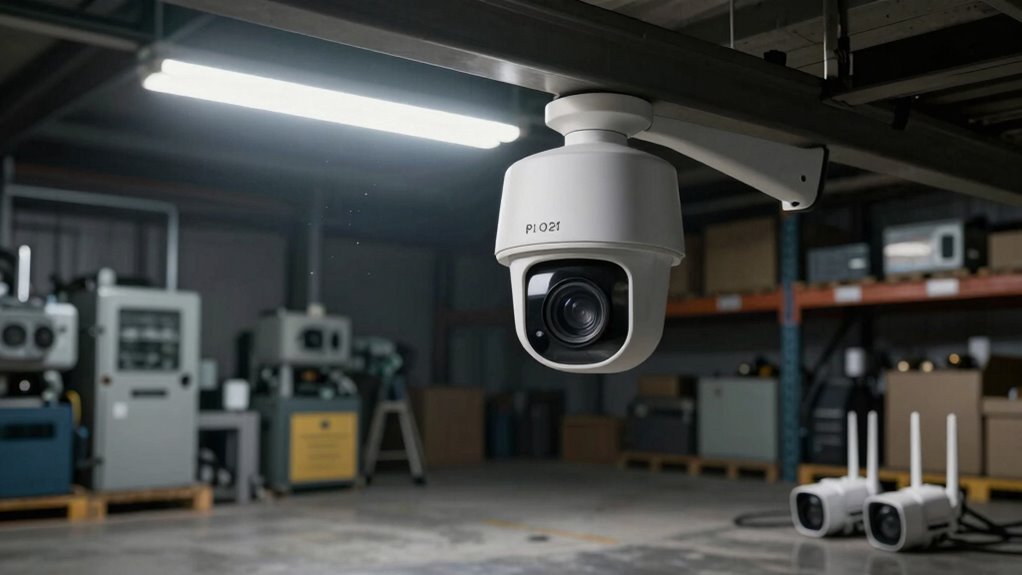

When you compare PoE camera systems to wireless options, you’ll find that PoE consistently wins in reliability, installation ease, and video quality. PoE connects directly via Ethernet, ensuring a stable data stream and avoiding signal drops. You won’t have to manage multiple power sources, simplifying your setup. Plus, PoE cameras typically deliver higher resolution footage, making identification easier. If you’re looking for a robust solution for security, you’ll want to explore the advantages further.
Key Takeaways
- PoE cameras ensure stable data streams, making them ideal for environments where consistent surveillance is crucial.
- Simplified installation with a single Ethernet cable reduces complexity and avoids Wi-Fi troubleshooting.
- Higher resolution and clearer images from PoE cameras enhance identification capabilities compared to wireless options.
- Direct power through Ethernet eliminates separate power sources, increasing reliability and reducing potential outages.
- Centralized remote management enhances system security and simplifies maintenance, making PoE systems easier to manage.

When choosing between PoE camera systems and wireless options, it’s vital to understand how each technology impacts your security setup. PoE, or Power over Ethernet, has distinct advantages that can make it the superior choice in various situations. One of the most significant benefits is network reliability. Unlike wireless systems that can suffer from interference and signal drops, PoE cameras connect directly to your network via Ethernet cables. This direct connection guarantees a stable and consistent data stream, which is essential for maintaining the integrity of your surveillance footage.
Understanding the differences between PoE and wireless cameras is crucial for ensuring a reliable and effective security setup.
Installation ease is another area where PoE systems shine. While wireless cameras may seem simpler at first glance, they often require additional setup to secure a strong signal throughout your property. You might find yourself troubleshooting Wi-Fi connections or dealing with dead zones. With PoE, you only need to run a single cable to each camera, which supplies both power and data. This streamlined installation process can save you time and reduce the complexity of your security setup. Additionally, network infrastructure plays a crucial role in ensuring reliable PoE camera performance. Proper network design and management are key to maximizing the benefits of PoE technology.
Video quality is a critical factor when evaluating your options. PoE cameras typically offer higher resolution and better image clarity compared to their wireless counterparts. Since they rely on a wired connection, you won’t experience the compression issues that can arise with wireless video streaming. If you need clear, detailed footage—especially for identifying faces or license plates—PoE is the way to go. The consistent bandwidth provided by Ethernet cables guarantees that you capture every detail without sacrificing quality.
Another consideration is the power supply. PoE systems eliminate the need for separate power sources for each camera. This not only simplifies installation but also enhances reliability. If a power outlet fails or a battery dies in a wireless system, your security coverage may be compromised. With PoE, cameras receive power directly through the Ethernet cable, making them less susceptible to power-related issues. Additionally, network stability is crucial for maintaining seamless surveillance, especially in high-security environments. Furthermore, PoE systems often incorporate remote management capabilities, allowing you to monitor and control your cameras from anywhere, which adds an extra layer of convenience and security. Also, the ability to centrally manage your network devices ensures better system security and easier updates. Employing proper cabling and network configurations further enhances overall system performance.
As an affiliate, we earn on qualifying purchases.
Frequently Asked Questions
What Is the Installation Process for Poe Camera Systems?
To install PoE camera systems, start by determining your camera placement based on coverage needs. Run Ethernet cables from your cameras to a PoE switch or injector, ensuring you maintain proper lengths. Once connected, configure your network settings for the cameras through your router. Finally, test the system to verify camera functionality and make adjustments as needed. With everything set, you can monitor your security setup effectively.
How Do Poe Cameras Handle Power Outages?
PoE cameras handle power outages effectively by integrating with power backup solutions like uninterruptible power supplies (UPS). When an outage occurs, these systems maintain surveillance continuity, ensuring your cameras keep recording. With this outage resilience, you won’t miss vital moments even during power interruptions. By investing in a reliable power backup, you enhance your security setup, making sure your PoE cameras function seamlessly, regardless of external power issues.
Are Poe Cameras More Cost-Effective in the Long Run?
Absolutely, PoE cameras can be more cost-effective in the long run. Imagine investing in a system that not only reduces installation costs but also minimizes ongoing maintenance. With cost savings on wiring and energy efficiency, you’re making a smart long-term investment. While wireless options might seem cheaper upfront, they often lead to hidden expenses like battery replacements and signal issues. In the end, you’ll find that PoE cameras pay off considerably over time.
Can Poe Cameras Be Used Outdoors?
Yes, PoE cameras can be used outdoors. They often come with features that guarantee outdoor durability and weather resistance, making them suitable for various environmental conditions. You’ll find models designed to withstand rain, snow, and extreme temperatures, so you won’t have to worry about them failing in tough weather. Just make certain to choose a camera specifically rated for outdoor use to maximize its lifespan and performance in your outdoor security setup.
What Types of Cables Are Required for Poe Systems?
For your PoE system, you’ll primarily use Ethernet cables, specifically Cat5e or Cat6. These cable types support both power and data transmission effectively. For instance, if you’re installing cameras around a large warehouse, using Cat6 can guarantee a stronger connection over longer distances. When installing, keep your cable runs under 100 meters to maintain signal quality. Also, consider using outdoor-rated cables if your setup’s exposed to the elements for durability.
Conclusion
In the grand debate of PoE camera systems versus wireless options, it’s clear that when reliability and quality take center stage, you’ll find PoE shines like a star. It gracefully sidesteps the hiccups of interference, delivering crystal-clear footage without a fuss. So, when you’re looking for a dependable solution that keeps your peace of mind intact, embracing the wired route might just be the charming choice you didn’t know you needed. Enjoy the clarity!