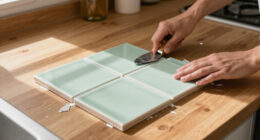

For a small kitchen island or custom work surface, I’d start with the CONSDAN hard maple slab: it arrives oiled, has smooth edges, and can serve as a cutting surface. The Bme Hevea countertop is my pick for a large island because its 72-by-39-inch format offers far more coverage than the compact slabs. If you want a standard small worktop and prefer a light, even grain, the Cidase birch block is a practical place to start.

Get furniture and decor delivered free with Prime
- Fast, free delivery on millions of items
- Prime Video, Amazon Music and more included
- Member-only deals all year
These are all solid-wood butcher-block-style options, not stone, laminate, or ready-to-install cabinet packages. The main choice is between a pre-oiled maple surface that needs less initial finishing and unfinished slabs that give you more control but demand preparation and ongoing care. Size, weight, and installation details matter just as much: the larger Hevea slab is harder to handle, while the smaller birch and acacia pieces may not cover a full island without seams or added material.
Complete the kit


Key Takeaways
- The CONSDAN hard maple is the only listed countertop supplied with a food-grade oil finish and described as ready for cutting-surface use.
- Bme’s 72-by-39-inch Hevea slab gives the broadest stated work area, but its 98-pound weight calls for help with handling and installation.
- Cidase birch and the 36-by-25-inch acacia slab share a compact footprint; choose birch for an even, light grain or acacia for more distinctive grain and stated load capacity.
- The four unfinished options need buyer-applied protection; Cidase specifically calls for sealing within 48 hours of removing its shrink wrap.
- The second birch option is listed as both 4 feet long and 50 inches long, so I would verify the actual dimensions before planning a cutout or cabinet fit.
| CONSDAN Solid Hard Maple Butcher Block Countertop, 42 x 25 x 1.5 Inches |  | Best Overall — the most kitchen-ready slab in this lineup | Material: Solid hard maple | Dimensions: 42 x 25 x 1.5 inches | Weight: 43 pounds | VIEW LATEST PRICE | See Our Full Breakdown |
| Bme Hevea Solid Wood Butcher Block Countertop, Unfinished, 72 x 39 x 1.5 Inches |  | Best for Large Islands — the broadest surface here | Material: Solid Hevea wood | Dimensions: 72 x 39 x 1.5 inches | Weight: 98 pounds | VIEW LATEST PRICE | See Our Full Breakdown |
| 36 x 25 x 1.5-Inch Unfinished Acacia Solid Wood Butcher Block Countertop |  | Best for Distinctive Grain — a customizable compact slab | Material: Solid acacia wood | Dimensions: 36 x 25 x 1.5 inches | Finish: Unfinished, pre-sanded | VIEW LATEST PRICE | See Our Full Breakdown |
| Unfinished Solid Birch Butcher Block Countertop, 36 x 25 x 1.5 Inches | 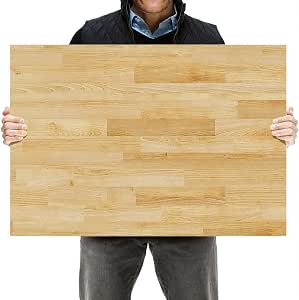 | Best for a Light, Even Grain — with a clear maintenance schedule | Material: 100% birch wood | Dimensions: 36 x 25 x 1.5 inches | Weight: 30 pounds | VIEW LATEST PRICE | See Our Full Breakdown |
| Unfinished Birch Butcher Block Countertop, 4 ft × 25.1 in |  | Best for a Longer Birch Worktop — verify the listed length first | Material: Solid birch wood | Listed length: 4 feet in the title; 50 inches in the specifications | Width: 25.1 inches | VIEW LATEST PRICE | See Our Full Breakdown |
| kitchen countertop | Material | Finish | Dimensions | Weight |
|---|---|---|---|---|
| CONSDAN Solid Hard Maple Butch | Solid hard maple | Natural food-grade oil | 42 x 25 x 1.5 inches | 43 pounds |
| Bme Hevea Solid Wood Butcher B | Solid Hevea wood | Unfinished, pre-sanded | 72 x 39 x 1.5 inches | 98 pounds |
| 36 x 25 x 1.5-Inch Unfinished | Solid acacia wood | Unfinished, pre-sanded | 36 x 25 x 1.5 inches | — |
| Unfinished Solid Birch Butcher | 100% birch wood | Unfinished | 36 x 25 x 1.5 inches | 30 pounds |
| Unfinished Birch Butcher Block | Solid birch wood | Unfinished, smooth-sanded | — | 45.9 pounds |
More Details on Our Top Picks
CONSDAN Solid Hard Maple Butcher Block Countertop, 42 x 25 x 1.5 Inches
The CONSDAN earns the top spot because it removes one major step that every other option leaves to the buyer: it arrives with natural food-grade oil and is explicitly described as usable as a cutting surface. Its 42-by-25-inch footprint is still a modest, project-friendly size, but it is longer than the 36-by-25-inch Cidase and acacia slabs. That gives it a little more room without demanding the footprint or handling effort of Bme’s oversized Hevea top.
Hard maple, smooth surfaces, and smooth edges make this the clearest choice for someone who wants a finished-looking worktop rather than a blank to sand and customize. By comparison, the unfinished birch and acacia options allow more control over color and coating, but add finishing work before kitchen use. The maple slab is not pre-drilled, which suits a custom layout but means cutouts and attachment planning remain the buyer’s job. It is also listed for hand washing only, so it should not be treated like a removable, dishwasher-safe board.
I would choose it for a compact counter section, prep area, or custom installation where a food-contact finish is useful. Its dimensions do not make it a full-size island top, and the supplied details do not specify a resealing schedule or how it handles standing water. Buyers seeking a broad uninterrupted island should compare it with the Bme slab, while people who want a particular stain or lacquer may prefer to start with an unfinished piece instead.
Pros:- Solid hard maple is sourced from the USA.
- Natural food-grade oil finish means it is described as usable as a cutting surface.
- Smooth surfaces and edges need no sanding.
- Undrilled format supports custom kitchen, laundry, RV, and workspace layouts.
Cons:- The slab is not pre-drilled, so installation and cutouts require planning.
- Hand-wash-only care is less convenient than a low-maintenance countertop surface.
- At 42 by 25 inches, it is smaller than the Bme island-size slab.
Best for: A buyer who wants a manageable, pre-oiled maple surface for a compact kitchen project or cutting area and can plan custom drilling or cutouts.
Not ideal for: Anyone needing a large island top, a pre-drilled installation, dishwasher-safe care, or a blank slab for a custom-colored finish.
- Material:Solid hard maple
- Dimensions:42 x 25 x 1.5 inches
- Weight:43 pounds
- Finish:Natural food-grade oil
- Surface use:Described as suitable for use as a cutting surface
- Edges and surfaces:Smooth; no sanding needed
- Installation:Not pre-drilled
- Care:Hand wash only
Our verdict“I’d choose the CONSDAN for the clearest mix of kitchen-ready finish, useful compact size, and custom-fit flexibility.”
Bme Hevea Solid Wood Butcher Block Countertop, Unfinished, 72 x 39 x 1.5 Inches
If countertop area is the main requirement, the Bme Hevea stands apart: its 72-by-39-inch surface is far larger than any other slab in this group. That makes it the natural candidate for a generous island, dining surface, or workbench, where the smaller 36-by-25-inch Cidase and acacia tops would leave a lot of support area uncovered. The natural grain and pre-sanded surfaces and edges also give the buyer a clean starting point for stain or finish.
The size is both its advantage and its practical drawback. At 98 pounds, it is heavier than the 43-pound CONSDAN maple and the listed birch slabs, and handling it alone may be difficult. Measure the route into the room as well as the cabinet base, and plan for assistance during fitting. The supplied information does not list cutouts, pre-drilled holes, or a protective finish, so this should be treated as a substantial unfinished blank rather than a ready-to-use kitchen counter.
Compared with the CONSDAN, the Bme offers much more continuous work area but requires the buyer to choose and apply a finish. That distinction matters in a kitchen, where an unfinished surface needs protection before normal use. The four-layer protective packaging is a useful shipping detail, but it does not remove the need to inspect the slab and finish it appropriately after delivery. I’d choose this for a custom island when the dimensions fit; I’d skip it for a small renovation or a solo installation.
Pros:- The 72-by-39-inch format offers the largest stated surface area in this roundup.
- Solid Hevea wood has natural grain.
- Surfaces and edges are pre-sanded before finishing.
- Can be stained or finished for an island, dining table, or workbench.
Cons:- At 98 pounds, handling alone may be difficult.
- Unfinished wood needs a buyer-selected finish before kitchen use.
- The large dimensions may not suit smaller cabinets or rooms.
Best for: A buyer building a large kitchen island, dining surface, or workbench who has help available for handling and is comfortable applying a finish.
Not ideal for: Someone working alone, fitting a compact counter run, or looking for an already finished surface with minimal preparation.
- Material:Solid Hevea wood
- Dimensions:72 x 39 x 1.5 inches
- Weight:98 pounds
- Finish:Unfinished, pre-sanded
- Surfaces and edges:Pre-sanded
- Packaging:Four-layer protective packaging
- Suggested uses:Kitchen island, dining table, workbench, and other surfaces
- Manufacturer:Yes4All
Our verdict“For a roomy custom island, I’d take the Bme over the smaller slabs, provided its weight and finishing work fit the project.”
36 x 25 x 1.5-Inch Unfinished Acacia Solid Wood Butcher Block Countertop
This acacia slab is a strong choice when a buyer wants a compact work surface with a more pronounced natural-wood look. The product description highlights distinctive acacia grain, while the Cidase birch is presented as having a light golden tone and even grain. Their 36-by-25-by-1.5-inch measurements are the same, so the decision between them is less about footprint and more about appearance, finish plans, and the additional load-capacity information supplied for acacia.
The acacia is pre-sanded but unfinished, leaving room for a chosen stain, oil, lacquer, or coating. That flexibility is useful for a coordinated island or desk, but it also means the slab is not ready for kitchen exposure straight out of the package. Its stated 300-pound load capacity gives a project planner a helpful reference for supported use; it should not be read as a substitute for suitable cabinet support or a claim about impact resistance. The listing also mentions indoor and outdoor projects, though buyers should choose a finish suited to the intended environment.
Compared with the pre-oiled CONSDAN maple, acacia asks for more preparation and does not arrive described as ready to use as a cutting surface. Compared with the Cidase birch, it offers a more distinctive grain and an explicit load figure, but Cidase gives a more specific maintenance instruction after sealing. This is a good fit for a small island or work desk where custom appearance matters. I would skip it if the project needs a finished top immediately or if the goal is a large, single-piece island surface.
Pros:- Solid acacia construction has distinctive grain.
- Pre-sanded unfinished surface can take stain, oil, or lacquer.
- The listing states a maximum load capacity of 300 pounds.
- Suitable for countertop, island, dining-table, and desk projects.
Cons:- Needs additional treatment before use as a kitchen surface.
- The care information recommends sanding, adding a preparation step.
- Its compact footprint is not suited to a broad island without additional pieces.
Best for: A DIY buyer who wants a compact solid-wood top with distinctive grain, a pre-sanded starting surface, and freedom to select a coating.
Not ideal for: Anyone who needs a finished, food-contact-ready top immediately or needs a slab wider and longer than 36 by 25 inches.
- Material:Solid acacia wood
- Dimensions:36 x 25 x 1.5 inches
- Finish:Unfinished, pre-sanded
- Edge:Square
- Shape:Rectangular
- Maximum load capacity:300 pounds
- Recommended care:Sanding
- Suggested uses:Countertop, island, dining table, or work desk
Our verdict“I’d pick this acacia block over the same-size birch when grain character and a stated load figure matter more than an already applied finish.”
Unfinished Solid Birch Butcher Block Countertop, 36 x 25 x 1.5 Inches
The Cidase birch is a straightforward option for a small counter section, island insert, desk, or workbench. Its light golden tone and even grain make it the more restrained-looking choice beside the acacia slab, whose listing emphasizes distinctive grain. The two blocks share the same 36-by-25-by-1.5-inch dimensions, so they occupy the same kind of project slot; Cidase stands out for describing both its appearance and a specific care interval.
Because it is unfinished, the buyer can choose a stain, oil, or sealant rather than accept a preset look. That flexibility comes with a time-sensitive instruction: the surface should be sealed within 48 hours of removing the shrink wrap, then oil or sealant should be reapplied every two to three months. Those directions are unusually concrete compared with the other unfinished slabs, but they also make clear that this is a maintenance commitment, not a fit-and-forget counter.
The Cidase is lighter at 30 pounds than the 43-pound CONSDAN maple and far easier to handle than the 98-pound Bme Hevea. Yet it does not share the maple’s supplied food-grade oil finish or cutting-surface description, and it offers less area than the Hevea. I’d choose it when a small, light-grained piece is the right fit and the buyer is prepared to finish and maintain it. If minimizing early upkeep is the priority, the CONSDAN is the more convenient kitchen choice.
Pros:- Solid birch has a light golden tone and even grain.
- Flat surface can be cut to fit custom projects.
- Can be finished with a chosen color or sealant.
- Listed 30-pound weight is lower than the larger Hevea and maple slabs.
Cons:- Must be finished or sealed within 48 hours of unwrapping.
- Oil or sealant needs reapplication every two to three months.
- The 36-by-25-inch size provides limited coverage for a full island.
Best for: A DIY renovator who needs a compact, relatively light birch slab, prefers an even grain, and is willing to seal and maintain the surface.
Not ideal for: Someone seeking a ready-to-use food-prep surface, a large island top, or a countertop without regular finish upkeep.
- Material:100% birch wood
- Dimensions:36 x 25 x 1.5 inches
- Weight:30 pounds
- Finish:Unfinished
- Shape:Rectangular
- Care:Finish or seal within 48 hours of removing shrink wrap; reapply oil or sealant every 2–3 months
- Brand:Cidase
- Model:AG-PZ-AH
Our verdict“I’d choose the Cidase for a compact custom project where light birch looks right and recurring finish care is acceptable.”
Unfinished Birch Butcher Block Countertop, 4 ft × 25.1 in
This second birch option is aimed at a buyer who wants more length than the 36-inch Cidase block while keeping a familiar 1.5-inch solid-birch profile. Its smooth-sanded, unfinished surface can take oil, stain, sealant, paint, or epoxy, giving a broad range of finish choices. The stated 25.1-inch width is close to the other compact slabs, so its main appeal is the longer format for a desk, laundry top, workbench, or custom kitchen run.
There is a measurement issue to resolve before buying: the title calls it 4 feet long, but the specifications give dimensions of 50 by 25.1 by 1.5 inches. Four feet is 48 inches, not 50. I would confirm the delivered measurement with the seller or product packaging before ordering around cabinet ends, walls, or a sink cutout. The slab is also listed at 45.9 pounds, making it heavier than Cidase’s 30-pound piece despite a similar width.
Unlike the CONSDAN, this birch slab comes unfinished and is not described as ready for cutting-surface use. Its protective film should remain in place until sealing to help limit moisture absorption, so the finishing plan needs to be ready before that film is removed. Compared with Cidase, it may cover a longer counter section, but it does not come with the same explicit 48-hour sealing deadline or two-to-three-month reapplication schedule in the supplied details. This is a flexible DIY blank, not the most convenient pick for someone who wants to install and use a top right away.
Pros:- Solid birch slab has a tight grain and natural patterning.
- Smooth-sanded surface can accept oil, stain, sealant, paint, or epoxy.
- Longer format than the 36-inch Cidase and acacia slabs, subject to measurement confirmation.
- Can serve kitchen islands, desks, laundry tops, and workbenches.
Cons:- The title says 4 feet while the specifications list a 50-inch length.
- Unfinished surface needs protection; the film should stay on until sealing.
- Listed weight of 45.9 pounds may require help with positioning.
Best for: A DIY buyer seeking a longer, smooth-sanded birch surface for a custom worktop and willing to confirm dimensions and apply a finish.
Not ideal for: Anyone who needs exact dimensions for a tight installation before verification, or wants a finished counter with little preparation.
- Material:Solid birch wood
- Listed length:4 feet in the title; 50 inches in the specifications
- Width:25.1 inches
- Thickness:1.5 inches
- Weight:45.9 pounds
- Finish:Unfinished, smooth-sanded
- Shape:Oval
- Warranty:12 months
Our verdict“I’d consider this birch slab for a longer custom worktop only after confirming whether its actual length is 48 or 50 inches.”

How We Picked
I ranked these five options by how well their stated features answer real countertop decisions: how much usable surface they provide, what finish work they demand, and how clearly they fit a kitchen project. All five are solid-wood slabs, but that shared material does not make them interchangeable. A smaller blank for a desk or compact island has a different job from a large island top, and a pre-oiled cutting surface calls for different preparation from an unfinished slab.
I gave weight to dimensions and handling, since a countertop must fit its support and be manageable during installation. I also compared wood species and finish information: maple is supplied with natural food-grade oil, while birch, acacia, and Hevea are described as unfinished. Maintenance details matter because unfinished wood is not ready for routine kitchen exposure until it has a suitable finish. Where product data is incomplete or conflicting, I avoid treating an unclear claim as a guaranteed benefit.
The order favors the option with the clearest balance of kitchen readiness and custom-project flexibility, followed by the largest surface and then more specialized choices. It is not a ranking of stone durability or installation convenience; each pick is a wood countertop blank or slab, so buyers should plan for fitting, sealing, and care. I also considered whether the available details support a confident choice. For example, the 4-foot birch listing gives a 50-inch length elsewhere in its specifications, so I flag that measurement discrepancy rather than assuming the fit.
I did not infer scratch resistance, heat tolerance, waterproofing, or installation hardware when the supplied details do not state them. A protective finish can help suit wood to kitchen use, but the finish type and care schedule still matter. My recommendations focus on the stated materials, measurements, finishes, uses, and drawbacks—not on claims that are absent from the product information.
| kitchen countertop | Finish | Shape |
|---|---|---|
| CONSDAN Solid Hard Maple Butch | Natural food-grade oil | — |
| Bme Hevea Solid Wood Butcher B | Unfinished, pre-sanded | — |
| 36 x 25 x 1.5-Inch Unfinished | Unfinished, pre-sanded | Rectangular |
| Unfinished Solid Birch Butcher | Unfinished | Rectangular |
| Unfinished Birch Butcher Block | Unfinished, smooth-sanded | Oval |
Factors to Consider When Choosing Best Kitchen Countertops
Before choosing among these slabs, I would treat the project as a combination of fit, finish, and care rather than a wood-species decision alone. Each option is solid wood, but the right one depends on whether the piece is a small worktop or large island, how much finishing work you can take on, and how the surface will be used.Start with the footprint and support
Measure the cabinet or frame, including overhang, wall clearance, sink and cooktop cutouts, and the path the slab must travel during installation. The Bme Hevea measures 72 by 39 inches, while the CONSDAN is 42 by 25 inches and both the Cidase and acacia are 36 by 25 inches. Those are very different project scales. A larger slab can reduce the need to join pieces, but only if the base supports it and the room can accommodate it.
Pay attention to thickness and weight as well as length and width. All five are listed at 1.5 inches thick, but their weights range from 30 pounds for Cidase to 98 pounds for Bme. Plan help for a heavy slab and confirm how it will be secured. The 4-foot birch listing gives conflicting length information—48 inches in the title and 50 inches in the specs—so I would not make a tight cutout plan until that discrepancy is cleared up.
Decide how much finishing work you want
Four of the five products arrive unfinished. That means the buyer has to choose a finish appropriate to the intended use and follow its application and curing directions before regular kitchen contact. The CONSDAN is the exception: it arrives with natural food-grade oil and is described as suitable for use as a cutting surface. That makes it the clearest pick for someone who wants less initial preparation, though it still has care limits and is hand-wash only.
Unfinished does offer design control. Acacia can be treated with a coating, stain, oil, or lacquer; the birch slabs can also be finished to suit a custom look, and Bme can be stained or finished. Cidase gives the most specific timing instructions: seal within 48 hours of removing the wrap, with oil or sealant renewed every two to three months. Do not assume every finish has the same food-contact suitability or maintenance schedule. Select a product intended for the surface’s actual use and follow its label.
Match wood appearance to the room
The listed woods offer different visual starting points. Cidase describes a light golden tone and even birch grain; the other birch slab notes a tight grain and mineral streaks that make each piece distinct. Acacia is positioned around its more pronounced, distinctive grain. Hevea has natural grain, while the CONSDAN’s hard maple comes with a natural oil finish. These descriptions help narrow the style, but natural wood varies, so do not expect every slab to look identical to a sample or listing image.
If you plan to stain or paint, an unfinished slab leaves room for a custom color. That freedom adds work and can change the wood’s appearance; a clear oil or sealant will not look the same as a colored stain. If the top needs to coordinate with existing cabinets, decide on the finish before buying and check whether the chosen product is suitable for kitchen surfaces and food contact where needed.
Think through care and kitchen use
Wood countertops need a different care mindset from nonporous stone or laminate. Among these listings, Cidase explicitly calls for periodic oil or sealant renewal, and CONSDAN specifies hand washing. The other options do not provide a complete maintenance calendar in the supplied details, so I would check the chosen finish’s instructions rather than assume the top is waterproof or maintenance-free.
Also distinguish a cutting-surface claim from a general countertop claim. CONSDAN is the only product specifically described as usable as a cutting surface because it has food-grade oil. That does not mean every unfinished slab is ready for direct food preparation. For any option, use the finish maker’s directions, clean spills promptly, and avoid exposing the slab to conditions the product or finish does not support.
Account for fitting and installation
These slabs are not presented as complete countertop installation kits. CONSDAN is specifically not pre-drilled, and the other product details do not establish that cutouts, hardware, or installation services are included. Confirm what the project requires before ordering: cabinet support, fastening method, wall scribing, sink or faucet openings, and any edge work. A solid slab may be cut to fit, but cutting and finishing exposed edges are additional tasks.
Weight affects this step. The 98-pound Bme is a different handling job from Cidase at 30 pounds, while the long birch and maple pieces fall between them. If you do not have the tools or help for moving and fitting a slab, include professional fabrication in the plan. A good material choice can still be a poor project fit if installation needs are overlooked.
Choose by project priority, not a single spec
For the most kitchen-ready choice, I would start with CONSDAN maple because of its supplied food-grade oil and cutting-surface description. For a large island, Bme provides the broadest top, if you can manage its size, weight, and finishing. The compact acacia is a better match for distinctive grain and a customizable finish, while Cidase is the light-grain option with the clearest care schedule. The longer birch listing may suit a custom worktop, but only after its length is verified.
None is a universal winner. Choose based on the dimensions your cabinets need, the preparation you can complete, and the maintenance you are willing to follow. If you want a countertop that needs no sealing, has a stated resistance profile, or arrives as a fully fabricated installation, these wood slabs may not match the job; compare materials and fabrication options before committing.
Frequently Asked Questions
Which countertop in this roundup is most ready for kitchen use?
The CONSDAN hard maple is the clearest kitchen-ready option in the listed group because it arrives finished with natural food-grade oil and is described as suitable for use as a cutting surface. It still requires hand washing, and it is not pre-drilled, so finished does not mean fully installed. The other four slabs are unfinished and need a suitable finish before ordinary kitchen use.
Which option is best for a large kitchen island?
The Bme Hevea slab is the largest option here at 72 by 39 inches, making it the strongest fit for a broad island surface. Its 98-pound weight and unfinished state add handling and preparation work, so I would confirm cabinet support and arrange help before delivery. The smaller maple, birch, and acacia slabs are more suited to compact counters or separate work surfaces.
Do these butcher block countertops need sealing?
Four products are explicitly unfinished: the Bme Hevea, acacia, Cidase birch, and longer birch slab. They need a suitable finish chosen and applied by the buyer before normal kitchen exposure. Cidase gives a specific instruction to seal within 48 hours after removing its wrap and renew oil or sealant every two to three months; follow the selected finish’s directions for the other products rather than applying that schedule to them.
Can I use every slab as a cutting board?
No product details support that claim for all five. The CONSDAN is the only one specifically described as finished with food-grade oil and usable as a cutting surface. The unfinished slabs are not described as ready for direct food preparation, so buyers should select a finish intended for that use and follow its instructions. A countertop’s general suitability does not automatically make it a cutting board.
What should I check before ordering the longer birch countertop?
Check its actual length before planning a precise fit. The title says 4 feet, which is 48 inches, while the specifications list a 50-inch length. That two-inch difference can matter near walls, cabinet ends, and cutouts. I would confirm the measurement with the seller before ordering, and keep the protective film in place until the slab is ready to be sealed.
Conclusion
For a buyer who wants the simplest route to a usable wood prep surface, I recommend the CONSDAN hard maple: it is pre-oiled, smooth, and specifically described as suitable for cutting, though it remains hand-wash only and needs custom installation work. For a large island, choose the Bme Hevea if its 72-by-39-inch size fits and you can arrange help with its 98-pound weight and apply a finish.
If your project is compact, pick between the Cidase birch for a light, even grain and clearly stated upkeep, and the acacia block for distinctive grain and a listed 300-pound load capacity. For a longer birch worktop, the fourth option offers finish flexibility, but verify its conflicting 48- versus 50-inch length before purchase. I would base the final choice on fit and care demands first, then choose the wood appearance that suits the room.