
TL;DR

Get furniture and decor delivered free — and shop member deals
- Fast, free delivery on millions of items
- Access to Prime Big Deal Days deals on October 6–7
- Prime Video, Amazon Music and more included
An Ideal Home gardening report recommends deadheading cosmos, zinnias, dahlias, repeat-flowering roses and calendula in October to encourage further blooms. The effect depends on the plants still actively flowering and on weather; frost ends the prospect of more blooms for tender annuals.
An Ideal Home gardening report recommends removing spent flowers from cosmos, zinnias, dahlias, repeat-flowering roses and calendula in October to encourage further blooms before frost. The advice applies while plants are still actively flowering; it does not mean deadheading will make every plant bloom again or overcome a spell of cold weather.
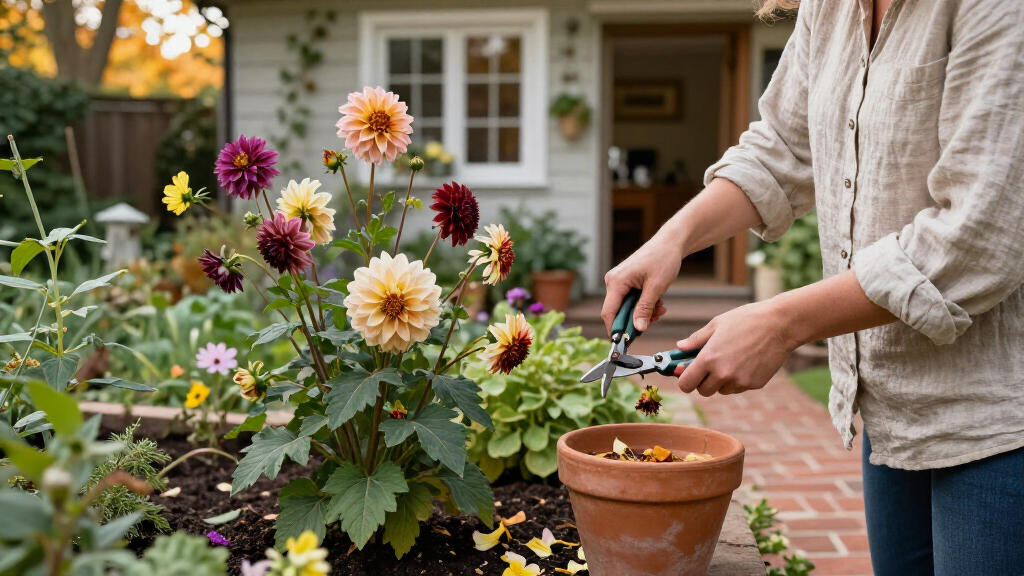
Deadheading means cutting or pinching off flowers that have faded. The report says this can direct a plant’s energy away from seed production and toward further flowering, particularly for plants that bloom repeatedly. Cosmos and zinnias are described as cut-and-come-again flowers, while dahlias and repeat-flowering roses can also benefit when they still have active blooms. The results depend on conditions, including whether temperatures remain mild.
For cosmos, Jane Westoby, creative director at The Hampshire Seed Company, says removing fading flowers or picking blooms for a vase can encourage more flowers, provided the weather stays mild. She gives similar advice for zinnias, explaining that a plant left with spent flowers puts energy into making seed. The report recommends cutting off faded blooms as they appear rather than waiting until all flowers have finished.
Dahlias can be deadheaded while they are still actively flowering, according to Ross Dyke, consultant horticulturist at Hornby George and host of the Plant Pod. Westoby also recommends deadheading repeat-flowering roses to encourage another flush. Calendula can be deadheaded as its petals begin to fade and curl; the report notes that removing its flowers may also limit self-seeding. Westoby cautions that once frost has finished off tender annuals, deadheading will not bring them back into flower.
Keep Autumn Flowers Coming
For gardeners with plants still in bloom, October deadheading is a low-effort way to extend the display before colder weather arrives. Removing faded heads can also keep borders looking tidier and, for calendula, reduce the number of seeds left to spread. That may matter to gardeners who want to manage where the plant appears next season.
The advice is seasonal rather than a guarantee of extra flowers. It is most relevant to plants that are still healthy and actively blooming, and the report repeatedly qualifies the prospect by weather. In practice, a mild autumn may leave time for another flush, while frost can end flowering, especially for tender annuals. Gardeners should treat the guidance as a way to support potential blooms, not a promise that every cut will produce a new flower.
As an affiliate, we earn on qualifying purchases.
Why October Deadheading Helps
Deadheading is the removal of faded flowers, rather than a general pruning of the plant. The report’s central explanation is that plants with spent blooms may put energy into producing seed; removing those flowers can encourage continued flowering in plants that naturally bloom more than once. This is why the list focuses on repeat bloomers and cut-and-come-again flowers, rather than suggesting the same approach for every plant in an autumn garden.
The timing matters because October can still bring flowers, but the remaining season is limited by falling temperatures and frost. The report advises gardeners to act when flowers fade and, for calendula, when petals begin to curl. It also says gardeners can remove flowers by hand or use small pruning snips or sharp bypass secateurs. Its practical advice includes cleaning tools between plants; it does not provide detailed instructions for cutting each plant’s stems.
“They’re cut-and-come-again flowers: the more you pick for the vase or remove fading blooms, the more they’ll keep flowering, provided the weather stays mild.”
— Jane Westoby, creative director at The Hampshire Seed Company
Frost Sets the Flowering Limit
The report does not specify a single date when gardeners should stop deadheading, because that depends on local weather and whether a plant is still flowering. It offers no forecast for when frost will arrive, and it does not promise that each plant will produce another flush after spent blooms are removed. The expected number of additional flowers, and how long displays will last, are also not quantified. Its clearest limitation is that frost can end flowering, particularly for tender annuals such as cosmos, zinnias and calendula.
Check Plants as Weather Cools
Gardeners can check the five listed plants through October and remove blooms as they fade, while watching for changes in temperature and frost forecasts. Use clean, sharp snips or secateurs, as the report recommends, and avoid assuming that deadheading will restore a plant that has already been stopped by frost. Any further flowering will depend on each plant’s condition and the weather in the weeks ahead.
Key Questions
Which plants does the report recommend deadheading in October?
It lists cosmos, zinnias, dahlias, repeat-flowering roses and calendula. The guidance is for plants that are still flowering or have fading blooms.
Does deadheading guarantee more flowers?
No. The report says removing spent flowers may encourage more blooms, but the result depends on the plant still being active and on conditions such as mild weather. Frost can end flowering.
When should calendula be deadheaded?
The report recommends removing calendula flowers when their petals begin to fade and curl. It says deadheading can also help prevent the self-seeding plant from spreading.
What tools should gardeners use?
Flowers can be removed by hand or with garden snips or bypass secateurs. The report advises gardeners to clean tools between plants.
Source: rss
Evergreen bestsellers Picks
bestsellers
As an affiliate, we earn on qualifying purchases.